
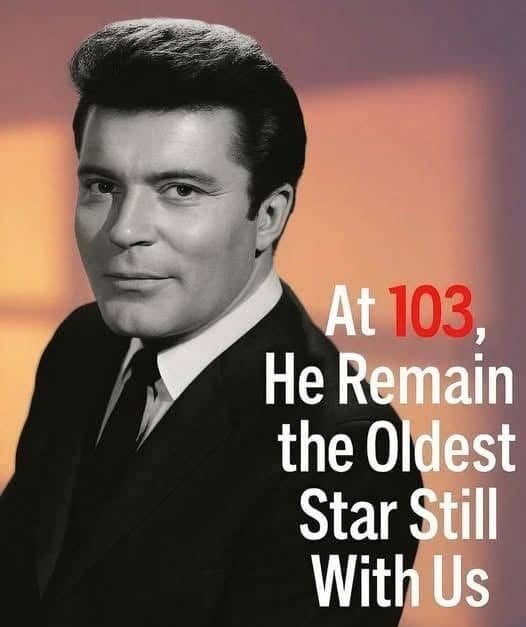
Eva Marie Saint stands as a symbol of classic Hollywood craftsmanship. An Academy Award winner who worked alongside some of cinema’s most legendary names, her performances are still studied for their restraint, intelligence, and emotional depth. Her career reflects a time when subtlety carried weight and actors trusted audiences to listen closely.
Then there’s Dick Van Dyke, whose name alone spans generations. Decades after his most iconic roles, his energy, humor, and joy remain unmistakable. Few performers have managed to stay so relevant for so long without losing the essence of what made them beloved in the first place.
Beyond household names, there are artists whose contributions are just as vital. Elizabeth Waldo devoted her life to preserving and honoring indigenous music, blending cultural history with composition in ways that extended far beyond mainstream fame. Karen Marsh Doll, part of Hollywood’s earliest film era, holds firsthand memories of productions that shaped cinema itself—living testimony to how the industry began.
Many icons in their 80s and 90s continue to create, speak, and influence. Mel Brooks remains a defining force in comedy, his sharp wit shaping generations of humor long after his most famous films premiered. His fearless approach to satire opened doors that modern comedy still walks through.
William Shatner continues to redefine what aging looks like in the public eye, refusing to slow down or fade quietly. Barbara Eden still carries the grace and charm that made her a symbol of classic television. Clint Eastwood, well into his later years, continues directing with clarity and control, proving that storytelling sharpens with experience.
International legends like Sophia Loren and Michael Caine remain towering figures whose presence alone commands respect. Julie Andrews, even after losing the singing voice that defined her career, continues shaping culture through writing, narration, and mentorship. Shirley MacLaine, Jane Fonda, and Al Pacino—icons of cinematic rebellion and reinvention—remain outspoken, creative, and engaged with the world around them.
What unites these individuals isn’t just age or fame. It’s relevance. They didn’t simply exist during entertainment’s most formative years—they helped define them. Their work laid the groundwork for everything that followed, from modern filmmaking to television storytelling and musical performance.
In 2025, their continued presence feels especially meaningful. They are living reminders of a time before digital effects, before personal branding, before instant fame. Their success came from discipline, originality, and resilience—qualities that never go out of style.
As each year passes, these artists become even more valuable—not just as entertainers, but as cultural history in human form. They prove that true artistry doesn’t expire, and that impact isn’t measured by trends, but by how long your work continues to matter.
They are not just survivors of another era.
They are its voice—and its legacy.