
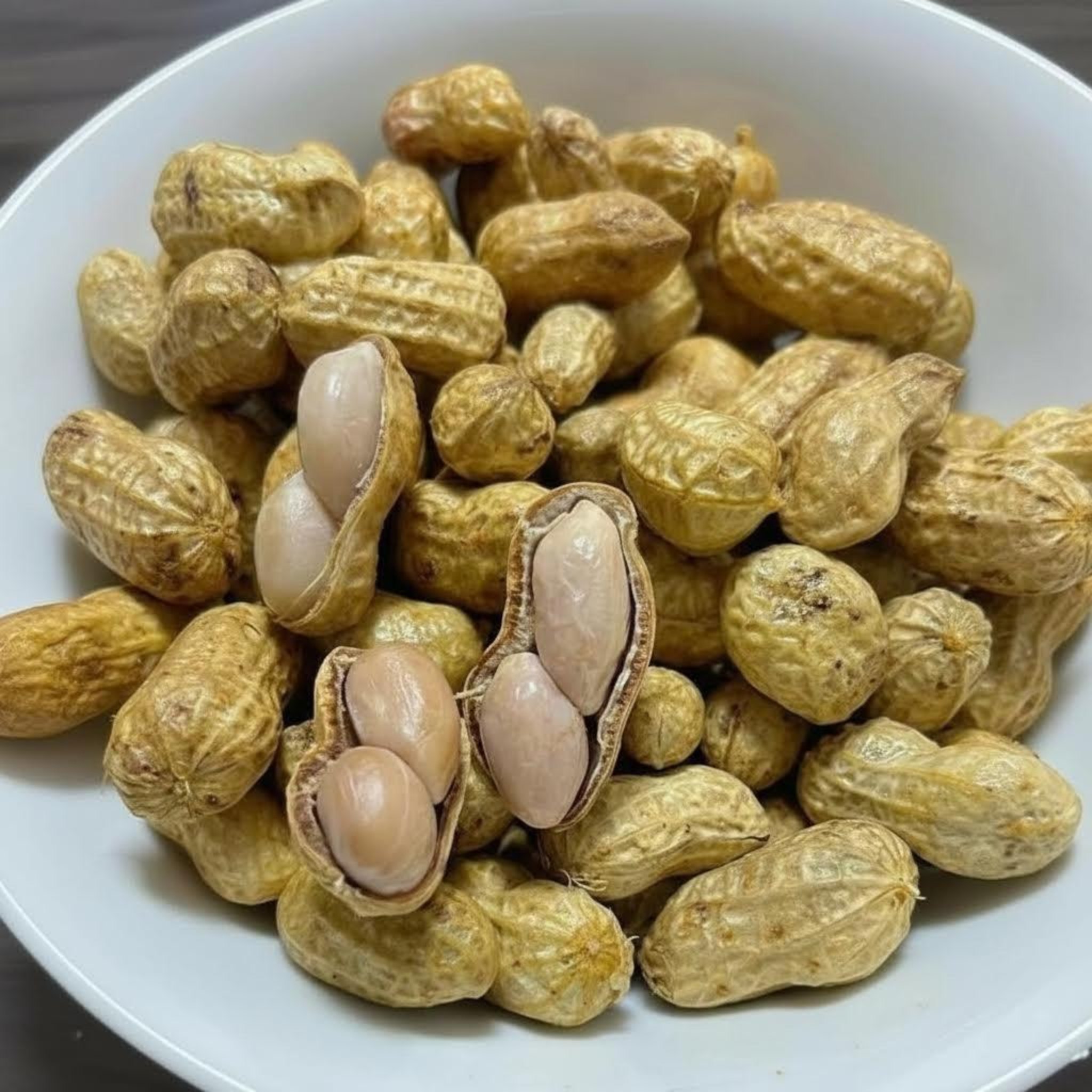
For some, peanuts even help stabilize blood sugar when combined with other foods. Their nutrient structure slows carbohydrate absorption, reducing dramatic spikes or dips in energy. This doesn’t make peanuts a medical solution, but it explains why some dietitians include them in strategies for balanced meals. Studies have also explored correlations between peanut consumption and reduced chances of certain conditions, including gallstones or digestive issues. These findings aren’t absolute guarantees; they’re observations across groups of people, not promises to individuals. Still, they support what many cultures have known intuitively: peanuts, in moderation, can contribute to long-term wellness.
But moderation is the keyword. Because peanuts are calorie-dense, eating them mindlessly—straight from a jumbo bag—can lead to discomfort, bloating, or simply too much daily energy intake. A small handful is often enough. Consistency matters more than volume. People with sensitive digestion may find that large portions feel heavy or difficult to process. Others, such as those with gout, may need to pay attention to how peanuts fit into their broader dietary pattern. And for individuals taking specific medications, including blood thinners, it’s wise to check with a healthcare professional before making peanuts a daily staple.
Of course, the most critical caution relates to allergies. Peanut allergies can be severe, unpredictable, and life-threatening, and even a trace amount can trigger a reaction in sensitive individuals. For them, complete avoidance is not optional—it’s essential. The growing presence of peanuts in packaged foods, sauces, and desserts means label-reading is a constant requirement. While this doesn’t diminish peanuts’ nutritional value for most people, it underscores the need for awareness and respect around this particular food, especially in shared households or group settings.
Storage is another overlooked part of peanut safety. Because peanuts are rich in natural oils, they can become rancid if left in warm or humid environments. Worse, poorly stored peanuts may develop mold, including aflatoxins, which are harmful when consumed. These contaminants often appear when nuts sit too long in open bins or are purchased from unreliable sources. Choosing sealed, fresh peanuts and keeping them in cool, dry places significantly reduces the risk. When in doubt, your senses are reliable: if peanuts smell off, taste bitter, or appear discolored, don’t eat them.
When selected carefully and eaten with intention, peanuts can easily fit into a balanced eating pattern. They blend into countless dishes—ground into sauces, crushed over salads, stirred into oatmeal, or eaten as a quick handful during a busy afternoon. They provide energy without the crash of sugary snacks and offer nutrients that support everyday physical and mental performance.
As we age, nutritional simplicity becomes even more valuable. Many people over 60 appreciate peanuts because they’re easy to keep on hand, require no preparation, and deliver nutrients that aging bodies benefit from. The natural fats support absorption of fat-soluble vitamins. The protein helps maintain muscle mass. The minerals aid everything from nerve function to bone strength. But this doesn’t mean older adults should rely on peanuts alone. Instead, peanuts work best as part of a varied diet that includes fruits, vegetables, lean proteins, legumes, and whole grains.
Listening to your body remains the most reliable guide. If peanuts keep you satisfied and energized, they’re likely serving you well. If they leave you sluggish or uncomfortable, adjusting portion size or frequency may help. Food isn’t one-size-fits-all, and even nutritious ingredients can be counterproductive when eaten without mindfulness.
The broader conversation about peanuts often swings between extremes—either labeling them a superfood or warning about allergies and calories. The truth sits squarely in the middle. Peanuts are a nutrient-rich, flavorful ingredient that can support balanced eating for many people. They’re not magic. They’re not harmful by default. They’re simply a food that carries both benefits and considerations.
A thoughtful approach—choosing fresh peanuts, watching portion sizes, paying attention to personal health needs—allows most people to enjoy everything peanuts bring to the table. And for those who cannot eat them, there are countless other plant-based proteins and healthy fats available. The goal is the same for everyone: nourishment, enjoyment, and a diet that supports the body rather than complicating it.
In the end, peanuts earn their place not because they’re trendy but because they’re dependable. Affordable, nutrient-dense, culturally significant, and deeply satisfying, they fit seamlessly into busy lives and diverse cuisines. When consumed responsibly and with awareness of individual needs, they offer a simple, powerful contribution to everyday well-being.