
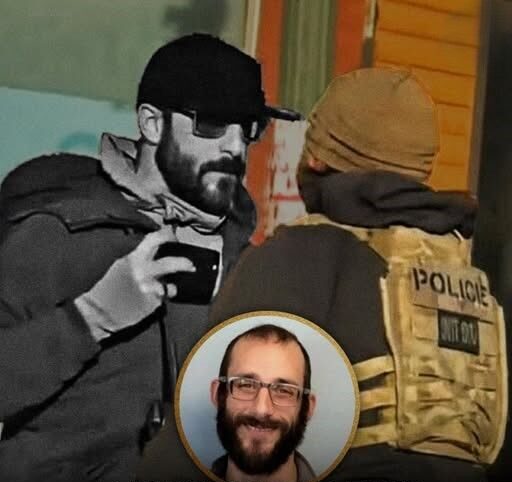
Federal authorities, however, tell a different story. Investigators claim Pretti was armed and posed an immediate threat, justifying the use of deadly force. That assertion has become the core dispute driving public outrage and legal scrutiny.
Video footage from several angles shows a fast-moving, chaotic scene. In multiple clips, Pretti appears to be holding a dark object that supporters say is a cellphone. None of the publicly available footage clearly shows him aiming a weapon. In one widely circulated video, he appears to be on or near his knees moments before shots are fired—an image that has intensified questions about whether the situation could have been de-escalated.
Experts caution that video alone cannot capture what officers perceive in real time. Federal investigators argue that split-second decisions are shaped by factors cameras do not record. Civil rights advocates counter that visual evidence raises serious concerns about escalation and proportional response.
Adding complexity to the debate, behavioral specialists have weighed in on a key moment just before the shooting: Pretti reaching toward his back pocket. While law enforcement may interpret such a movement as threatening, experts note it can also be a common stress response—an attempt to retrieve identification or a phone in hopes of calming a volatile situation. In high-stress encounters, they warn, reflexive actions can be tragically misunderstood.
Public reaction has also been shaped by footage from an encounter involving Pretti nearly two weeks earlier, in which he appears visibly angry during a separate confrontation with federal agents. Critics argue this shows a pattern of defiance. Supporters respond that frustration with enforcement tactics should not be retroactively used to justify a fatal outcome, nor erase years of documented service as a medical professional.
As investigations continue, Minneapolis finds itself confronting familiar tensions around authority, accountability, and trust. Nursing students who trained under Pretti describe a mentor who taught them how to stay grounded when everything else feels out of control. For them, the image of him as a violent aggressor does not align with the man who spent nights stabilizing patients and teaching others to do the same.
For Pretti’s family, the focus remains on who he was, not just how he died. They are calling for a transparent and independent investigation, hoping the final account will reflect the full context of his life and actions. Their fear is that his legacy will be reduced to a few chaotic seconds captured on video, rather than the years he spent caring for others.
Alex Pretti’s death has become more than a single incident. It is now a symbol of unresolved national debates over enforcement, escalation, and the fragile line between safety and tragedy. As officials work toward formal conclusions, the questions raised by his final moments continue to echo—forcing a reckoning not just with what happened, but with how quickly a life defined by healing can be lost in confusion.
What do you believe matters most when evaluating cases like this—intent, perception, or evidence? Share your thoughts and join the conversation below.