
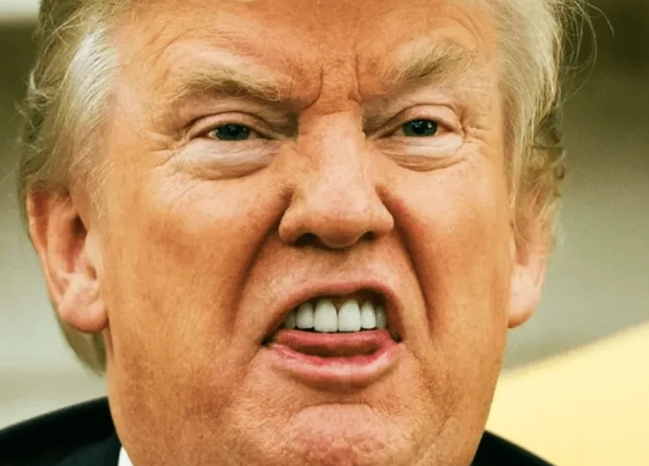
Several GOP operatives describe it as a public meltdown unfolding in real time. Instead of broadening appeal or sharpening policy contrasts, Trump seems stuck in grievance mode, energizing his base while alienating moderates and independents. For a party focused on winning, the worry is not mere aggression—it’s losing control of both narrative and candidate.
A longtime strategist noted that Trump does not know how to run against someone like Harris. Against President Biden, he could lean on age, verbal missteps, and perceived weakness. Harris presents a different challenge: she pushes back, responds quickly, and exposes flaws that Trump’s usual tactics—nicknames, insults, chaos—cannot easily counter.
Party leaders privately worry that Trump’s emotional volatility could intensify as Election Day approaches, recalling the post-2020 election period. Insiders also note a growing disconnect between Trump and his campaign team. Despite advice to focus on issues like inflation, crime, and immigration, Trump continues to escalate personal attacks, particularly on social media—moves that play well to his base but poorly with swing voters.
These attacks on Harris carry additional risks. Questioning her intelligence and racial identity could reinforce accusations of sexism and racism, potentially galvanizing Democratic voters and turning moderates away. At the same time, Trump’s age and the relentless pace of campaigning raise questions about his stamina and resilience under intense stress.
Despite these concerns, Trump’s core supporters remain fiercely loyal, viewing his attacks as authentic and unfiltered rather than signs of instability. Yet elections are not won by the base alone. Republican strategists are increasingly worried that suburban voters, independents, and moderates—the very groups needed to win—may be alienated.
As the campaign progresses, tension within Republican ranks is likely to intensify. Trump has shown no inclination to change his approach, and his critics within the party lack the leverage to force him. The result may be a slow-motion collision between Trump’s instincts and the party’s strategic needs.
Whether this culminates in a late-stage course correction or a dramatic collapse remains uncertain. What is clear is that many Republicans are no longer just worried about the opposition—they are worried about their own nominee and whether he can withstand the pressures of a competitive race without unraveling.