
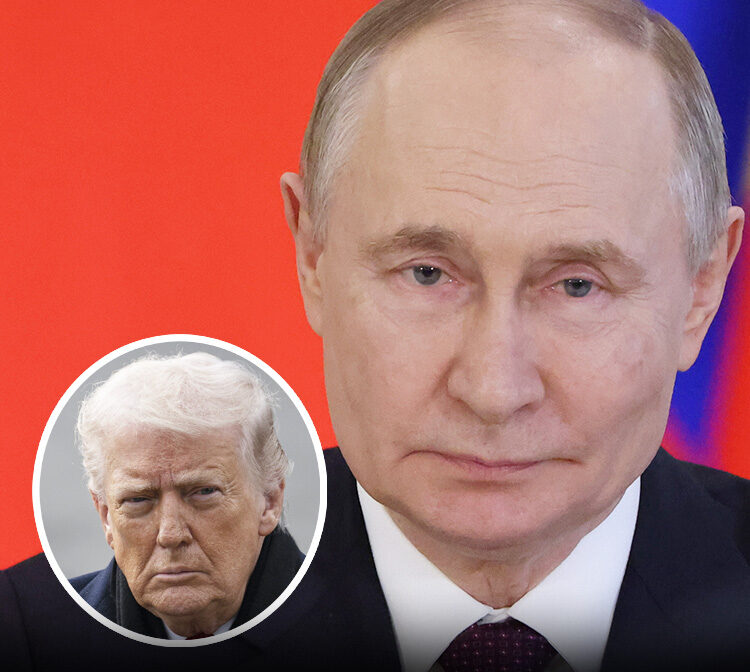
European leaders have warned they may respond with retaliatory tariffs.
Speaking ahead of the World Economic Forum in Davos, Switzerland, Trump reiterated his stance, saying the United States “has to have” Greenland and that there was “no going back” on his position. He described Greenland as “imperative for national and world security.”
Trump has repeatedly suggested that if the U.S. does not act, Russia or China could seek control of the island. However, officials from both countries have publicly denied having territorial ambitions in Greenland. Denmark’s military has also stated that it sees no immediate security threat from either nation in the region.
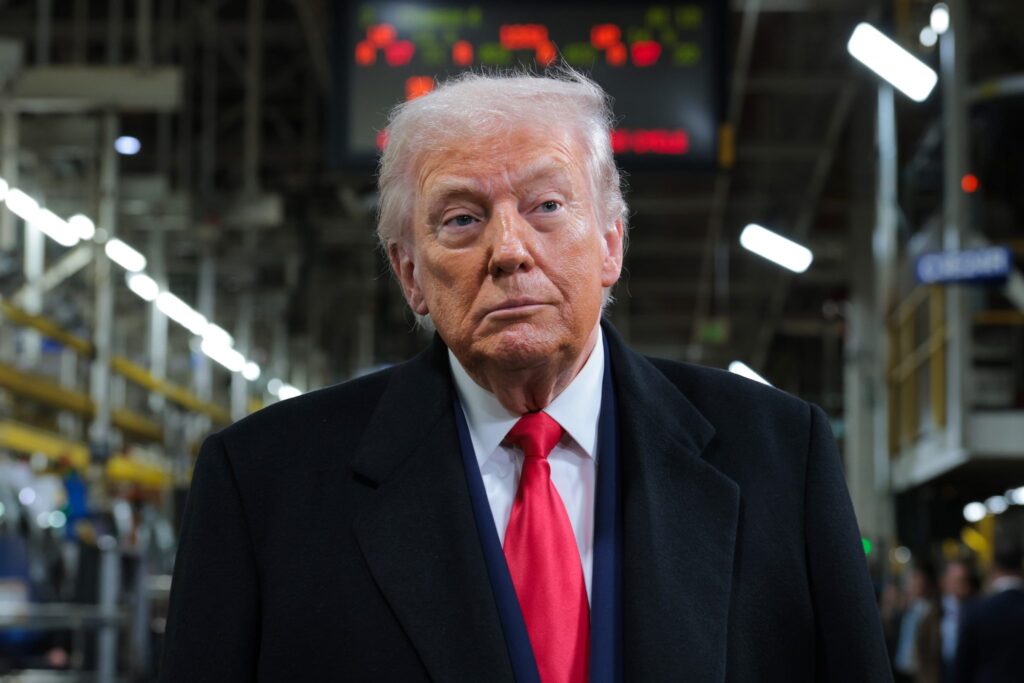
DEARBORN, MICHIGAN – JANUARY 13: U.S. President Donald Trump tours the Ford River Rouge Complex on January 13, 2026 in Dearborn, Michigan. Trump is visiting Michigan where he will participate in a tour of the Ford River Rouge complex and later give remarks to the Detroit Economic Club. (Photo by Anna Moneymaker/Getty Images)
On Tuesday, Russia addressed the controversy directly. According to Reuters, Russian Foreign Minister Sergey Lavrov said Greenland was “not a natural part” of Denmark and described the island as a product of colonial history.
“In principle, Greenland is not a natural part of Denmark, is it?” Lavrov said at a news conference in Moscow. “It was neither a natural part of Norway nor a natural part of Denmark. It is a colonial conquest.”
Lavrov emphasized that Russia has no intention of interfering in Greenland’s affairs and said U.S. officials are aware that Moscow has no plans to pursue control of the territory. He added that while Greenland’s current population may feel comfortable with its political status, the historical context remains relevant as discussions around former colonial territories intensify globally.
The remarks add a new layer of tension to an already fraught geopolitical debate, as Arctic security, trade disputes, and historical claims increasingly intersect on the global stage.