
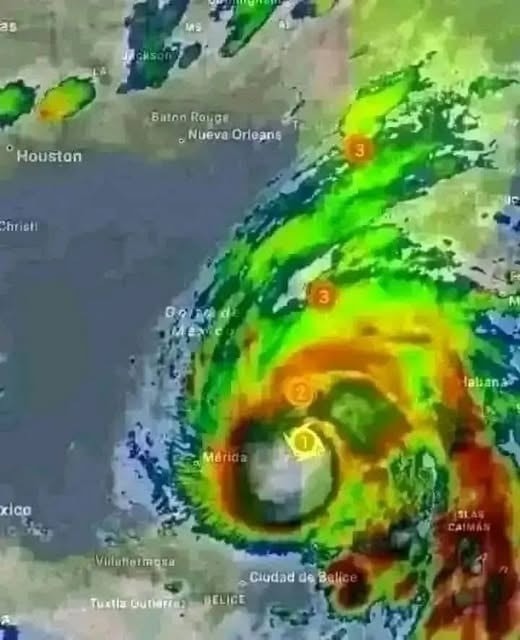
A rare convergence of extreme environmental conditions is placing the Caribbean and the Southeastern United States under heightened alert, as multiple natural hazards unfold at the same time. From seismic activity and widespread flooding to transatlantic dust plumes and developing tropical systems, the region is facing a complex weather and climate risk scenario that goes far beyond a routine forecast. Meteorologists and emergency management officials are closely monitoring this unusual combination of events, urging residents to remain informed and prepared as conditions continue to evolve rapidly.
Across the southern Caribbean, recent seismic activity has added another layer of concern. A notable earthquake near Trinidad reminded residents and authorities alike of the region’s geological sensitivity. While damage assessments are still underway, experts warn that aftershocks remain a serious possibility, especially in areas where infrastructure may already be weakened. At the same time, parts of Central America are struggling with historic flooding caused by weeks of relentless rainfall. Overflowing rivers, submerged roads, and displaced families have stretched emergency response systems to their limits. With soil already saturated, even light additional rain now increases the risk of landslides, creating dangerous conditions for both residents and rescue teams.
Compounding these challenges, a massive cloud of Saharan dust has traveled thousands of miles across the Atlantic, reducing visibility and triggering air quality alerts throughout the Caribbean. While dust events are not unusual, the scale of this plume has raised health concerns, particularly for individuals with asthma, respiratory conditions, or other chronic health issues. Fine airborne particles can worsen breathing problems and limit outdoor activity. Aviation and maritime travel have also been affected, as hazy conditions complicate navigation and delay operations. This event underscores how global weather patterns can directly influence local safety and public health.
Meanwhile, attention is increasingly focused on the Atlantic basin, where tropical weather systems are gaining strength. Meteorologists are tracking Tropical Storm Flossie, which has shown signs of intensification due to unusually warm ocean temperatures. Forecast models suggest the storm could grow stronger as it moves toward more populated areas. In addition to Flossie, several other disturbances are forming, some with potential paths toward the Southeastern United States. States such as Florida and Georgia are once again preparing for the possibility of heavy rainfall, coastal storm surge, flash flooding, and damaging winds—hallmark risks of an active hurricane season.
What makes this moment especially dangerous is the overlap of multiple disasters occurring simultaneously. Emergency planners refer to this as a “compounding disaster scenario,” where resources are stretched across several crises at once. Flood recovery efforts, earthquake monitoring, air quality management, and hurricane preparedness are all demanding attention at the same time. This overlap can slow response times, strain communication systems, and complicate evacuations, making personal preparedness more important than ever.
Officials emphasize that now is the time for action, not assumption. Staying informed through trusted weather updates and emergency alerts is critical, as storm tracks and conditions can change quickly. Residents are encouraged to prepare emergency kits with essentials such as drinking water, medications, important documents, and non-perishable food. In flood-prone areas, knowing multiple evacuation routes is vital, as roads can become impassable with little warning.
The human impact of these events remains a central concern. Severe weather disproportionately affects older adults, individuals with disabilities, and families in vulnerable housing situations. Community preparedness plays a key role in reducing risk. Checking on neighbors, sharing information, and helping those who may lack access to real-time alerts strengthens overall resilience. During periods of poor air quality, limiting outdoor exposure and using indoor air filtration can reduce health risks. For those in storm-prone areas, securing outdoor items, reinforcing windows, and keeping vehicles fueled are essential safety steps.
The Caribbean and Southeast United States are facing a critical test of preparedness and adaptability. With threats coming from land, sea, and sky, the margin for error is narrow. However, history shows that informed communities and proactive planning can significantly reduce the impact of natural disasters. As weather conditions remain unpredictable and hazards continue to develop, vigilance, cooperation, and early preparation remain the most effective tools for protecting lives and property.