
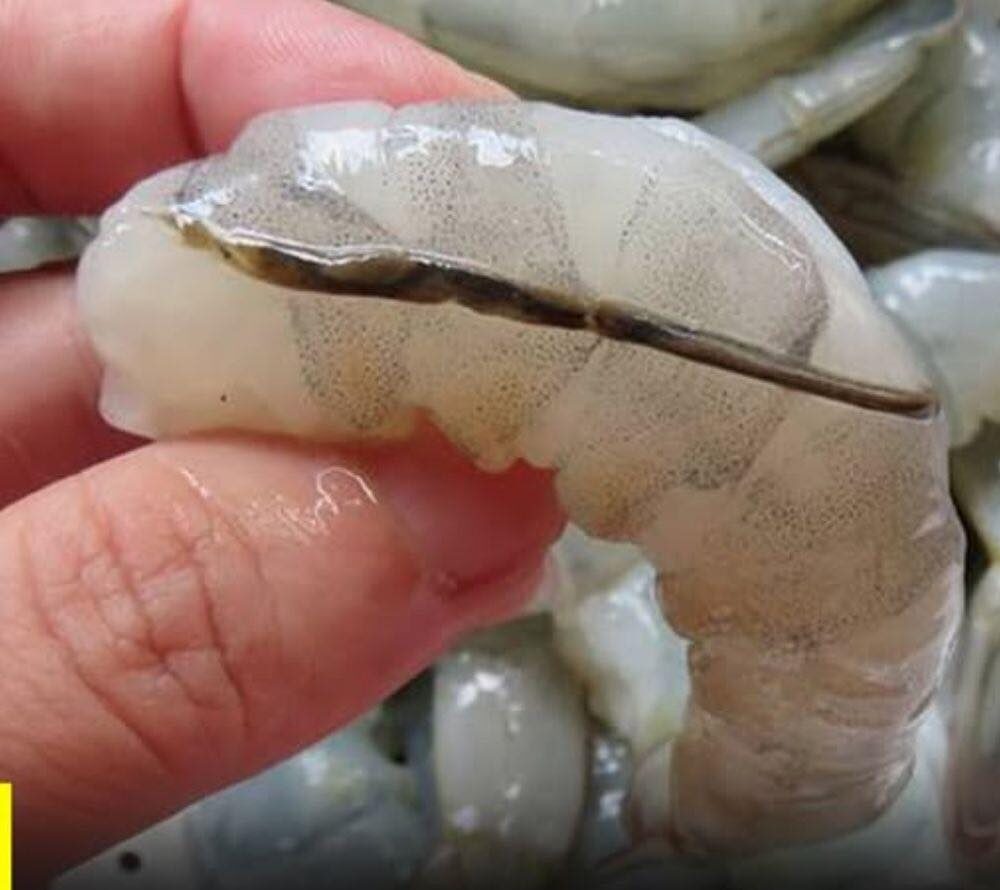
Why Deveining Makes a Difference
Many chefs recommend removing the vein. Why?
Taste: Leaving it in can cause a slightly bitter flavor.
Texture: Some people notice a gritty feel, especially when grilling, frying, or sautéing.
Presentation: Peeled and deveined shrimp look cleaner and more appetizing.
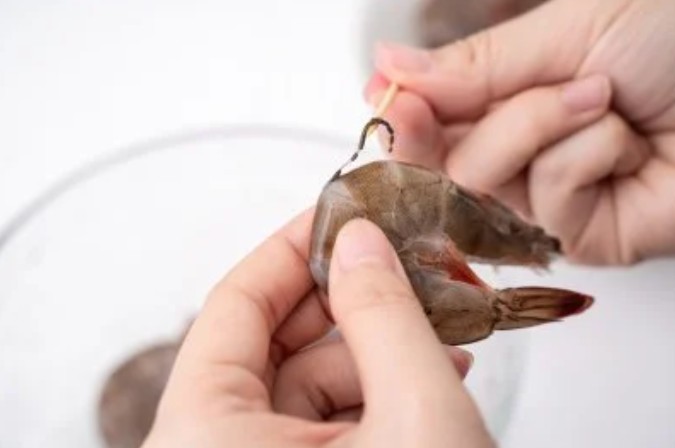
How to Devein Shrimp Quickly
No special tools are needed:
Make a shallow cut along the shrimp’s back.
Lift out the vein with a knife tip or a toothpick.
You can also devein after cooking, though the shrimp will be firmer and a little trickier to handle.
Do All Shrimp Need to Be Deveined?
Not necessarily:
Small shrimp: The vein is tiny and often left as is.
Large shrimp: More visible and usually removed for better taste and presentation.
Many stores sell peeled-and-deveined shrimp for convenience, especially for larger varieties.
The Other Line You Don’t Need to Worry About
Shrimp also have a channel on the underside—this is a blood vessel, not a digestive tract. It’s completely harmless and doesn’t need to be removed.
What the Vein Can Tell You About Freshness
Very dark vein: Might indicate older shrimp or less careful handling.
Lighter vein: Often a sign of fresher shrimp or cleaner diet.
While it’s not a foolproof freshness test, it’s a useful visual clue.
Hygiene and Comfort
Even though it’s safe to eat, deveining is considered good kitchen practice. It removes sand or residue and can make shrimp easier to digest, especially for people with sensitive stomachs.
Bottom Line
The shrimp vein isn’t something to fear—but understanding it can take your cooking to the next level. A few extra seconds to devein shrimp can make your dish cleaner, tastier, and more enjoyable.
Ready to elevate your shrimp game? Try deveining next time and taste the difference—it’s a small step that makes a big impact!