
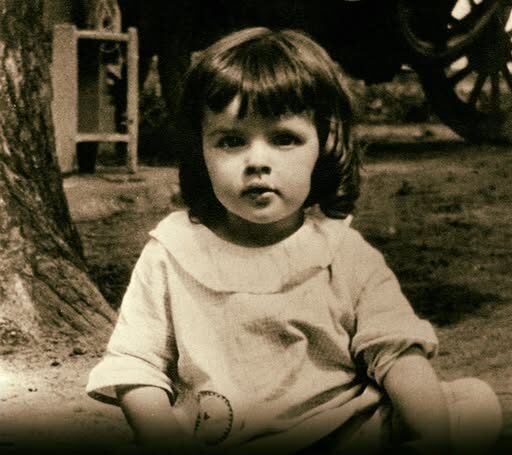
When Metro-Goldwyn-Mayer signed her in the mid-1930s, the studio system took control where her family left off. MGM didn’t see a child—they saw an asset. Despite her extraordinary talent, Garland was constantly compared to other young actresses and made to feel inadequate. Executives criticized her appearance and confidence, reinforcing insecurity to keep her compliant.
To maintain production schedules, the studio placed her on a strict regimen of stimulants and sleep aids. Pills were used to control her energy, her weight, and her emotions. What was framed as “help” quickly became dependency. These practices, accepted at the time, would now be considered deeply unethical. But in that era, efficiency mattered more than health.
In 1939, The Wizard of Oz changed everything. Judy Garland became Dorothy, a symbol of hope for millions. Her voice carried longing, innocence, and resilience—qualities that mirrored her own life. While audiences believed she had reached a dream, her personal world was unraveling. Long hours, constant supervision, and emotional isolation followed her success. Even personal loss was treated as an inconvenience by the studio machine.
Throughout the 1940s and 1950s, Garland continued delivering unforgettable performances. Films like Meet Me in St. Louis and Easter Parade showcased her range and emotional depth. Yet the strain was relentless. As she grew older, the industry that once celebrated her began to view her as “difficult”—a label often given to those struggling under impossible expectations.
Still, Garland endured. She reinvented herself as a live performer, captivating audiences in concert halls around the world. Her shows were raw, emotional, and deeply human. She joked about her constant comebacks, but behind the humor was exhaustion. By middle age, she had already spent decades working under pressures few could survive.
Judy Garland died in 1969 at just 47 years old. The cause was an accidental overdose—linked to the very substances introduced to her during childhood. Her death shocked the public but felt tragically inevitable to those who knew her struggles. Yet her story does not end in despair.
Garland left behind more than heartbreak. She left music that still resonates, performances that still comfort, and a legacy of honesty that continues to inspire. Her children, her fans, and history remember her not just as a victim of Hollywood, but as a woman of humor, courage, and unmatched talent.
When we hear Judy Garland sing today, we don’t just hear perfection—we hear perseverance. A voice shaped by pain, strengthened by resilience, and driven by the search for belonging. Despite everything, she never stopped reaching for her own version of home.
How do you think Hollywood should balance talent, fame, and human well-being today? Share your thoughts below.