
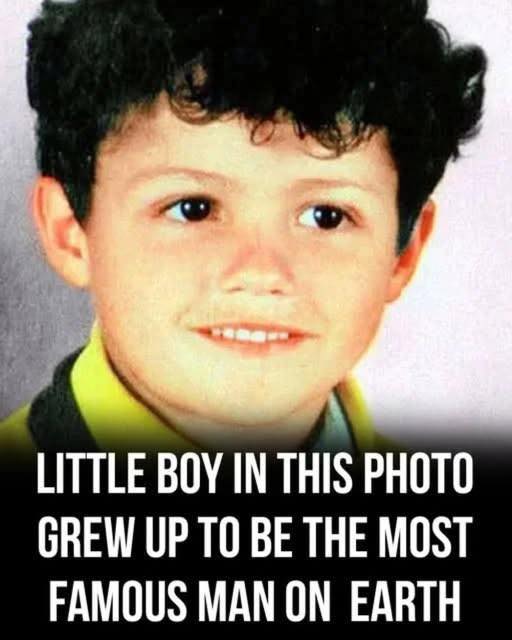
At Sporting Lisbon, he wasn’t polished, but he was electric. He tore through training sessions like someone racing a clock only he could hear. His speed, confidence, and audacity made it clear he didn’t belong in the background. When Manchester United brought him to England as a teenager, the spotlight became harsher than anything he had experienced. Critics mocked his flair, questioned his maturity, and dismissed him as style with no substance. That criticism forged him. Instead of shrinking, he sharpened every tool he had. Skills became weapons. Weaknesses became obsessions. Hours became routines that would eventually turn him into the machine the world now recognizes.
England toughened him. Madrid transformed him.
Real Madrid wasn’t a club — it was a pressure cooker disguised as a stadium. Every match demanded brilliance. Every season demanded history. Every misstep became a headline. But he didn’t crack. He thrived. Goals became inevitable. Records fell like they were waiting for him. His rivalry with Messi elevated the entire sport, two opposites pushing each other into immortality. And while the world argued about who was better, he kept working like he was still the boy nobody believed in.
With Portugal, he carried a different weight — the weight of a nation starving for a moment of glory. He suffered heartbreaks, near-misses, and years of disappointment. But he didn’t quit. And when victory finally arrived, it wasn’t luck. It was persistence. It was sweat. It was a career’s worth of refusal to settle for almost.
Strip away the goals and accolades, though, and there’s a quieter story most people ignore. A son who watched his mother sacrifice everything. A boy who saw addiction take his father piece by piece. A man who chose discipline as his anchor because he knew what life looked like without it. Fame didn’t dilute the urgency inside him — it intensified it. Every doubt thrown at him became fuel. Every insult hardened his resolve. The arrogance people think they see is armor built from years of having to defend his worth.
His personality has always divided the world. People either admire his intensity or misunderstand it. But the truth is simple: nobody becomes Cristiano Ronaldo by being modest about ambition. The world does not hand greatness to the quiet. It rewards the relentless.
His legacy isn’t just in numbers — though they are staggering. It lives in the message carved into his journey: beginnings don’t determine endings. Hardship doesn’t limit destiny. Illness doesn’t guarantee defeat. A boy from a small island with nothing but speed in his legs and fire in his chest forced the world to notice him. And once it did, he refused to let it look away.
He became an icon not because he was born extraordinary, but because he demanded extraordinary things from himself every day. He rebuilt himself constantly — physically, mentally, emotionally — reinventing what an athlete could be, how long greatness could last, and how far self-belief could carry someone who started with nothing.
Cristiano Ronaldo’s story isn’t just a triumph of talent. It’s a blueprint for anyone who’s ever been underestimated. It’s a reminder that resilience can be louder than circumstance, that hunger can outlive failure, and that the world’s expectations mean nothing if you refuse to let them shape you.
He is, at his core, still the boy from Madeira — the one who ran faster, worked harder, dreamed bigger, and never once asked permission to become the most famous man on Earth.