
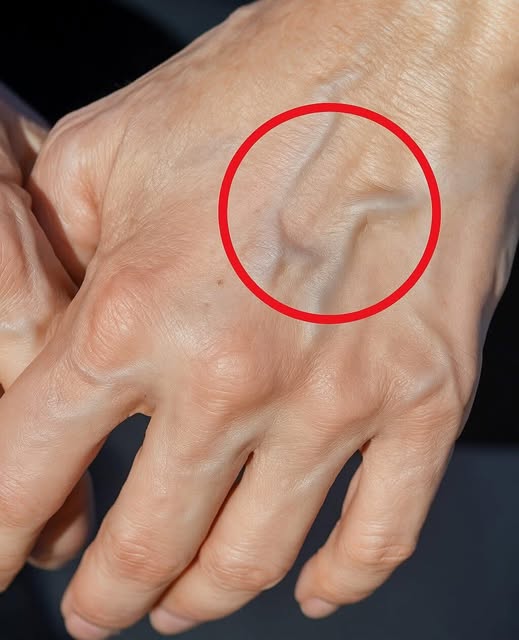
Aging is another major factor. As skin loses collagen and elasticity over time, it becomes thinner and more transparent, making veins stand out. None of this is harmful—it’s just biology doing what biology does.
But not all visible veins are harmless. Sometimes, they’re the body’s early signal that something isn’t functioning the way it should. One common issue is chronic venous insufficiency, a condition where the valves inside your veins weaken. When they fail to push blood upward efficiently, blood collects in the lower legs, creating swelling, heaviness, and prominent bulging veins. Although treatable, ignoring the signs can eventually lead to skin discoloration and discomfort.
Varicose veins are another recognizable concern. These twisted, enlarged veins often appear blue or purple and can feel achy or itchy. While they’re not usually dangerous, they can become painful and occasionally indicate deeper circulation issues.
More urgent conditions exist too. Superficial thrombophlebitis occurs when a small blood clot forms near the skin, creating a firm, tender, rope-like vein. It’s uncomfortable but typically manageable with treatment. Deep Vein Thrombosis (DVT), however, is a medical emergency. A clot in the deeper veins of the leg can break off and travel to the lungs, causing a potentially fatal pulmonary embolism. Symptoms such as sudden swelling, pain, warmth, or redness in a single leg should never be ignored.
Even temporary lifestyle triggers can make veins more noticeable. Dehydration reduces fluid volume in your body, making veins stand out. Hormonal fluctuations during menstruation, pregnancy, or menopause can also cause veins to appear more prominent. Sudden weight loss, whether intentional or due to illness, removes the fat cushion beneath your skin, revealing veins that were always there but less visible.
With all these possibilities, knowing when to call a doctor becomes important. If your veins suddenly appear more visible without any obvious cause—no intense workout, no heat exposure, no recent weight change—it’s worth monitoring. Add symptoms like swelling, pain, skin dryness, itching, or discoloration, and you should book an appointment. A healthcare provider can determine whether the change is purely cosmetic or linked to a circulatory condition needing treatment.
When it comes to managing visible veins, there are multiple options depending on your goals. If your concern is cosmetic or comfort-related, simple lifestyle adjustments can help maintain vein health. Staying hydrated supports healthy blood flow. Keeping active—especially in jobs or routines that involve long periods of sitting or standing—prevents blood from pooling in the legs. Elevating your feet at the end of the day helps circulation, and avoiding smoking protects vascular health across the board.
Compression stockings are a highly effective tool for people who experience swelling or discomfort. They gently squeeze the legs to promote blood return and reduce strain on vein valves. For more severe cases or cosmetic preferences, medical treatments like sclerotherapy, laser therapy, or minimally invasive vein procedures can offer long-term solutions.
There’s also an emotional layer to this topic. Visible veins can affect confidence, especially when they appear suddenly or change your skin’s appearance. But for many people—especially athletes—pronounced veins symbolize strength, determination, and physical achievement. Perspective shapes everything. What one person sees as a flaw, another sees as proof of effort and discipline.
At the end of the day, visible veins sit at the intersection of appearance and health. They’re usually harmless, tied to genetics, fitness, age, or temporary changes in your body. But they can also serve as early clues that circulation needs attention. Learning to distinguish between the two is the key to taking care of your health without unnecessary worry.
If a new pattern of visible veins appears without explanation—or comes with discomfort—listen to your body. Getting clarity from a healthcare professional is always better than guessing. Your veins aren’t just lines beneath your skin; they’re messengers. And paying attention to what they say can give you a clearer picture of your overall well-being.