
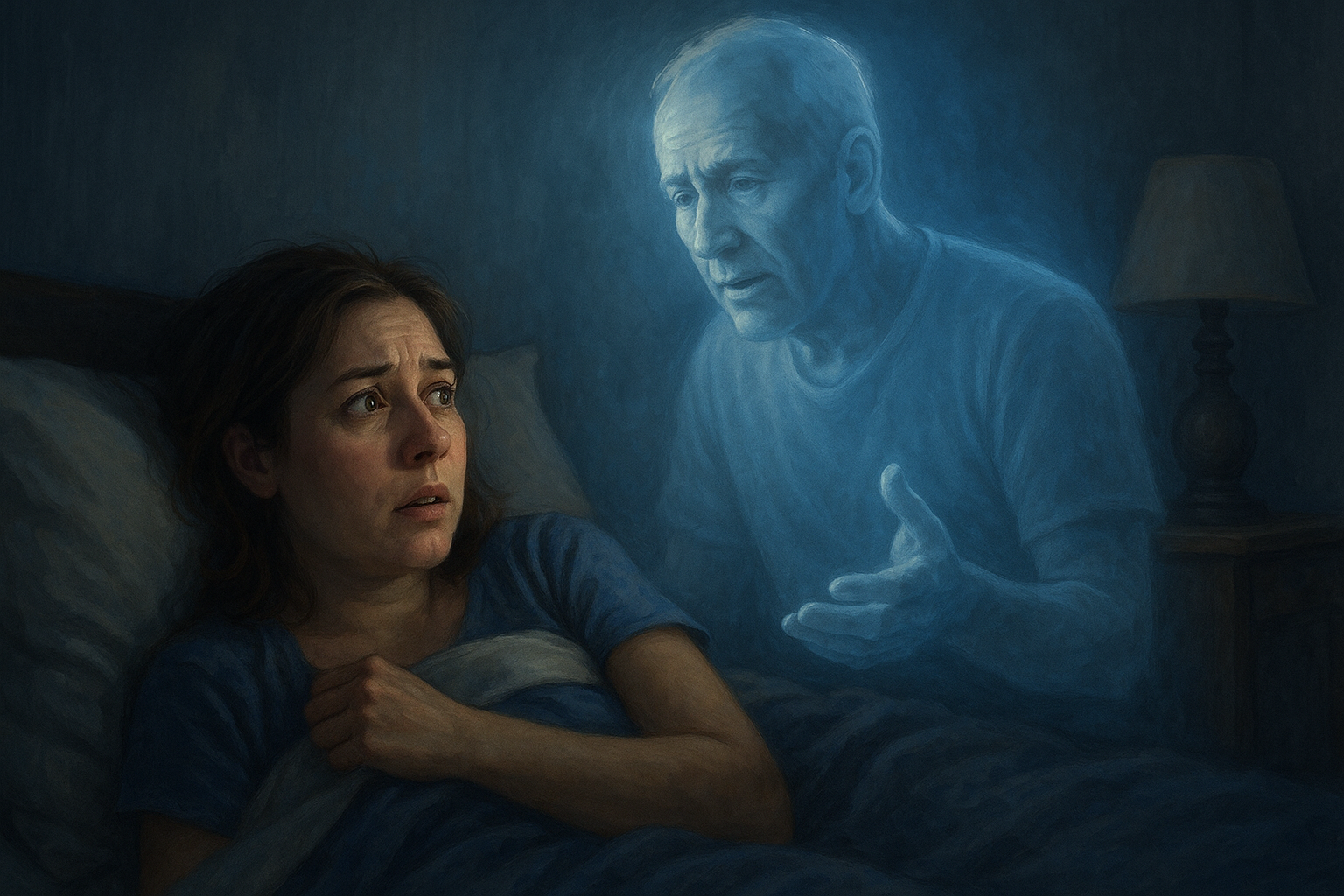
In many cases, the dream isn’t about predicting the future or proving anything supernatural—it’s about your brain trying to heal.
3) Dream Conversations Can Support Closure and Acceptance
Loss—especially sudden or traumatic loss—can leave your nervous system stuck between disbelief and acceptance. Dreams can act like a bridge. They let the mind simulate a sense of completion when real life didn’t provide it.
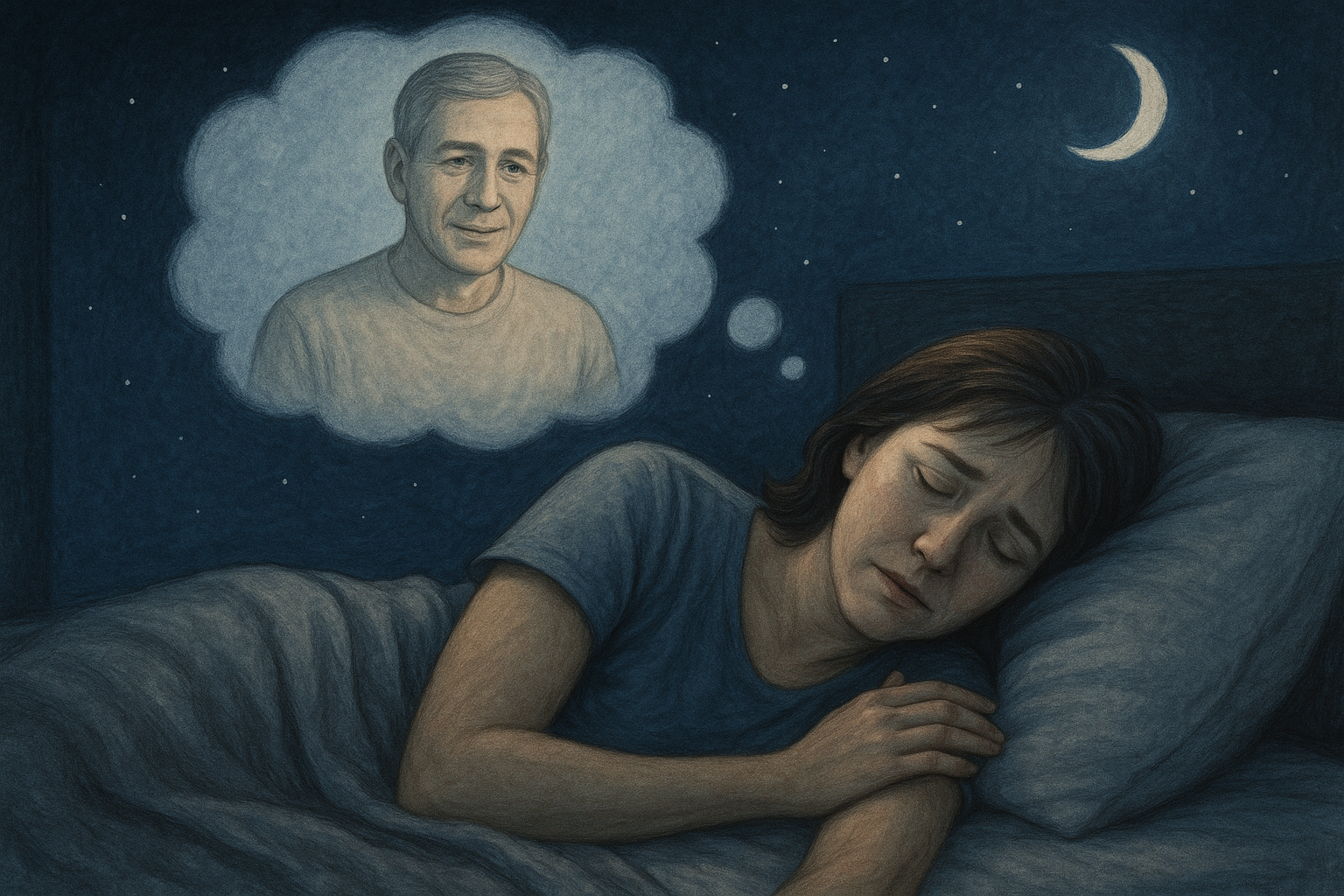
What matters most isn’t the exact wording. It’s the emotional shift you wake up with:
- Calm can signal relief from guilt or anxiety.
- Warmth can reflect comfort and secure attachment.
- Tension can indicate you’re finally facing pain you avoided.
Even a difficult dream can represent progress, because it shows your mind is engaging with the truth of the loss rather than shutting down.
4) Their Advice May Represent Your Inner Guidance
Many people report that the deceased offers guidance, encouragement, or a sense of protection. Psychology often explains this through internalized support. If the person strongly shaped your values—like a parent, grandparent, spouse, or mentor—their influence doesn’t disappear. It becomes part of how you think and make decisions.

So when they “speak” in a dream, it may be your own intuition drawing on what they taught you. In moments of uncertainty—career decisions, relationship stress, health worries—your mind may bring up that familiar voice because it represents safety and wisdom.
5) “Continuing Bonds” Are a Normal Part of Healthy Grief
Modern grief research recognizes that healing doesn’t always mean cutting emotional ties. Many people maintain a healthy inner connection with someone who has died—through memories, values, traditions, and yes, dreams.
These dream conversations can be one way your mind preserves that bond while adjusting to life without the person physically present. This is especially common when the deceased played a central role in your identity and daily life.

6) Stress and Big Life Changes Can Trigger These Dreams
Dreams of the deceased often increase during emotionally intense periods, such as:
- starting a new job or facing financial pressure
- moving, divorce, or relationship conflict
- illness, burnout, or anxiety
- another loss in the family
When you’re overwhelmed, your brain looks for emotional stability. It may “summon” a person associated with comfort and guidance. In that sense, the dream can work like emotional regulation—helping you settle, reflect, and regain strength.
7) The Emotional Tone Matters More Than the Exact Words
Cultural beliefs shape how people interpret these dreams. Some view them as sacred encounters; others see them as memory and emotion at work. Either way, the most useful clue is usually the feeling of the dream:
- Peaceful dreams often suggest integration, love, and acceptance.
- Unsettling dreams can point to unresolved guilt, fear, or conflict that still needs attention.
If a dream leaves you distressed, it may help to journal what was said, what you felt, and what’s currently happening in your life. Often, the meaning becomes clearer when you connect the dream to your present stressors and emotional needs.
These Dreams Are Common—and Not a Sign Something Is “Wrong”
It’s important to know that dreaming about a deceased person speaking to you is not automatically a sign of obsession, denial, or a mental health problem. For many people, it’s simply the brain doing what it’s designed to do: process memory, regulate emotion, and help you adapt after loss.
Instead of focusing only on whether the dream was “real,” consider what it revealed about you—your grief, your love, your fears, and what you may need in this season of life.
Final Thought
When a deceased loved one speaks to you in a dream, it’s rarely meaningless. These dreams often come from attachment, memory, and the mind’s ongoing effort to make peace with loss. Sometimes they bring comfort. Sometimes they bring clarity. And sometimes they simply remind you that love can remain present internally, even when someone is gone physically.
CTA: Have you ever had a dream where someone you lost spoke to you? Share what happened (and how it made you feel) in the comments—your story may help someone else feel less alone.