
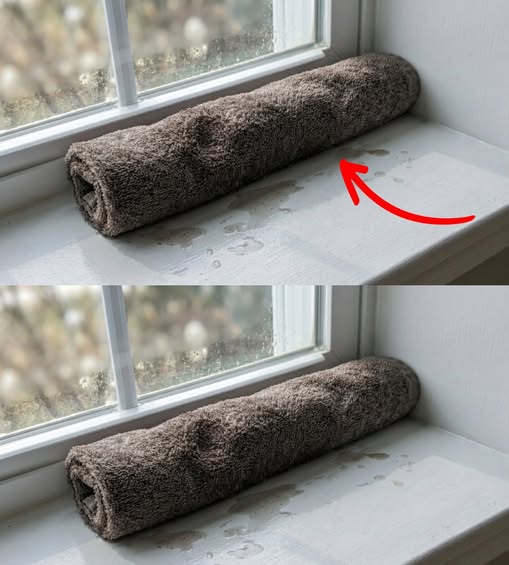
Even a 1–3°C drop in ambient temperature can help your body initiate its natural cooling process for sleep.
Cooling Your Body Directly
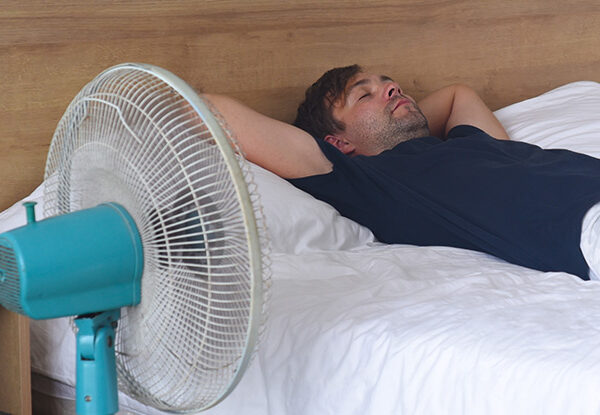
Targeting areas like your head and neck can make a big difference:
Chilled Pillow:
Refrigerate or freeze a pillow or pillowcase for 20–30 minutes before bed.
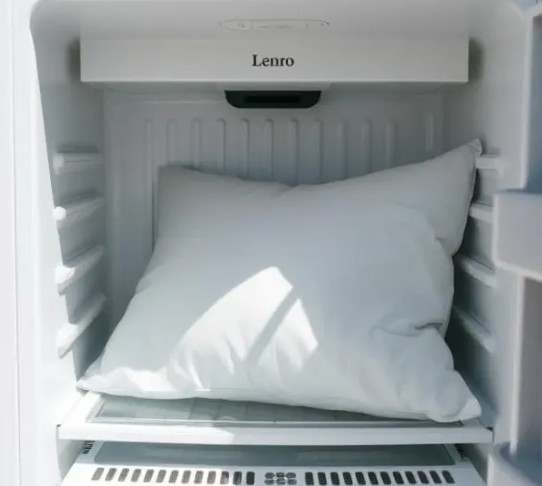
The cool sensation helps lower perceived body temperature, easing the transition to sleep.
For longer-lasting relief, rotate multiple pillowcases throughout the night.
Other body-focused methods:
Place cool packs near pulse points (wrists, neck, ankles).
Take a brief lukewarm shower before bed to lower core temperature.
Wear lightweight, breathable fabrics such as cotton or linen.
Combining Room and Body Cooling
The most effective approach combines both strategies:
Hang a damp towel in the window for cooler circulating air.
Sleep on a chilled pillow to immediately lower head and neck temperature.
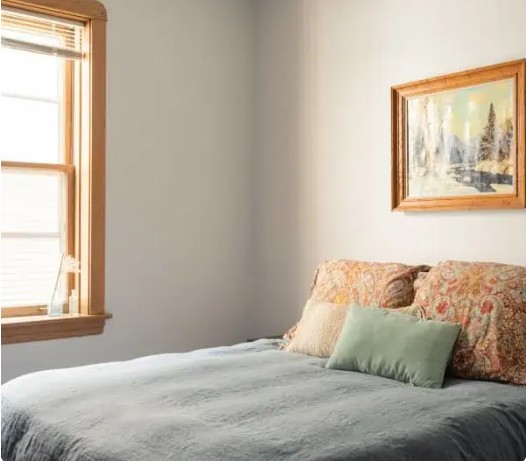
Use lightweight bedding or a single sheet to reduce heat retention.
Position fans to enhance airflow or blow air across the damp towel.
Adding bowls of ice in front of a fan can create a mini air-conditioning effect for even greater comfort.
Additional Tips for Better Sleep in Heat
Place your bed near a source of airflow, like a window or door, to increase ventilation.
Ceiling fans can enhance sweat evaporation, creating a cooling effect across the body.
Psychological comfort matters: the tangible sensation of cool air or fabric can reduce mental restlessness.
Science Behind It
Evaporative cooling and body thermoregulation are well-studied.
Even minor reductions in core or skin temperature improve sleep onset and quality.
Cooling the head and neck helps blood distribute heat throughout the body, enhancing natural nighttime cooling.
Limitations

Extremely hot or humid nights may overwhelm these methods.
People with cardiovascular or respiratory conditions should use caution with rapid temperature changes.
While these strategies are highly effective in moderate heat, they may not fully replicate air conditioning.
Bottom Line
Even without air conditioning, sleep in hot conditions is achievable with simple, science-backed interventions.
Cool the room: damp towels, airflow, fans.
Cool the body: chilled pillows, lightweight bedding, pulse-point cooling.
Combine approaches for maximum effect.
With a little creativity and understanding of your body’s cooling mechanisms, restful sleep is possible—even on the hottest nights.