
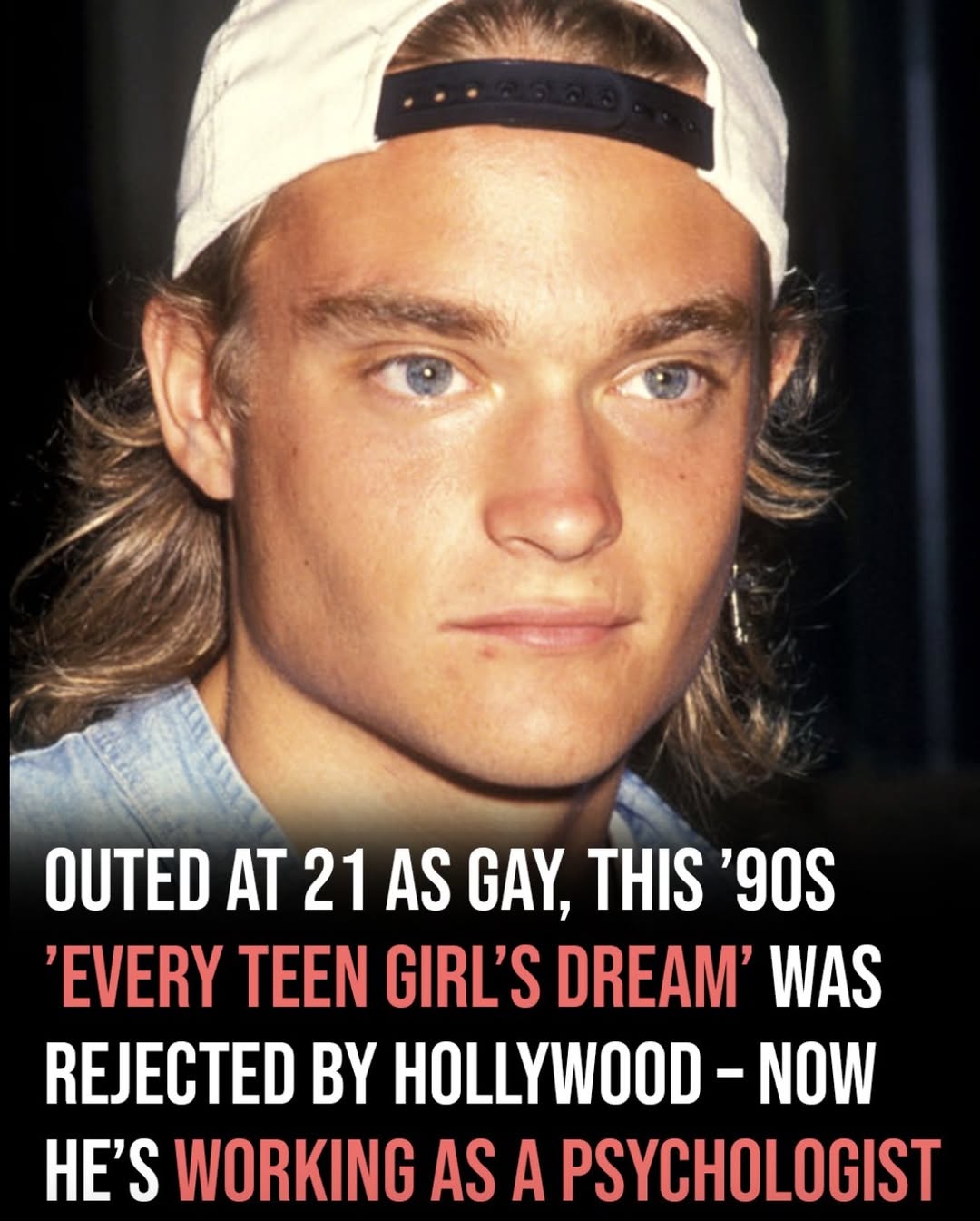
In the 1980s and early 1990s, his face was everywhere. He was the kind of clean-cut, charming young actor who dominated magazine covers and prime-time television, quickly becoming a pop-culture favorite and a dream crush for millions of teenage girls.
But behind the bright smile and celebrity lifestyle was a young boy grappling with intense pressure, personal identity, and questions about who he truly was beyond fame.
Before he was old enough to drive, he was already working full-time in Hollywood. While audiences saw confidence and charisma, the reality was far more complicated. He was still just a child trying to understand himself in an industry that rarely slows down.
A Child Star Growing Up in the Spotlight
Born in 1974, the former child actor landed his first major role at just eight years old, playing an autistic child on the acclaimed medical drama St. Elsewhere. To prepare for the role, his mother explained that children on the autism spectrum often experience the world internally in unique ways.
That explanation resonated deeply with him.
He later recalled how he would sit quietly, creating elaborate imaginary worlds in his mind, focusing on patterns around him while entire stories played out internally. That natural ability to retreat inward helped him connect emotionally with his character.
Not long after, he appeared on Airwolf, earning a nomination for Best Young Actor: Guest in a Series, an early sign of his rising career in television.
Soon, he became a familiar face on popular family sitcoms like Our House and My Two Dads. While other kids focused on homework and friendships, he memorized scripts, attended press events, and grew up under studio lights.
“I was great at pretending,” he later admitted. “But eventually, it stopped feeling like fun.”
Fame, Pressure, and Walking Away
By his teenage years, fame had become a full-time brand. Publicists managed his image, photo shoots refined it, and interviews reinforced it. The person America adored felt increasingly disconnected from the person he was inside.
At just 16 years old, he made a decision few young celebrities dare to make—he stepped away from Hollywood.
He enrolled in a regular high school and joined the drama club, drawn to the authenticity of theater and the freedom to explore creativity without commercial pressure.
For the first time, he felt grounded.
Addiction, Recovery, and a Turning Point
Raised in a strict Catholic household, discipline was part of his upbringing. But as adulthood arrived and unresolved stress accumulated, addiction slowly took control of his life.
He later described moments of deep isolation, sitting alone in his Malibu condo, disconnected and overwhelmed. A close friend eventually walked away—not out of anger, but concern. That moment became a turning point.
He chose recovery.
Through that process, he discovered something unexpected: helping others became a powerful source of healing for himself.
Public Scrutiny and Personal Truth
At the height of his career on Dr. Quinn, Medicine Woman, his private life was unexpectedly thrust into public discussion when a tabloid published photos and rumors about his sexuality.
The experience was frightening and deeply personal. He didn’t want to lie, but he also didn’t want to become a headline.
Support came from unexpected places. His cast stood by him, but once the show ended, professional opportunities became scarce. He later shared that auditions nearly disappeared.
At home, reactions were painful. His father struggled to process the truth, and his mother, confused and emotional, admitted she had never imagined it.
Yet amid the difficulty, something meaningful happened. Letters arrived from young people across the country who felt seen for the first time. He responded to many of them personally.
The experience helped him understand that authenticity, while costly, can also be profoundly healing.
From Celebrity to Clinical Psychology
After decades navigating fame, recovery, and self-discovery, he officially stepped away from acting in 2015—not as a failure, but as a conscious transformation.
He returned to school, earned a Doctorate in Clinical Psychology, and opened a private practice called Confluence Psychotherapy, symbolizing the meeting of life experiences that shape who we become.
Today, his work focuses on trauma recovery, identity development, mental health wellness, and emotional healing—the very challenges he once faced himself.
A Life Redefined
Now far from red carpets and flashing cameras, his days are filled with counseling sessions, long walks in nature, and quiet reflection. He has also become a thoughtful advocate for the LGBTQ+ community and has publicly supported progress toward marriage equality.
Once a household name and teen heartthrob, he chose a different definition of success—one rooted in purpose, integrity, and service.
Chad Allen’s journey is a powerful reminder that personal growth, mental health, and meaningful work often matter more than fame.
From ’90s television icon to licensed psychologist, his story is not about walking away—but about walking toward something better.
Wishing Chad Allen continued success and fulfillment. His work may look different today, but its impact is deeper than ever.