
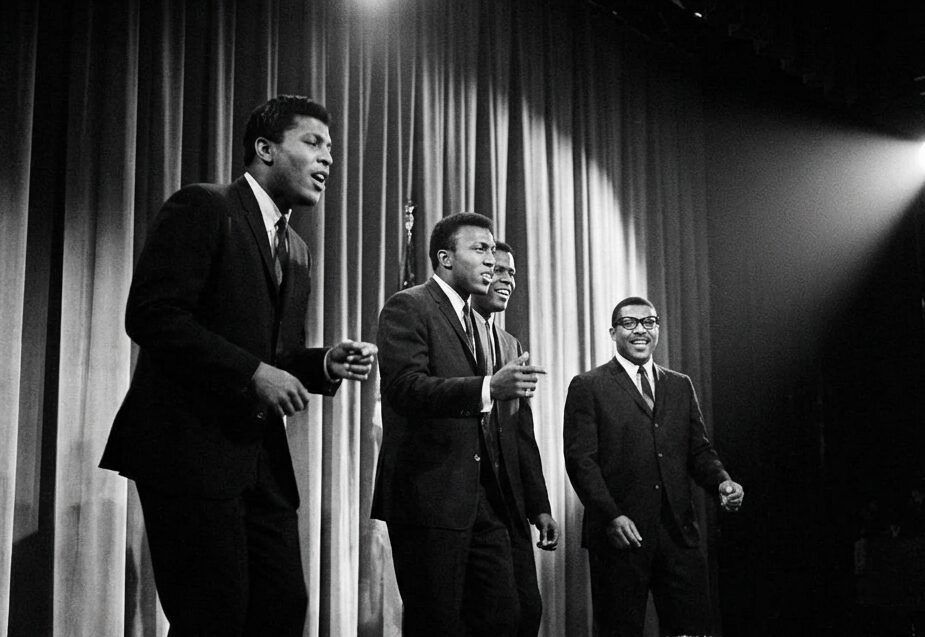
When Parris and The Five Satins recorded the song later that year, they did so far from any major studio. The session took place in the basement of a church in New Haven, Connecticut. The equipment was basic, the budget nearly nonexistent. What they did have was a room with natural echo and voices that blended effortlessly. That space gave the recording its haunting warmth—an almost sacred stillness that wrapped around the harmonies and made the song feel deeply personal.
The track didn’t explode on the charts when it was first released. Its success was quiet, steady, and fueled by listeners who felt something real when they heard it. Over time, the song took on a life far bigger than its humble beginnings. It became a slow-dance staple, a symbol of 1950s romance, and a soundtrack for memories people carried with them long after the record stopped spinning.
Decades later, In the Still of the Night found new audiences through film soundtracks, television, and countless cover versions. Each generation heard it through a different lens, yet the emotional core never changed. Artists could reinterpret the melody, but the feeling remained untouched—tender, vulnerable, and timeless.
That’s the power of music rooted in truth. It doesn’t age. It doesn’t chase trends. It waits patiently for the next listener to press play and feel seen.
If this song holds a memory for you, share it with someone who needs a reminder of how powerful simple, honest music can be—and let us know what it makes you feel.