
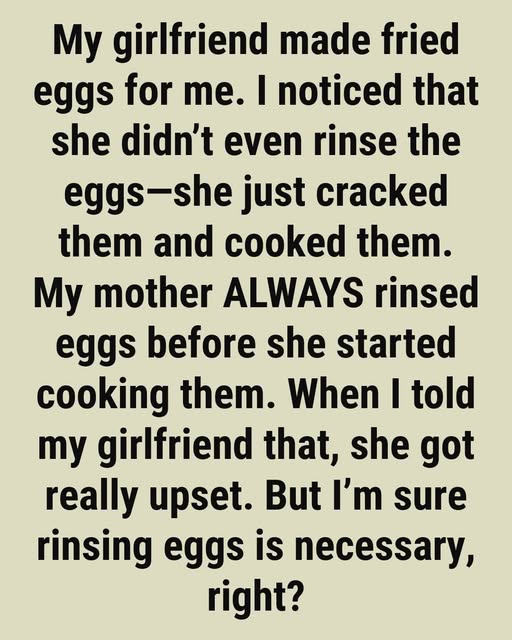
Most people crack an egg without a second thought. It’s a kitchen routine so automatic that few pause to consider the marvel inside that fragile shell. Yet eggs aren’t just containers—they’re tiny, self-protected ecosystems, honed by millions of years of evolution. Every egg arrives with a built-in defense system that modern habits can unknowingly compromise.
Fresh eggs are coated with a near-invisible layer called the cuticle, or bloom. This thin natural shield seals thousands of microscopic pores on the shell—pores designed for gas exchange, allowing a developing chick to breathe. But those same pores can let in harmful bacteria like salmonella. The cuticle’s role is simple but vital: it locks in moisture, keeps the egg’s interior safe, and blocks contaminants.
When an egg is laid, this barrier is flawless. As long as the shell remains unbroken and reasonably clean, the egg is remarkably resilient. In many parts of the world, eggs are sold unrefrigerated and unwashed, relying on biology rather than processing to ensure safety.
Trouble begins the moment water enters the picture. Washing an egg seems intuitive—water equals clean, clean equals safe. But the opposite is often true. Water strips away the cuticle almost instantly, leaving the pores exposed. Temperature differences between the egg and water can even pull bacteria inward. What seems like a hygiene step can turn into a contamination risk.
Industrial egg processing accounts for this. Commercial systems use temperature control, chemical sanitizers, and immediate refrigeration to replace the protection lost when the cuticle is removed. Without these safeguards, washed eggs become far more vulnerable.
At home, understanding the egg’s natural defense is key. A bit of dirt or straw on a shell is usually harmless. Intact eggs from healthy hens rarely carry dangerous bacteria. Handling, storage, and cooking are far more important than ritual washing. Heat is the ultimate safeguard: boiling, frying, or baking destroys pathogens, making eggs safe even if their natural barrier has been disturbed. Raw or undercooked eggs, however, remain a risk, which is why careful preparation matters.
Continue reading on next page…