
Proper Freezing Techniques
Packaging is key to preserving flavor and avoiding freezer burn:
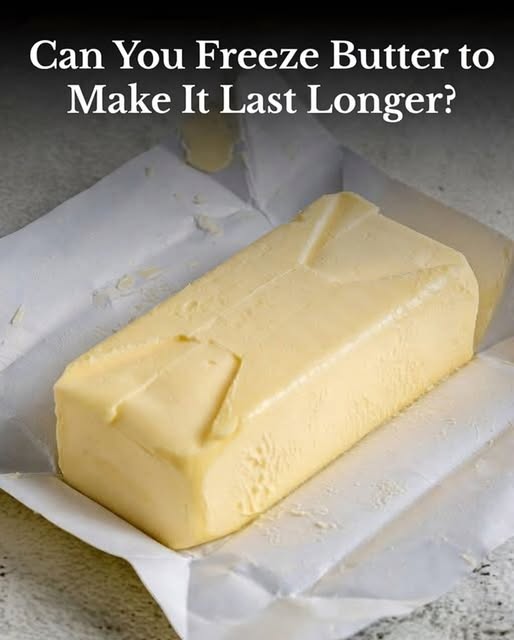
- Keep it wrapped: Leave butter in its original wrapper and add an extra layer of foil, plastic wrap, or a freezer-safe bag
- Airtight storage: For opened butter, wrap in parchment and seal in a heavy-duty freezer bag or vacuum-sealed pack
- Label and date: Always mark when it was frozen to track freshness
Proper packaging ensures butter stays flavorful, whether you’re spreading it or baking a buttery dessert.
Using Frozen Butter
How you thaw or use butter depends on your recipe:
- Refrigerator thawing: Overnight in the fridge keeps texture even
- Grate while frozen: Ideal for pie crusts, biscuits, or other recipes needing cold butter
- Quick softening: Microwave in short bursts or melt gently on the stovetop for cooking
Signs Butter Has Gone Bad
Even frozen butter isn’t eternal. Toss it if you notice:
- Sour or off smells
- Color changes
- Gritty or unusual texture after thawing
Final Takeaway
Freezing butter is a game-changer for any kitchen. It extends shelf life up to a year, preserves flavor, and gives you flexibility for cooking or baking. With simple steps—proper wrapping, airtight storage, and careful thawing—you can keep butter fresh and delicious while cutting down on waste.
Next time you stock up, freeze a few sticks—you’ll thank yourself later!
Do you have tips for freezing butter or creative ways to use frozen butter? Share your thoughts in the comments below!