
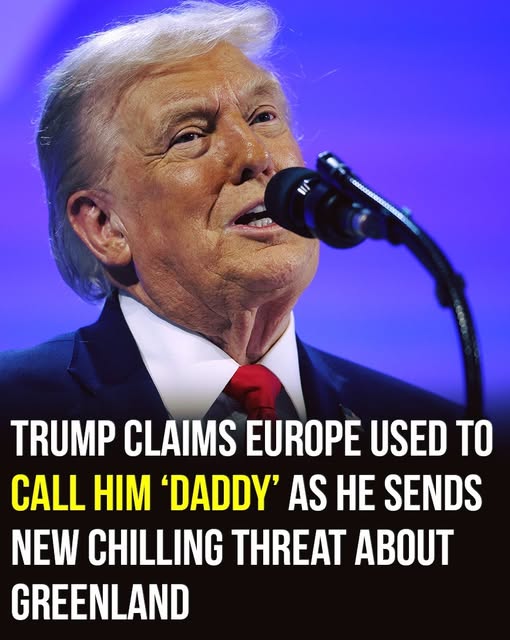
On the polished stage at the World Economic Forum in Davos, Donald Trump delivered what was nominally a policy address but functioned more like a geopolitical warning shot. The speech blurred the line between diplomacy and provocation, recasting alliances, territory, and power as personal tests of loyalty. Greenland, a vast and sparsely populated Arctic landmass, became the centerpiece—not as geography, but as leverage.
Trump spoke of Greenland not in the language of treaties or international law, but as a symbol of whether America’s allies still understood who, in his view, carried the real weight of global security. What might once have been framed as strategic interest was instead presented as a reckoning. Cooperation, he implied, was owed. Resistance would be remembered.
The tone was unmistakable. Trump mocked European leaders, portrayed them as dependent, and returned to a favorite theme: that the United States had long been exploited by allies who took protection without showing gratitude. He recounted moments when foreign officials, as he told it, had treated him with exaggerated deference, joking that they called him “daddy.” The remark drew nervous laughter in the hall, but the message underneath was sharp. Respect, in Trump’s framing, was hierarchical, not mutual.
Continue reading next page…