
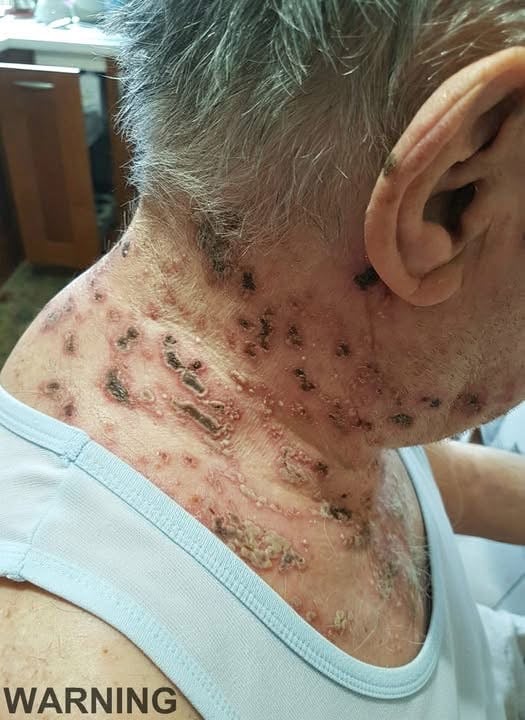
Doctors and virologists emphasize that there is a critical “golden window” for intervention. This window consists of the first 72 hours following the appearance of the physical rash. Within this timeframe, the administration of antiviral medications—such as acyclovir, valacyclovir, or famciclovir—can drastically alter the trajectory of the illness. These medications work by inhibiting viral replication, which in turn limits the extent of the nerve damage and reduces the duration of the viral shedding. When a patient starts treatment within this 72-hour period, the rash typically heals faster, the acute pain is less severe, and the risk of the virus spreading to other sensitive areas is significantly mitigated.
The urgency of this window cannot be overstated because shingles is not just a dermatological issue; it is a race against inflammation. As the virus replicates, it causes significant inflammation of the nerve fibers. If left unchecked, this inflammation can lead to permanent structural changes within the nervous system. This is why early intervention is described as “protecting the nervous system” rather than just “treating a rash.” The skin will eventually heal, but the nerves beneath it are far more fragile. For older adults, whose immune systems naturally undergo immunosenescence, or for individuals with compromised immune systems due to chemotherapy, autoimmune disorders, or chronic stress, the stakes are even higher. In these populations, the virus can be more aggressive, potentially leading to systemic complications or secondary bacterial infections of the skin.
If the 72-hour window is missed, the door swings open for the most feared complication of shingles: postherpetic neuralgia, often abbreviated as PHN. This is a condition where the nerve fibers themselves are so damaged that they send confused and exaggerated pain signals to the brain, even long after the skin has returned to a normal appearance. For those suffering from PHN, the pain is often described as burning, electric, or throbbing. In some cases, the area becomes so sensitive that even the light touch of a shirt or a gentle breeze against the skin can trigger an agonizing episode. PHN can last for months, years, or in some tragic cases, the remainder of a patient’s life. It is a leading cause of depression and sleep deprivation among the elderly, as the chronic nature of the pain erodes their quality of life and independence.
Beyond the threat of chronic pain, shingles carries specific risks depending on where the virus manifests. If the reactivation occurs along the ophthalmic nerve, it is known as herpes zoster ophthalmicus. This variant can cause painful eye inflammations, corneal scarring, and, if not treated with immediate antiviral and often steroid therapy, permanent blindness. Similarly, if the virus affects the nerves in the face or ear, it can result in Ramsay Hunt syndrome, which leads to facial paralysis and hearing loss. These outcomes are not merely possibilities; they are the documented results of “waiting to see if it gets better.” The “wait and see” approach is the greatest ally of the varicella-zoster virus.
The modern medical consensus is that education is the first line of defense. Public health initiatives now focus heavily on recognizing the early “herald” symptoms. The message to the public is clear: any unexplained, localized, one-sided pain or sensitivity should be evaluated by a healthcare professional immediately. It is far better to have a false alarm for a minor skin allergy than to ignore the early warnings of a shingles outbreak. Furthermore, the advent of highly effective vaccines, such as Shingrix, has provided a powerful tool for prevention. These vaccines “remind” the immune system how to keep the dormant virus in check, significantly reducing the likelihood of reactivation and nearly eliminating the risk of postherpetic neuralgia.
Ultimately, shingles serves as a stark reminder of the body’s long memory. The virus we encounter as children remains a passenger for life, and its resurgence is a complex battle between viral aggression and the body’s defensive timing. In the realm of infectious disease, few conditions are as time-sensitive. The difference between a week of discomfort and a lifetime of chronic nerve pain often comes down to a matter of hours. Timing isn’t just a factor in recovery—it is the determining factor of a patient’s future neurological health. By understanding the silent cues of the disease and respecting the 72-hour clinical window, individuals can transform a potentially devastating diagnosis into a manageable hurdle. The directive from the medical community remains urgent and unwavering: At the first sign of tingling, at the first sight of a cluster of red spots, do not wait. Seeking medical attention immediately is the only way to ensure the silence of this disease does not turn into a permanent scream.