
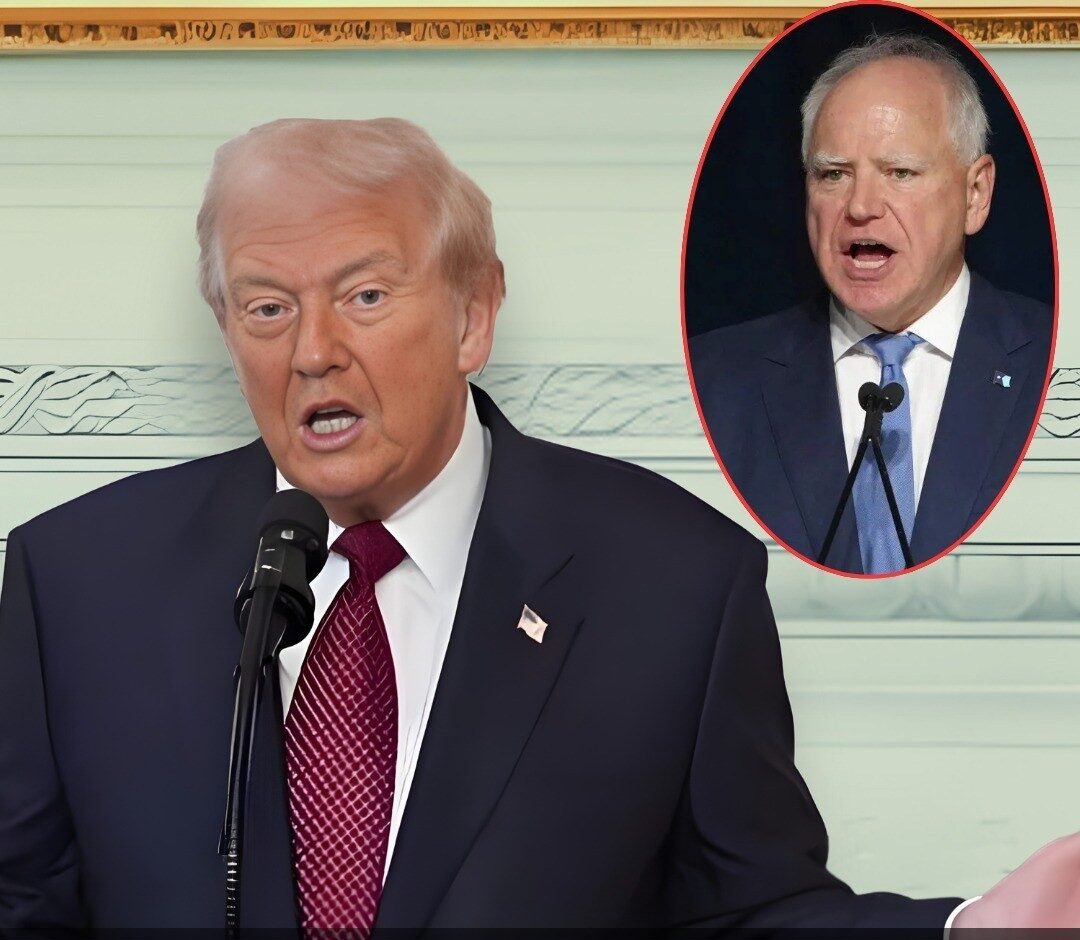
Trump’s post didn’t stop there. He accused Somali immigrants of contributing to crime and fraud in the state—claims that multiple officials and community leaders pushed back against. He also took aim at members of Congress, including Rep. Ilhan Omar, using harsh rhetoric that many said relied on racial and religious stereotypes.
The response was swift and broad. Minnesota leaders, advocacy groups, and national commentators criticized the remarks as xenophobic, divisive, and dehumanizing.
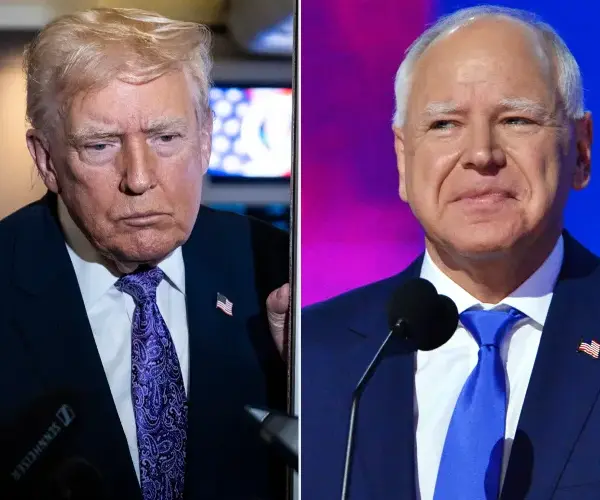
Walz’s Four-Word Response That Changed the Conversation
Rather than reply with insults, Governor Walz posted a simple message on X:
“Release the MRI results.”
With that, he flipped the storyline. The debate shifted from Trump’s targeted remarks to questions about the former president’s health, transparency, and fitness for public office.
Many observers praised the move as shrewd political strategy—concise, pointed, and calibrated to redirect attention toward unanswered questions surrounding Trump’s recent medical exam.
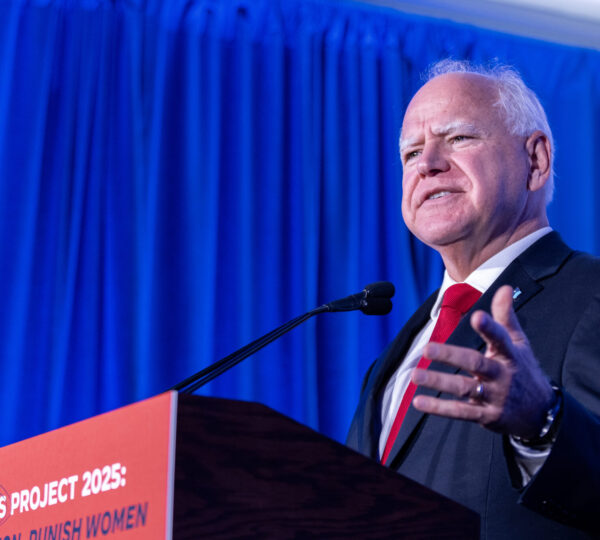
What We Know About the MRI — and What Remains a Mystery
Based on public statements, Trump underwent an MRI at Walter Reed in October 2025. Officials described the results as “perfect.”
Trump later said he wasn’t sure which part of his body had been scanned, though he insisted it wasn’t his brain, pointing to a cognitive test he claimed to have passed.
What’s still missing:
- No medical images or reports have been publicly released
- No independent confirmation exists about what the MRI evaluated
- No external medical review has been permitted
This gap in available information is at the heart of the “Release the MRI results” debate.
Why the Clash Matters — Beyond Social Media Drama
This dispute taps into several major national conversations:
Racial and religious tensions:
Minnesota’s Somali community—one of the largest in the U.S.—felt targeted. Local leaders warned against rhetoric that fuels fear and stereotypes.
Disability rights:
Use of ableist language drew strong criticism from disability-rights groups, highlighting how political rhetoric can reinforce stigma.
Leadership transparency:
Walz’s demand placed the spotlight on the responsibility of public figures to be open about their health when they hold—or seek—positions of major influence.
Political strategy:
The episode showed how a brief, well-timed statement can shift focus instantly, especially in a media environment driven by rapid reactions.
What We Still Don’t Know
At this point, several questions remain unresolved:
- What exactly the October MRI examined
- Why the full results haven’t been released
- Whether growing public pressure will lead to disclosure
- Whether the controversy will affect future campaigns, debates, or policy narratives
Why “Release the MRI Results” Resonated
Walz’s comment landed because it reframed the moment. Instead of a back-and-forth over inflammatory claims, the conversation became about accountability, fitness for leadership, and standards voters expect from public officials.
It also highlighted a contrast between rhetoric aimed at vulnerable communities and the expectation that powerful figures be transparent about their own health.
What Comes Next
Observers nationwide are watching for:
- Any release of medical information or follow-up statements from Trump’s team
- Community-level effects in Minnesota, especially among Somali-American residents
- Media coverage and political fallout as the story continues
- How this shapes broader election-year discussions about leadership, immigration, and public trust
What’s your take on this political showdown? Share your thoughts