
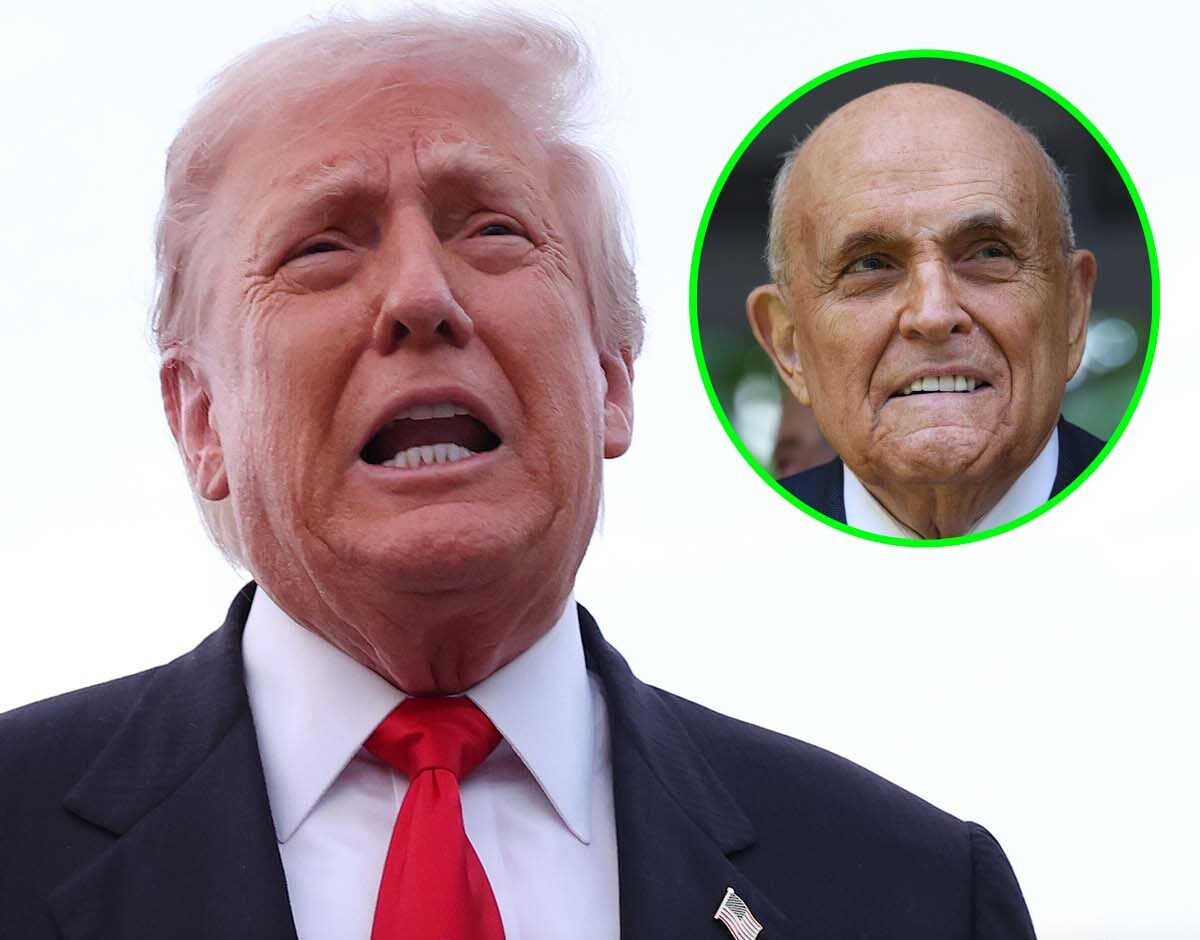
The official pardon document is sweeping in scope, covering “all United States citizens for conduct relating to the advice, creation, organization, execution, submission, support, voting activities, participation in, or advocacy for any slate or proposed slate of presidential electors,” as well as actions aimed at exposing alleged election fraud.
While primarily symbolic at the federal level, these pardons send a strong political message: Trump stands by his allies, continues to reject the legitimacy of the 2020 election results, and signals ongoing defiance against investigations and critics.
The move also sparks debate about the limits of presidential pardon power and the precedent it sets for future cases involving attempts to challenge certified election outcomes. Beyond the legal dimension, the pardons reinforce Trump’s influence over the narrative surrounding one of the most contentious elections in modern U.S. history.
What do you think? Are these pardons a powerful statement of loyalty, or a controversial move that tests the limits of executive power? Share your thoughts in the comments below!