
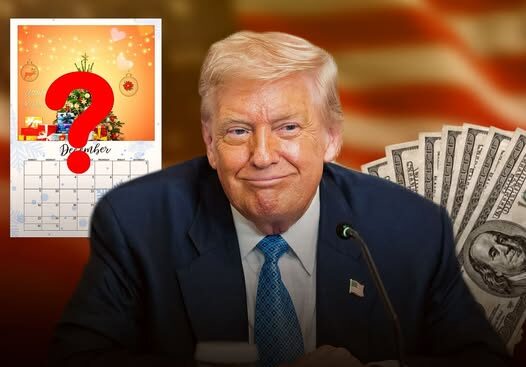
Yet the numbers tell a more nuanced story. Between April and October, import duties brought in roughly $151 billion. Even with aggressive expansion, analysts estimate the revenue could reach around $500 billion annually in the best-case scenario. By comparison, the $2,000-per-person stimulus during the pandemic cost $464 billion — showing just how ambitious Trump’s plan would be.
Legal hurdles remain even if revenue were sufficient. The Supreme Court’s review of Trump’s emergency powers could nullify the entire scheme. If the Court rules against him, billions in collected tariffs may need to be returned rather than distributed — leaving the “dividend” in limbo until at least June.
Support within the Republican Party is mixed. Ohio Senator Bernie Moreno didn’t mince words: “It’ll never pass. We’ve got $37 trillion in debt.” The blunt assessment highlights a broader concern: the promise sounds generous, but reality may not support it.
Beyond economics, tariffs serve strategic purposes. Trump uses them to pressure foreign governments, negotiate trade deals, and display strength internationally. Existing tariffs on steel, aluminum, and vehicles remain largely secure, but the broad, near-universal tariffs needed for a full dividend face the heaviest legal scrutiny.
Political timing is also key. The announcement follows disappointing Republican results in several blue-state races, where rising costs were top voter concerns. For some, the “tariff dividend” appears less like a policy blueprint and more like a clever way to energize voters.
Even critics admit the messaging is smart. “Tariff dividend” sounds innovative, populist, and empowering — even if the mechanics are murky. Trump knows how to craft a proposal that sticks, regardless of whether it survives legal or legislative challenges.
For now, Americans are left with the tricky task of separating political theater from policy reality. Headlines promising $2,000 checks are tempting, but underneath lie legal questions, mounting national debt, and an already fragile global trade environment.
The debate this move sparks will touch on deeper issues: how the country funds itself, presidential authority over trade, and the tension between campaign promises and economic reality. Whether the tariff dividend becomes law, a political gesture, or a footnote, it underscores that U.S. economic debates are no longer just numbers — they are about strategy, power, and leadership in a divided nation.
Will Trump’s tariff dividend become reality, or remain political theater? Share your thoughts in the comments below!