
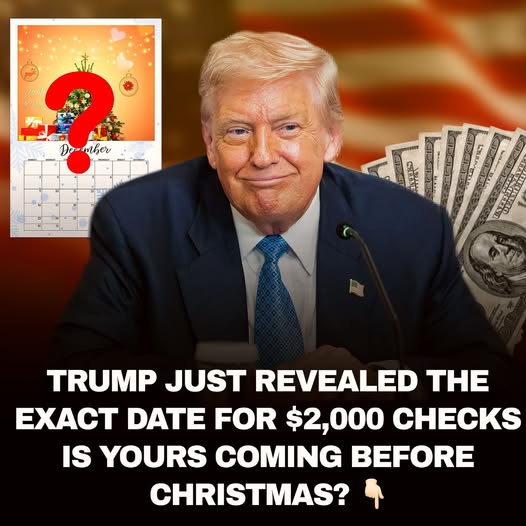
But the numbers tell a more complicated story. Between April and October, import duties pulled in roughly $151 billion. Analysts project that major expansions of these tariffs could bring in more than $500 billion annually under the most optimistic scenarios. By comparison, the $2,000-per-person stimulus payments issued during the pandemic cost around $464 billion — meaning Trump’s plan, if executed the way he describes, would require an enormous, sustained revenue stream.
And even then, revenue doesn’t mean legality. The Supreme Court’s scrutiny of Trump’s reliance on emergency powers could topple the entire structure. If the Court rules that Trump overstepped his authority, billions in collected tariffs might have to be refunded — not redistributed. A final decision is expected next June, which leaves the dividend promise hanging in legal limbo.
Even within the Republican Party, enthusiasm is mixed. Ohio Senator Bernie Moreno cut straight to the point: “It’ll never pass. We’ve got $37 trillion in debt.” That blunt assessment reflects a broader concern inside the party — namely that Trump’s offer sounds generous but doesn’t line up with the country’s financial reality.
At the same time, Trump hasn’t hidden the strategic value of tariffs beyond economics. He’s used targeted duties to pressure foreign governments, negotiate trade deals, and publicly demonstrate toughness in international disputes. Tariffs on steel, aluminum, and automobiles appear secure for now, as they fall under long-established authority. But the sweeping, near-universal tariffs at the center of this proposed dividend are the ones drawing the most legal fire.
The political context matters too. Trump’s announcement came after a bruising week for Republicans, who suffered losses in several blue-state races where voters cited rising costs as a major concern. For some analysts, the “tariff dividend” looks less like a long-term economic plan and more like a quick way to regain momentum and rally frustrated voters.
Still, even critics admit the idea is cleverly framed. The phrase “tariff dividend” sounds innovative, populist, and financially empowering — even if the mechanics behind it are murky. Trump knows how to package a proposal in a way that sticks, whether or not it survives legislative scrutiny.
As the dust settles, Americans are left with a familiar problem: separating political theater from practical governance. A headline promising $2,000 for every American is irresistible. But beneath that headline sit immense legal uncertainties, staggering national debt, and a global trade environment already strained by years of tit-for-tat tariff battles.
What’s clear is that this move forces a bigger conversation about how the country funds itself, how much power a president should have in matters of trade, and how election-season promises intersect with economic reality. Whether the tariff dividend ends up as a real policy, a political gesture, or a footnote in a turbulent era, it highlights one thing unmistakably: America’s economic debates are no longer just about numbers. They’re about identity, loyalty, leverage, and the costs of leadership in a divided nation.
For now, Americans will have to wait — for the Supreme Court’s ruling, for Congress’s response, and for Trump’s next declaration. The promise may glitter, but the truth behind it is far more complex than a social-media announcement suggests.