
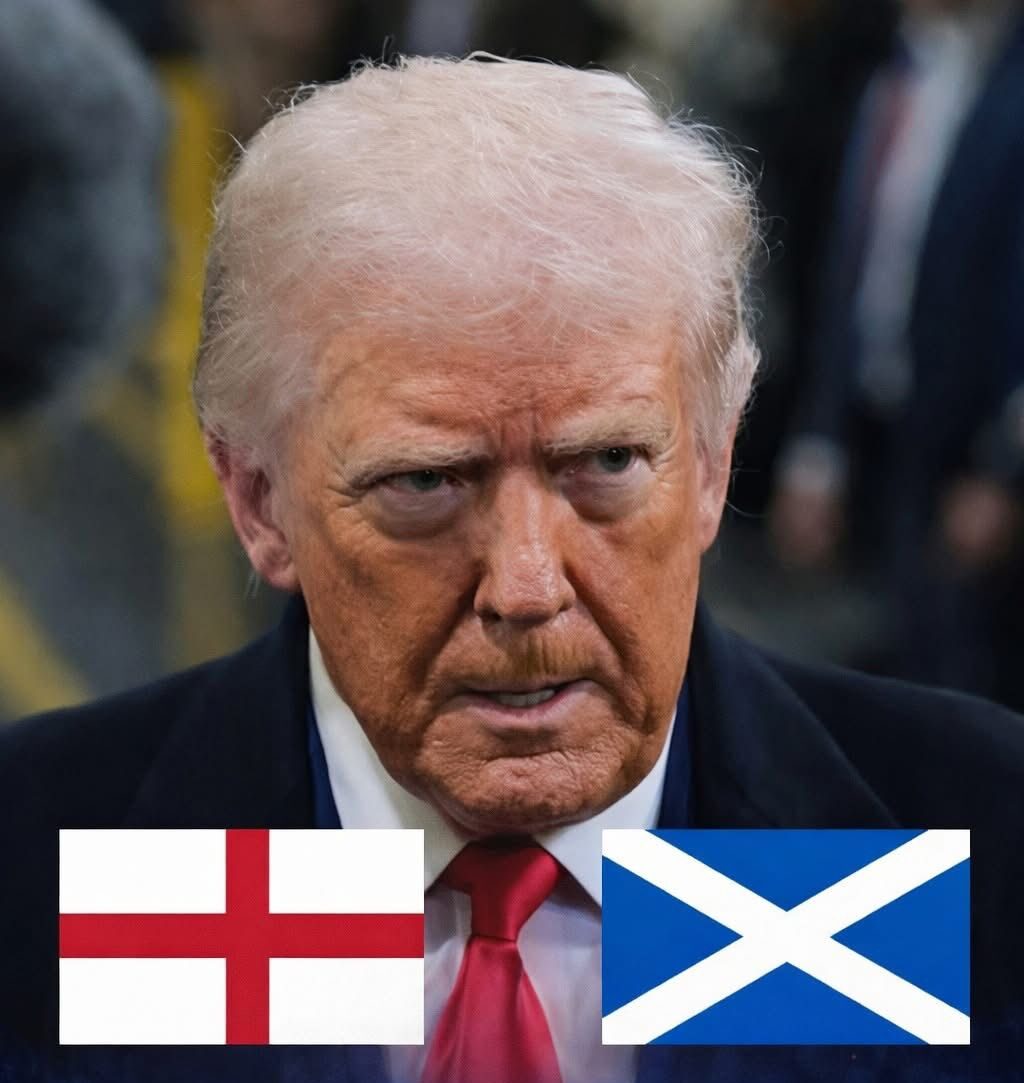
Markets reacted quickly, and diplomats even faster. European leaders pushed back, warning that trade penalties over a territorial demand risk unraveling alliances that have taken decades to build. The timing has only added fuel to the fire. With the World Cup approaching—and the U.S. co-hosting alongside Canada and Mexico—critics argue that turning a global sporting celebration into a backdrop for trade disputes undermines the spirit of international cooperation.
The United Kingdom’s inclusion has been especially controversial. British officials expressed confusion over claims of “unknown purposes” in Greenland, pointing out that Arctic research and environmental monitoring are routine and collaborative efforts. The idea that such activities could trigger trade retaliation has sparked backlash both in government circles and among the public.
While Trump has hinted broadly at national defense priorities, his current focus remains economic leverage. By linking Greenland to trade fairness and global security, he is attempting to recast a territorial acquisition concept as a modern strategic necessity. Supporters see bold leadership and foresight; critics see a destabilizing approach that challenges international norms and ignores existing Arctic governance agreements.
Across Europe, the response has been unified and firm. Leaders have condemned the rhetoric as an affront to sovereignty and self-determination, warning that pressure tactics could provoke retaliatory measures and strain the global economy. Analysts note that the situation may test European solidarity, as nations brace for possible economic fallout.
For Greenland’s people, the controversy is deeply personal. Once again, they find themselves at the center of a global debate about their future—one they insist belongs to them alone. Their message remains consistent: decisions about Greenland will be made in Greenland, not negotiated as leverage on the world stage.
As 2026 draws closer, the collision between sports, politics, and power continues to intensify. What was meant to be a celebration of unity now unfolds alongside rising diplomatic tension, proving that even the most remote places can become central to global conflict.
What do you think—strategic foresight or dangerous overreach? Share your thoughts below and join the conversation as this story continues to unfold.