
Full travel bans now apply to citizens of Afghanistan, Burma, Chad, Congo, Eritrea, Haiti, Iran, Libya, Somalia, Sudan, Yemen, Syria, and others—halting nearly all visa categories except narrow humanitarian or diplomatic exceptions. Partial restrictions affect countries like Angola, Nigeria, Tanzania, and Zambia, limiting work, student, or tourist visas. Foreign leaders have criticized the opaque evaluation process behind these restrictions.
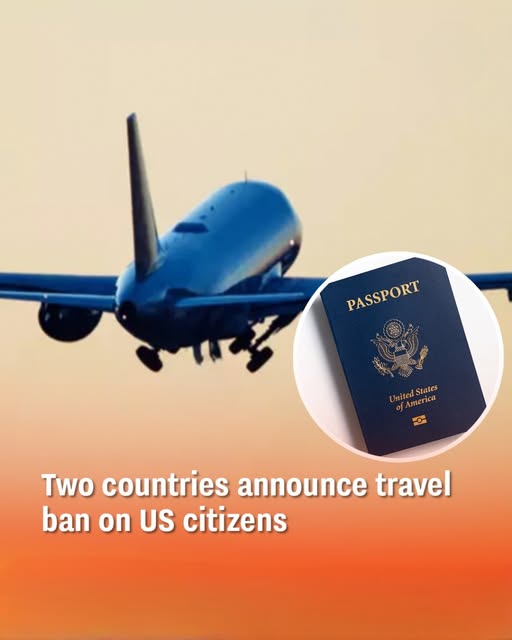
The global response was swift. Mali and Burkina Faso announced reciprocal restrictions for U.S. citizens, citing sovereignty and reciprocity. Niger declared a permanent suspension of visas for Americans, following Chad’s previous halt. These measures complicate U.S. diplomatic engagement and create headaches for aid workers, journalists, contractors, and businesses operating in the region.
Beyond travel bans, the Trump administration is rolling out expanded biometric screening at U.S. ports of entry. Enhanced facial recognition, advanced fingerprinting, and other biometric identifiers are under consideration. Officials argue these tools strengthen border security and identity verification, but civil liberties groups raise concerns about privacy, data retention, and potential misuse of personal information.
The international ripple effects are widespread. Several European countries, including the U.K. and Germany, issued travel advisories cautioning that valid visas or ESTA approval no longer guarantee entry into the U.S. Internal communications suggest additional countries could be added to the restriction list if they fail updated standards, alarming travel associations and multinational corporations that rely on predictable border policies.
Economists warn of tourism and economic impacts, as inbound travel slows. Airlines, hotels, universities, and conferences all stand to lose revenue, while reciprocal bans complicate travel for Americans abroad. Students, researchers, and professionals face planning challenges as visa rules and entry policies become unpredictable.
At its core, experts say this is about more than visas. It reflects a broader shift where security-driven travel policies collide with diplomacy, economic ties, and global cooperation. Alliances are being tested, new partnerships strained, and international mobility is increasingly a geopolitical bargaining tool.
As protests, negotiations, and legal challenges unfold, one thing is clear: predictable international travel is over. Crossing borders has become a symbol of larger geopolitical tensions, and global mobility will now depend on whether diplomacy can rein in escalating policies—or whether restrictive travel bans become a permanent fixture.
For travelers and businesses, the takeaway is simple: stay informed, plan ahead, and be prepared for a world where borders are more than lines—they’re geopolitical flashpoints.
How are these travel restrictions affecting your plans or business? Share your experiences below and join the global conversation on the new era of international mobility!