
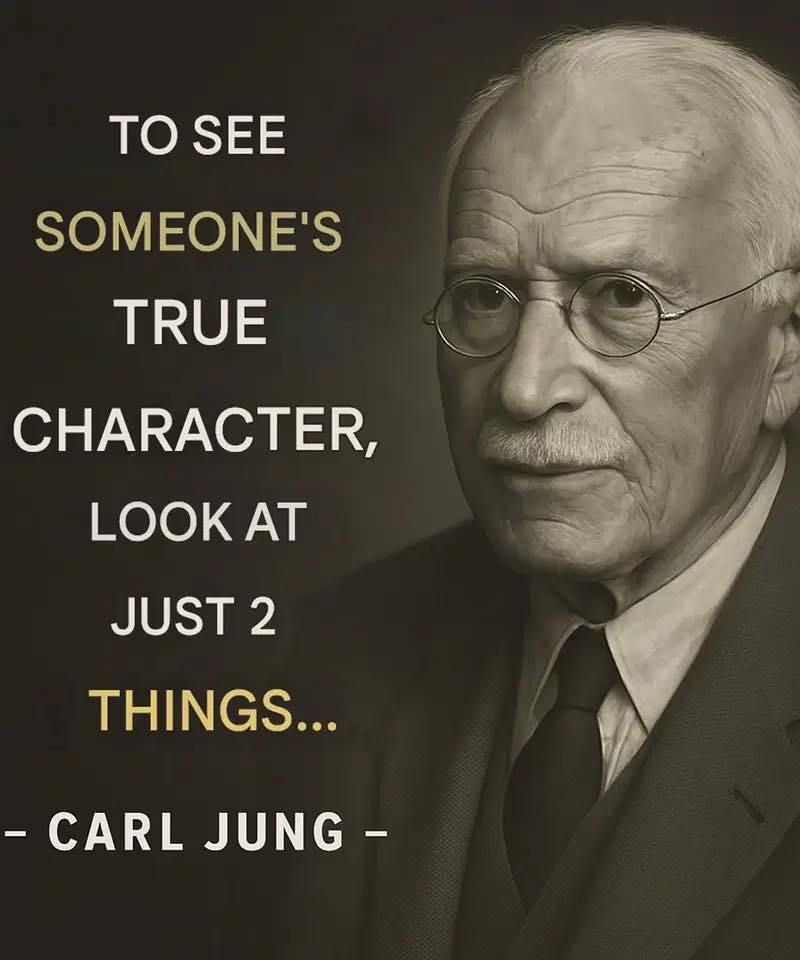
The second powerful indicator is how a person handles frustration. When life is smooth, patience is easy. But inconvenience and disappointment act like pressure tests. A delayed flight, a traffic jam, or an unexpected problem can quickly reveal emotional maturity—or the lack of it. Those who remain composed and solution-focused under stress tend to have strong self-control and humility. Those who react with anger, blame, or hostility often struggle to manage their inner world.
There are also quieter clues that speak volumes. Humor, for example, can reveal a lot. Light, inclusive humor often comes from confidence and emotional safety, while sarcasm that cuts others down may signal unresolved resentment. Pay attention as well to how someone talks about people who aren’t present. Frequent gossip or criticism usually reflects more about the speaker’s dissatisfaction than the subject of their words. Power is another giveaway: people who use authority with fairness and restraint typically value responsibility, while those who misuse it often prioritize ego.
With time and experience, these patterns become hard to ignore. We learn that words are easy, promises are flexible, but behavior—especially repeated behavior—rarely lies. In a culture focused on image and performance, character remains one thing that cannot be staged. It shows up in small choices, quiet reactions, and moments no one thinks are being watched.
By noticing these subtle but powerful signs, we become better judges of trust—and more aware of our own growth along the way. True character is what remains when attention fades and circumstances get difficult.
What signs do you look for when deciding who to trust? Share your thoughts and pass this along to someone who might find it useful.