

- Puberty blockers to delay physical changes during adolescence
- Hormone therapies like estrogen or testosterone
- Gender‑affirming surgeries altering physical traits
Limited exceptions exist for rare genetic conditions or medical emergencies unrelated to gender identity. Importantly, minors receiving care would not face criminal charges — only providers could be prosecuted. The bill also revises existing federal law on female genital mutilation (FGM) to clarify legal protections for minors.
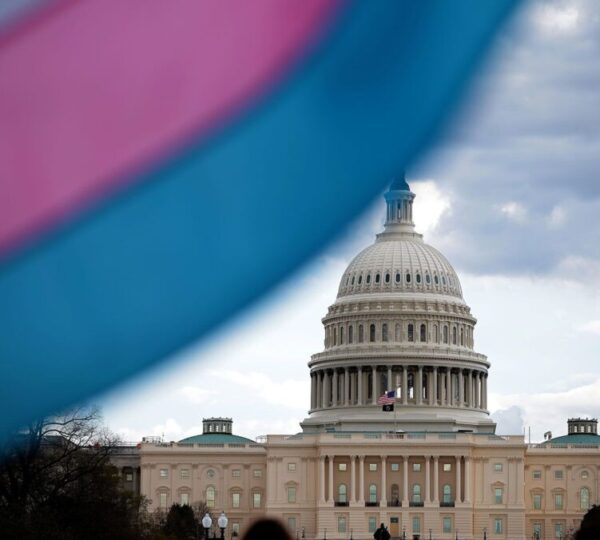
Political Dynamics
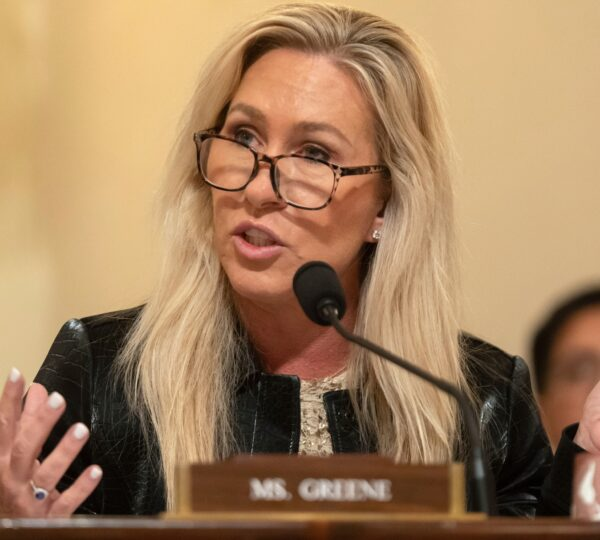
The bill was introduced by Rep. Marjorie Taylor Greene (R‑GA), a longtime opponent of gender‑affirming care for youth. She secured a floor vote by agreeing to support the National Defense Authorization Act in exchange. Almost all Republicans voted in favor, while most Democrats opposed it. A few lawmakers crossed party lines, reflecting the narrow, partisan split that defines today’s House.
Greene and allies frame the legislation as a moral imperative to safeguard children, claiming that gender‑affirming care is potentially harmful and premature for minors. They argue the bill preserves childhood innocence and prevents medical interventions influenced by ideology.

Opposition and Criticism
Medical associations, civil rights groups, and Democratic lawmakers have strongly opposed the measure. Experts from the American Medical Association, American Psychological Association, and American Academy of Pediatrics support gender‑affirming care as part of individualized treatment for youth under professional guidance.

Critics warn that criminalizing care could worsen mental health outcomes for vulnerable adolescents and undermine doctor‑patient relationships. Democratic leaders argue the bill is ideologically driven, disproportionately targets transgender youth, and erodes parental rights. The ACLU has pledged legal challenges, calling the bill unconstitutional and emphasizing concerns over unequal enforcement.
Broader Context
This federal move aligns with a larger wave of legislation at the state level. Over two dozen states have restricted gender‑affirming care, with some imposing felony charges. Regulatory changes under Medicare and Medicaid are also being explored, signaling a continued national focus on access to care for transgender minors.
Public Reaction and Next Steps
The bill’s passage has ignited nationwide discussion, from social media debates to advocacy campaigns. Supporters argue it protects minors, while opponents condemn it as overreach. The Senate vote remains uncertain, requiring 60 votes to pass, leaving the measure’s ultimate fate unclear.
Conclusion
The House approval of the Protect Children’s Innocence Act marks a major flashpoint in the ongoing debate over transgender healthcare in the U.S. Supporters frame it as child protection, while critics see it as a federal overreach into deeply personal medical decisions. Whether the bill moves forward or stalls, it underscores the intense cultural and political divisions shaping LGBTQ+ rights today.
Stay informed and join the conversation — understanding the debate around gender‑affirming care is key to shaping a future that respects both youth and families.