
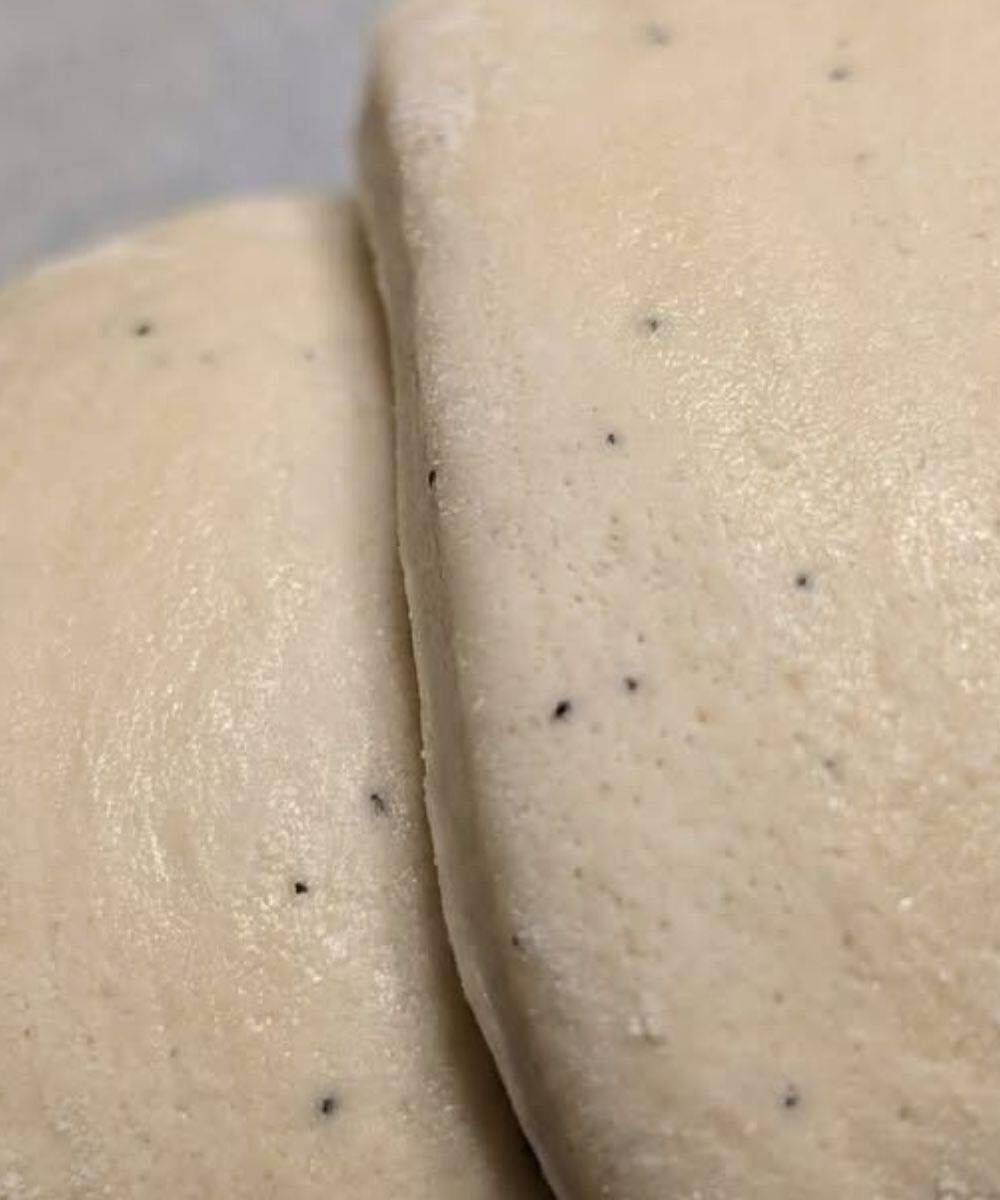
What Small Black Dots on Puff Pastry Really Mean
Noticing tiny black specks on puff pastry can be surprising, especially when you’re preparing a meal. It’s natural to wonder whether the dough is still fresh or if something is wrong. The good news is that in many situations, these small dots are completely harmless and do not automatically mean the pastry has spoiled.
Before deciding to discard it, take a closer look at the overall condition. A simple inspection can help you determine whether the pastry is safe to use.
First Check: Look for Signs of Mold
The most important step is to rule out mold. Mold typically appears fuzzy, raised, or uneven. It may look green, blue, or white and can spread across the surface. In some cases, it may also produce a sour or musty smell.
If you notice these signs, it’s safest to throw the pastry away. When it comes to food safety, it’s always better to be cautious.
How to Tell Harmless Specks from Spoilage
Not all dark dots indicate a problem. Safe specks are usually flat, dry, and evenly distributed. They don’t feel soft, moist, or fuzzy when touched.
Unlike mold, these marks do not grow, spread, or change over time. The pastry should still smell normal and maintain its usual texture. If everything else looks and smells fresh, the dots are likely harmless.
Natural Ingredients Can Cause Dark Spots
One common reason for small black specks is the type of flour used. Less refined flour, such as stone-ground varieties, can contain tiny grain particles. These naturally occurring fragments may appear darker and become visible in the dough.
Although they stand out visually, they are completely safe and do not affect the quality or taste of the pastry. In some cases, they simply reflect a more traditional preparation method.
Butter and Baking Reactions
Another possible cause involves the butter in puff pastry. During baking, butter’s milk solids can brown slightly due to heat. This natural process may create small dark spots within the layers.
This reaction can enhance flavor, adding a richer and slightly nutty taste. These marks are part of normal baking chemistry and do not indicate spoilage.
Storage and Freezing Effects
How puff pastry is stored can also influence its appearance. Over time, freezer storage may cause minor discoloration due to exposure to air. This process, known as oxidation, can lead to subtle visual changes.
Repeated thawing and refreezing can increase these effects. As long as there are no signs of mold, bad odor, or unusual texture, the pastry may still be safe to use.
Continue reading on the next page…