
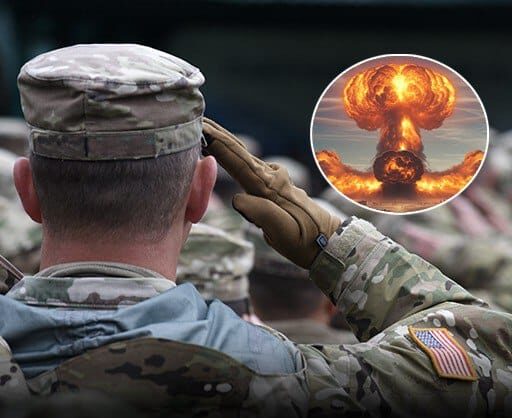
Rising global tensions have reignited conversations about a potential military draft in the United States. While conscription hasn’t been active for over 50 years, the legal framework is still intact, and growing international instability has many wondering how a draft could work if ever reinstated.
Why the Topic Is Back in the Spotlight
Recent developments around the world have heightened concerns. The prolonged war in Eastern Europe between Ukraine and Russia has strained East-West relations like never before since the Cold War. Meanwhile, military activity in the Middle East—especially involving the U.S., Israel, and Iran—has fueled fears of regional escalation.
Experts also point to new risks from cyberwarfare, AI-driven weapons, and autonomous military systems, warning that modern conflicts could escalate rapidly. Public surveys show that many Americans believe a large-scale global conflict is possible within the next decade, with some even worried about the role of nuclear weapons.
Could the U.S. Actually Reinstate the Draft?
The draft officially ended in 1973, shifting the military to an all-volunteer force. However, the Selective Service System remains active, keeping a registry of individuals who could be called to serve if needed.
Currently, most men aged 18 to 25 are required to register. Registration doesn’t mean you’ll be drafted—it simply allows the government to have a pool of potential recruits ready in an emergency. Failing to register carries fines and possible jail time. By 2026, registration is expected to become automatic through federal data systems, making enforcement more streamlined.
Continue reading on the next page…