
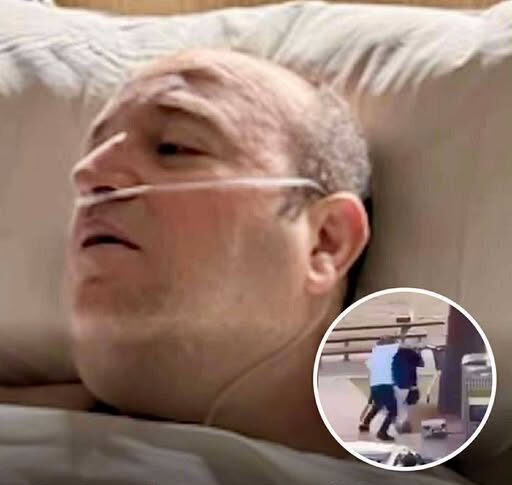
He acted without training, authority, or protection—just instinct. And he did so knowing another armed individual was nearby. Despite being injured during the confrontation, Al-Ahmed stayed on his feet long enough to make sure the weapon was no longer a danger. The image of him standing wounded but composed has since become one of the defining moments of the attack.
As the scale of his injuries became clearer, public support surged. A crowdfunding campaign launched in his name has raised more than $1.2 million, fueled by donations from around the world. Momentum grew after a major contribution from U.S. billionaire Bill Ackman brought international attention to Al-Ahmed’s recovery. The response reflected a shared recognition of the price he paid for stepping forward.
Despite everything, those close to him say Al-Ahmed has expressed no regret. He has reportedly said he would do the same thing again—a statement that has only deepened public admiration, while also highlighting the personal cost carried by everyday people who act in extraordinary moments.
New South Wales Premier Chris Minns visited him in hospital, publicly praising his courage and selflessness. Images from the visit quickly spread online, cementing Al-Ahmed’s place as a symbol of resilience and community spirit.
But behind the praise is a more difficult truth. Recovery from multiple gunshot wounds, especially those involving nerve trauma, can take years. Loss of sensation may never fully resolve. Rehabilitation, pain management, and emotional recovery are long, demanding processes that continue long after public attention fades.
For his family, the uncertainty is heavy. As a business owner and father of two young children, questions remain about his ability to work and return to normal life. Friends say the sudden spotlight, combined with serious injuries, has added stress during a time when rest and privacy are essential.
As Australia continues to process the tragedy, Al-Ahmed’s recovery has become a powerful reminder that heroism doesn’t end when danger passes. It continues in hospital rooms, operating theaters, and long rehabilitation days—out of sight, but no less real.
Ahmed Al-Ahmed will be remembered as the man who acted when others couldn’t. But his story is also a reminder that courage often comes with a lasting cost—one paid long after the moment that made him a hero.
What are your thoughts on everyday people stepping into danger to protect others? Share your perspective below and join the conversation.