
I didn’t go to the animal shelter searching for joy. I went looking for something gentler and far more difficult to explain—a goodbye I could accept ahead of time. A limited kind of love. Because carrying love with nowhere to place it had started to feel heavier than eventual loss.
When the shelter staff explained that the dog I was asking about was enrolled in their hospice adoption program—and that she likely had only a few weeks, perhaps a couple of months—I nodded calmly. I believed I understood. I told myself I was prepared. I wasn’t.
From the outside, my husband Daniel and I seemed settled. Steady careers. A modest, well-maintained home. Predictable routines. Courteous conversations with neighbors. Nothing appeared broken. But inside our house, something important had slowly gone missing, so gradually that we didn’t notice when the quiet stopped being temporary and became permanent.
For years, we shared the same expectations about the future. Then we shared the same disappointments. At first, we talked through everything—appointments, schedules, optimism that felt almost strategic. We believed persistence would eventually be rewarded. But hope doesn’t always collapse loudly. Sometimes it just fades. One day you realize certain words haven’t been spoken in months. Another day entire sections of life quietly disappear. Even grief, given enough time, becomes silent.
Like many couples trying to avoid emotional emptiness, we filled our days. Longer work hours. Extra chores. Television that played in the background. Dinners spent discussing logistics instead of feelings. We weren’t miserable. We were emotionally paused.
When I suggested adopting a dog, Daniel hesitated. He said he didn’t want disruption. No noise, no mess, no new attachment that could end painfully. I suggested we simply visit the shelter. Just to look. No decisions.
Animal shelters are overwhelming by design—echoing sounds, restless energy, dogs pressing against kennel doors, hoping to be chosen. Daniel stayed close to the entrance, already guarded.
Then we saw Daisy.
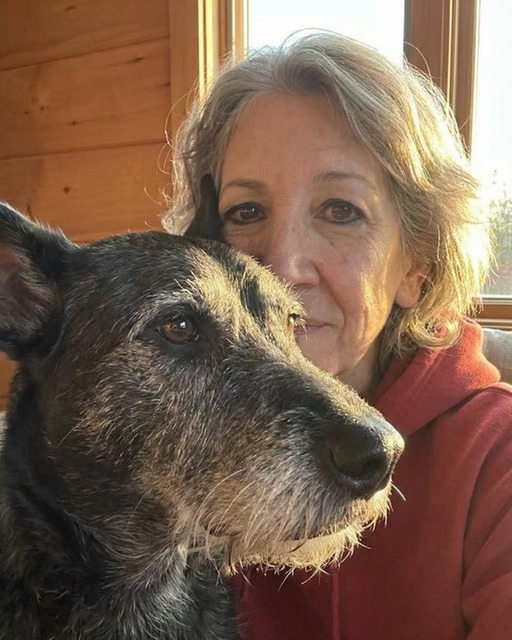
She lay tucked into a shadowed corner. Small. Frail. Still. Not calm—accepting. Her fur was thin and gray, her eyes tired but alert. When I knelt beside her kennel, she didn’t rush forward. She slowly lifted her head, studied me, and gently tapped her tail against the floor. Once. Then again. As if choosing carefully.
The volunteer spoke softly. Daisy was twelve years old. Chronically ill. Hospice adoption only. They hoped she could spend her remaining time in a peaceful home. Daniel shook his head immediately. “We can’t do this,” he said quietly. “It’s too painful.”
I didn’t argue. I opened the kennel door and sat on the floor. Daisy leaned against my leg with quiet certainty. She felt delicate—but grounded. I remember thinking how something so fragile could feel so sure.
We brought her home that same day.
There was no dramatic change. No playful chaos. Daisy didn’t bark or chase toys. She slept. She drank water slowly. She followed us from room to room, as if confirming we were still there.
And somehow, that changed everything.
Our routine adjusted around her senior dog care needs. Short morning walks. Calm evenings on the couch with her resting between us. Daniel woke early to give her medication before work. I talked to her while cooking, sharing thoughts that didn’t need replies. She listened like time mattered.
The house felt different. Not louder—warmer. The silence didn’t disappear, but it softened. It became shared instead of isolating.
Daniel surprised me most. He had been the one most afraid of adopting a hospice pet, yet I often found him sitting on the floor beside Daisy, forehead resting against hers, whispering words meant only for her. I never asked what he said. Some moments don’t need explanation.
As the weeks passed, Daisy slowed. Her steps shortened. Her appetite faded. But her need for closeness never did. If one of us left the room, she followed. If we sat apart, she positioned herself between us, refusing to let distance exist.
We started talking again. Not about the future we didn’t have. Not about the dreams that didn’t happen. We talked about small things. About Daisy. About memories we had avoided because they hurt too much to carry alone.
When the day arrived, it was both peaceful and devastating. The veterinarian came to our home. Daisy lay on her favorite blanket, her head in Daniel’s lap, my hand resting on her chest, counting breaths that were about to end. I expected grief to tear something open beyond repair.
Instead, when it was over, we held each other. For a long time. Not only because she was gone—but because she had been here.
The house grew quiet again. But it wasn’t empty.
Her bowls stayed out for a while. Her blanket remained on the couch. We didn’t rush to erase her presence. Love doesn’t disappear when a life ends.
Eventually, we adopted another rescue dog. Not as a replacement—but as a continuation. Our lives didn’t become perfect. Grief didn’t vanish. But the house remembered how to breathe.
Daisy was never meant to stay long. She didn’t come to fix us. Yet by choosing to love a senior rescue dog we knew we would lose, we remembered how to live with open hearts.
She didn’t give us what we thought we were missing.
She gave us back the parts of ourselves we had quietly set aside.
And sometimes, that’s the gift you don’t realize you’re asking for.