
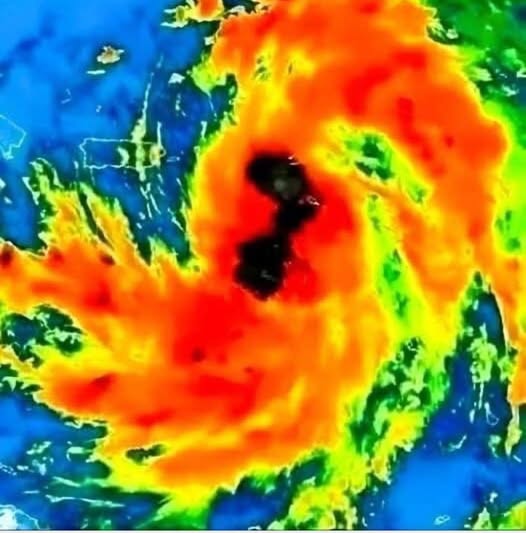
Multiple Extreme Weather Events Converge Across the Caribbean and Southeast U.S., Raising Alarm
An unusual and challenging convergence of extreme natural events is unfolding across the Caribbean and the southeastern United States, placing immense pressure on communities, forecasters, and emergency systems. Rather than facing a single isolated threat, the region is contending with several hazards at the same time—seismic activity, severe flooding, airborne Saharan dust, and the growing risk of tropical storms.
The sequence began with an earthquake near Trinidad that sent tremors through surrounding areas. While major damage was avoided, the quake unsettled residents and added stress to a region already preparing for an active weather season. Even relatively moderate seismic events can heighten fear when they occur alongside broader environmental uncertainty, and many locals reported ongoing unease in the hours that followed.
Meanwhile, parts of Central America have been overwhelmed by prolonged and intense rainfall. Rivers have overflowed, streets have turned into canals, and entire neighborhoods have been forced to evacuate. In some locations, boats are now the primary mode of transportation, as roads and bridges have been damaged or washed away. Power outages and communication disruptions have left some communities isolated and heavily reliant on emergency assistance.
Rescue and relief crews have been working continuously, but the scale of flooding has made response efforts difficult. Shelters are filling rapidly, and what began as short-term evacuations are turning into longer periods of displacement. With water levels remaining high and forecasts offering limited relief, both residents and responders are showing signs of fatigue.
Continue reading on the next page…