
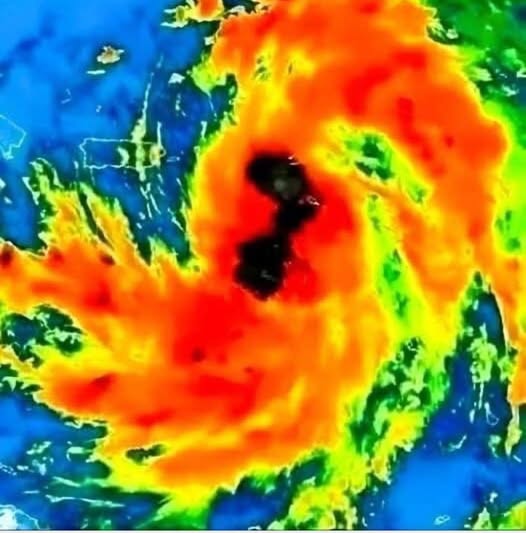
Compounding these challenges, a large plume of Saharan dust has spread across the Caribbean, reducing visibility and degrading air quality. Skies have taken on a hazy appearance, and fine dust has settled on buildings and vehicles. Health officials have issued advisories urging people with respiratory conditions to stay indoors, as clinics report an increase in breathing-related complaints and eye irritation.
The dust has also affected transportation, particularly aviation, as reduced visibility forces airlines and pilots to adjust operations. For many residents, the dust represents an added layer of stress at a time when communities are already coping with flooding and infrastructure disruptions.
At the same time, meteorologists are closely monitoring the Atlantic, where warm ocean temperatures and favorable conditions are increasing concern about tropical development. Tropical Storm Flossie and several other disturbances are under observation, with the potential to bring heavy rain, strong winds, and coastal impacts if they intensify.
Experts warn that already saturated ground across parts of the region means even modest additional rainfall could trigger flash flooding or landslides. Coastal areas face heightened risks as well, especially if storms coincide with high tides and push water inland.
What makes this period particularly challenging is the overlap of hazards. Emergency services are being stretched across multiple fronts—responding to floods, preparing for storms, and addressing health impacts linked to air quality. Hospitals are balancing routine care with weather-related concerns, while communication systems work to keep pace with rapidly changing conditions.
Officials emphasize preparedness over panic. Residents are encouraged to stay informed through trusted weather updates, prepare emergency supplies, safeguard important documents, and assist neighbors who may need extra support. Community cooperation, authorities say, is as critical as physical infrastructure during prolonged emergencies.
As forecasts continue to evolve, uncertainty remains high. Meteorologists and emergency managers are adjusting plans in real time, while communities hope for calmer conditions that will allow recovery efforts to move forward. This convergence of events highlights how interconnected environmental risks have become—and how resilience is increasingly essential.