
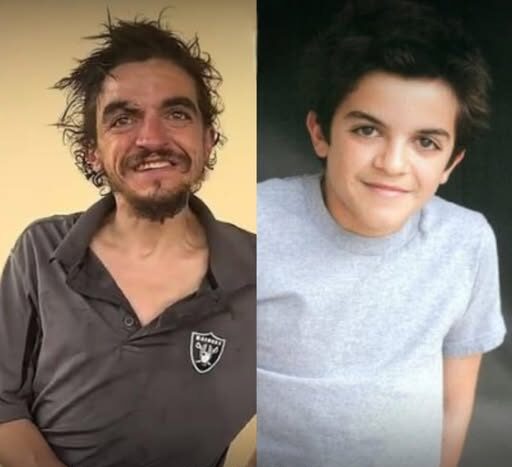
A Real-Life Reunion That Meant Something
What happened next felt like something straight out of the show itself. Tylor’s former co-stars didn’t just post online support—they showed up. Daniel Curtis Lee, known to fans as Cookie, personally went to find Tylor, shared a meal with him, and helped secure a hotel room so he could get off the streets. Devon Werkheiser, who played Ned, reached out via video call to remind him he wasn’t forgotten. It wasn’t performative—it was genuine friendship, decades later.
A Mother’s Honest Reality Check
As fans rushed to suggest fundraising campaigns, Tylor’s mother offered an important clarification. She shared that her son has been living with Bipolar Disorder and emphasized that financial donations alone aren’t a long-term solution. According to her, meaningful help requires medical care, legal coordination, and structured support—not just quick cash. The family has asked for privacy as they focus on getting him the help he needs.
Why This Story Resonates
This isn’t just a story about a former TV star—it’s a reflection of larger issues surrounding mental health, homelessness, and how society treats people once their usefulness to entertainment ends. The overwhelming response online proves something important: even if someone feels invisible, they may still be deeply remembered and cared for.
Tylor Chase’s story reminds us that behind every nostalgic character is a real person, still living, still struggling, and still deserving of dignity.
If this story moved you, take a moment to check in on someone you care about—or share this to keep the conversation about mental health and compassion going. Awareness can be a powerful first step.