
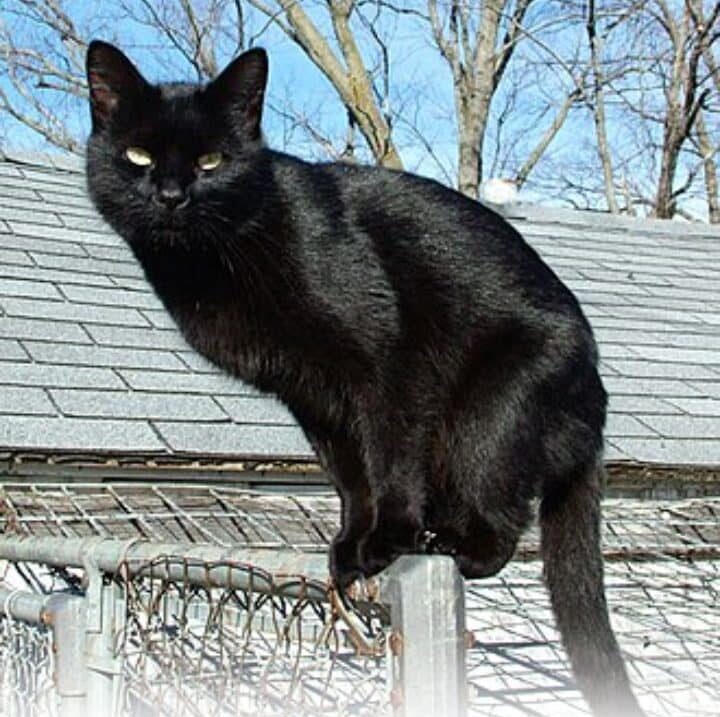
In spiritual traditions that emphasize energy rather than superstition, black cats are often viewed as protectors. They are believed to absorb or transform negative energy, acting as silent sentinels within a home. Whether taken literally or metaphorically, this interpretation highlights the feline ability to inhabit a space without demanding it—a presence that is calm, grounding, and quietly alert.
More broadly, when a cat—black or otherwise—enters one’s life, it often embodies lessons about autonomy, boundaries, and self-respect. Unlike animals bred for obedience, cats choose their relationships. They stay because they want to, not because they must. Their presence can serve as a living reminder to value freedom, patience, and mutual respect.
Historically, the practical benefits of cats reinforced their symbolic significance. In agrarian societies, cats protected food stores by hunting rodents and other small pests, preventing disease and famine. Households with cats fared better, not because of magic, but because cats played a crucial role in survival. Over time, this practical advantage evolved into symbolic meaning: cats became associated with prosperity, protection, and good fortune. Their meticulous grooming habits—seen as signs of purity and balance—further cemented their reputation as creatures that bring harmony to a home.
The black coat, in particular, became a canvas onto which humans projected meaning. Darkness has always carried symbolic weight, sometimes feared, sometimes revered. Where fear dominated, black cats were cast as omens of misfortune; where wisdom and observation prevailed, they were seen as protectors, guides, or symbols of hidden strength.
Today, many people have reclaimed the black cat’s image. Rather than representing bad luck, black cats are increasingly celebrated as symbols of resilience, elegance, and quiet confidence. Their presence often feels intentional, as if they choose their humans rather than the other way around. Their sleek coats, mysterious demeanor, and piercing eyes have become markers of beauty, individuality, and grace.
Ultimately, the meaning of meeting a black cat reflects more about the observer than the animal. Fear creates omens; understanding fosters appreciation. When stripped of superstition, a black cat is simply a cat—curious, intelligent, independent, and capable of forming deep bonds with those who treat it with care.
If a black cat crosses your path or steps into your home, it does not bring misfortune. It brings possibility—perhaps companionship, perhaps responsibility if it needs help, or perhaps just a quiet moment to reflect on why myths endure. In the end, black cats are not symbols of darkness or danger; they are a living reminder of how fear can distort perception and how empathy, knowledge, and respect can transform it.