
But that energy spike comes at a cost.
Because bananas contain very little protein and almost no fat, there’s nothing to slow digestion or stabilize blood sugar. Insulin kicks in rapidly to clear the sugar from your bloodstream, and for many people, that leads to a crash soon after. Hunger returns early. Focus dips. Cravings for coffee or sweets creep in before mid-morning.
This explains why bananas feel amazing for some people and disappointing for others. Context matters. If you’re heading out for a workout, that fast energy can be useful. If you’re sitting at a desk for hours, the crash is far more likely.
Nutrition experts aren’t telling people to stop eating bananas—they’re advising against treating them as a complete breakfast. A banana works best as a supporting player, not the main event.
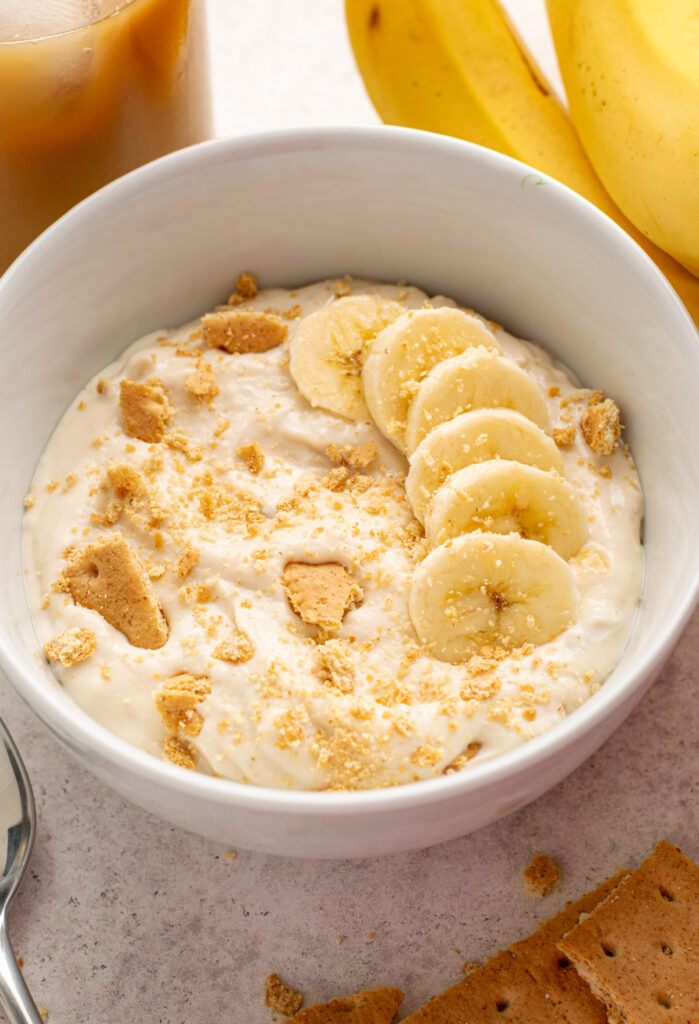
Pairing a banana with protein or healthy fats changes everything. Add Greek yogurt, eggs, cottage cheese, or nut butter, and digestion slows down. Protein helps regulate blood sugar and supports sustained mental and physical energy. Healthy fats increase satiety and prevent sharp energy drops. Instead of a spike and crash, you get steady fuel that lasts.
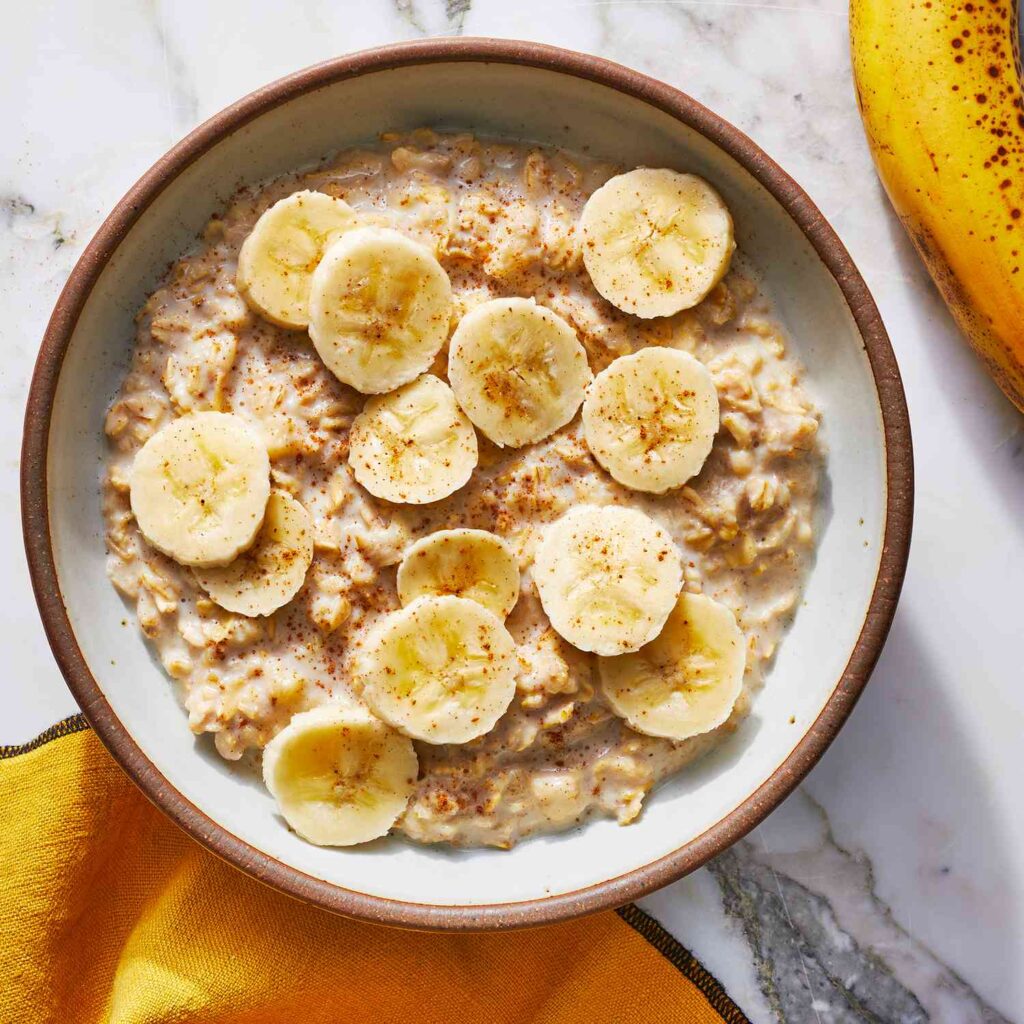
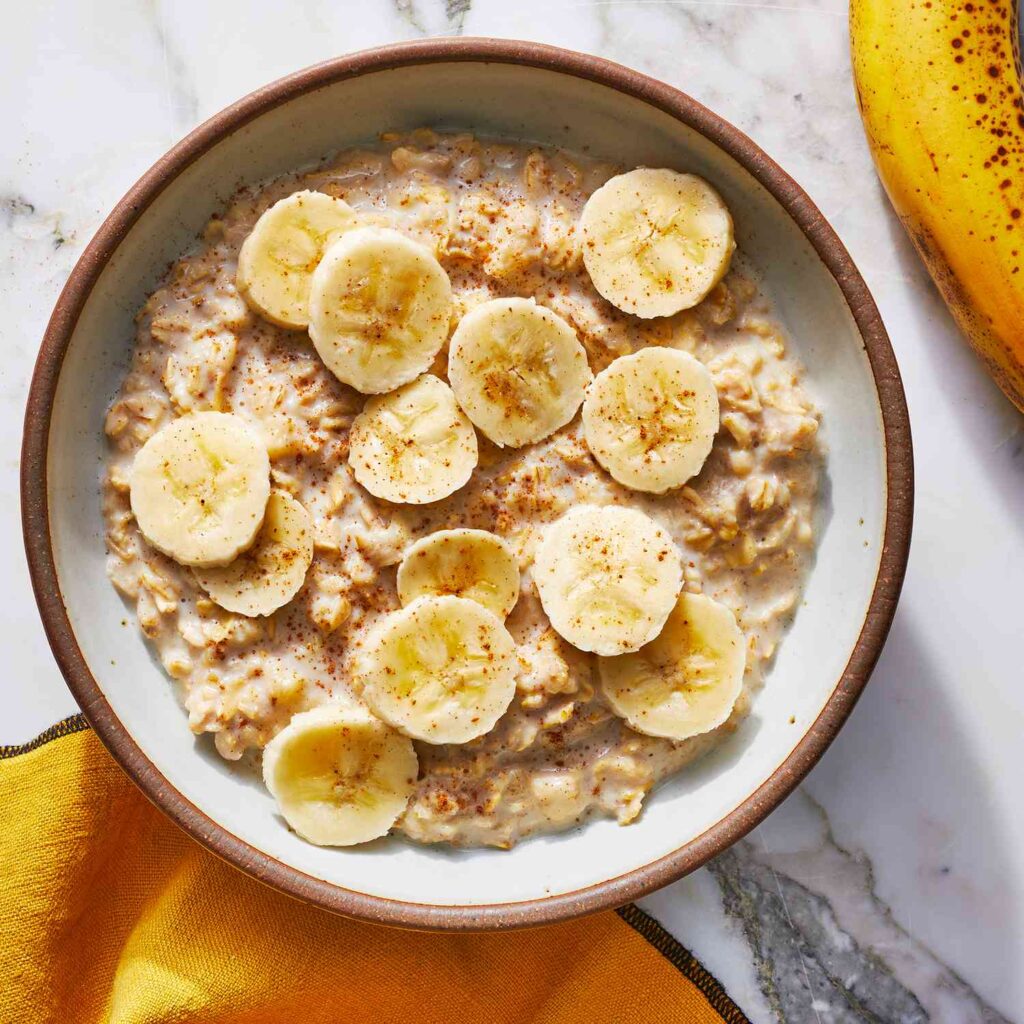
Whole grains are another smart pairing. Oatmeal, for example, contains soluble fiber that slows carbohydrate absorption. Adding banana slices to oats turns quick sugar into long-lasting energy. Even simple combinations—like a hard-boiled egg eaten alongside a banana—can dramatically improve how your body responds.
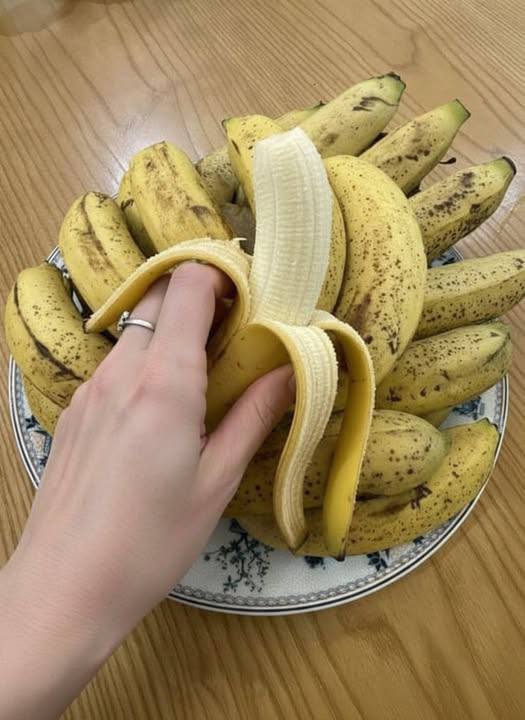
Ripeness also matters. Slightly green bananas contain more resistant starch, which behaves more like fiber and leads to a slower rise in blood sugar. As bananas ripen and develop brown spots, that starch converts into sugar. Riper bananas are easier to digest and rich in antioxidants, but they raise blood sugar faster when eaten alone.
If you’re sensitive to energy swings, choosing a banana that’s yellow with a hint of green—or pairing a ripe one with protein—is a smarter move.
So is a banana a good breakfast? It depends. For active mornings, it can be efficient fuel. For sedentary days, it may fall short on its own. Nutrition isn’t one-size-fits-all, and your body’s response is the best guide.
If a solo banana leaves you energized and satisfied, it may work for you. If it leaves you hungry or foggy an hour later, that’s useful information—not failure. Your body is simply asking for balance.
With the right pairings, bananas remain one of the most accessible and nutrient-dense fruits available. The key isn’t avoiding them—it’s using them wisely.
Do you eat bananas for breakfast? Try pairing them differently and see how your energy changes—then share your experience in the comments.