
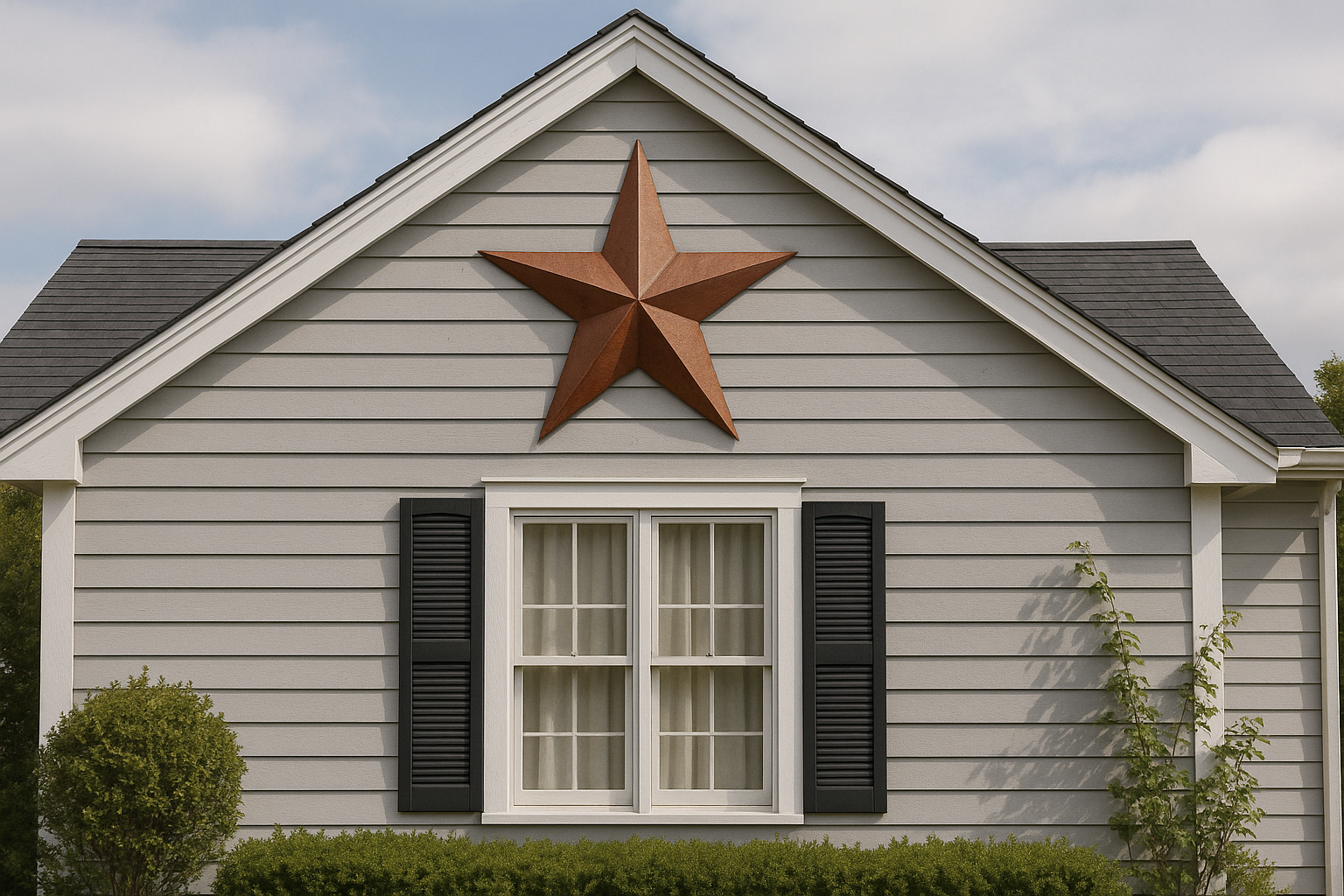
The Real Meaning: Traditional “Barn Stars” and American Folk Heritage
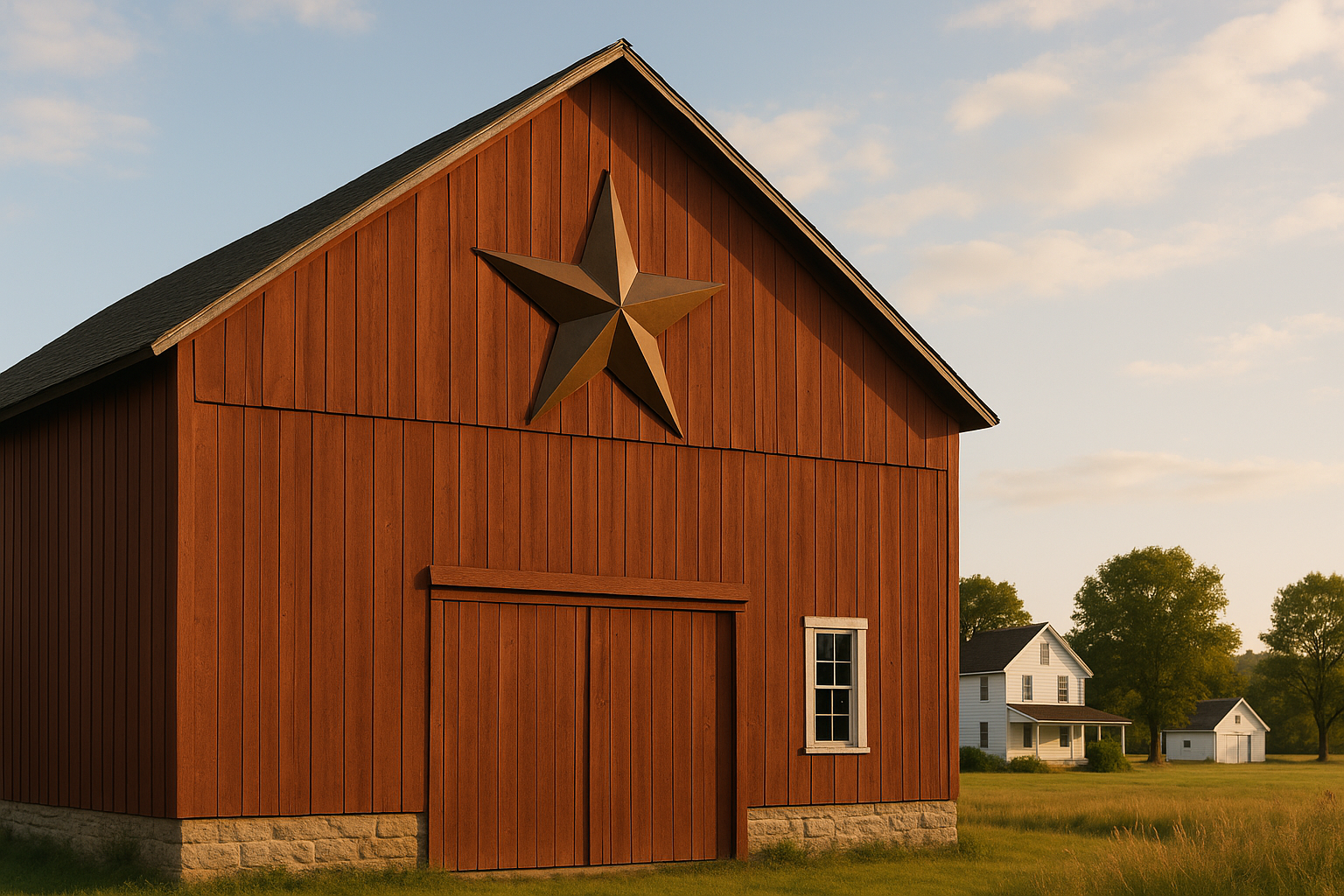
The star many people see on homes and barns is commonly called a barn star (sometimes “Amish barn star”). These are long-standing decorative pieces tied to rural American design—especially in regions influenced by the Pennsylvania Dutch.
Despite the name, “Pennsylvania Dutch” doesn’t mean they were from the Netherlands. The term is linked to “Deutsch,” reflecting their German heritage. These communities brought their craftsmanship, folk art, and symbolic traditions with them, and the star became a recognizable part of that visual history.
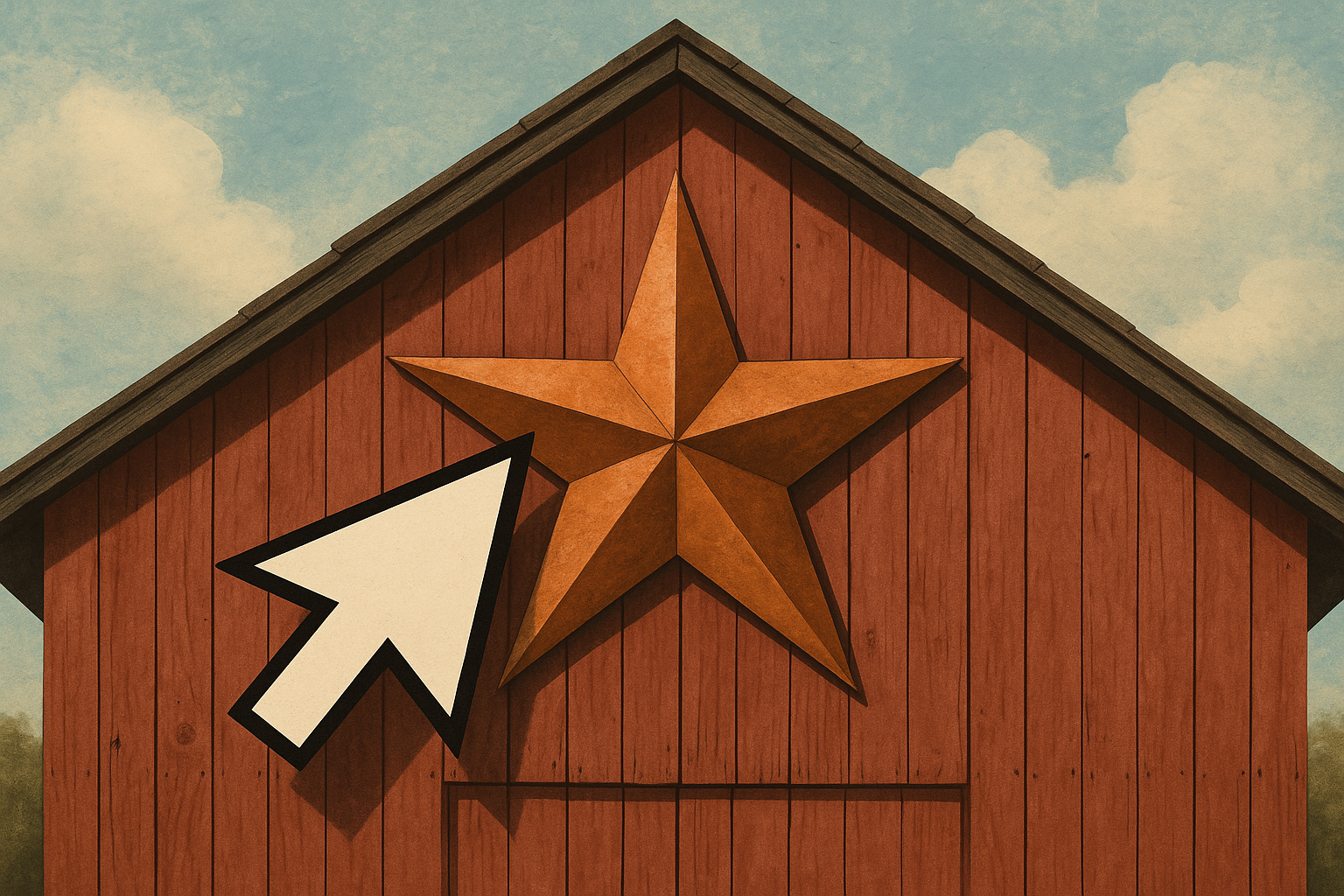
Barn stars were placed on barns, houses, and outbuildings because they were meant to be seen—openly. No code. No secret message.
What Barn Stars Traditionally Symbolize
Ask different families or local historians and you’ll hear slightly different interpretations, but they tend to revolve around the same themes:
- Good luck and positive fortune
- Protection over the home and property
- Prosperity and stability
- Pride in heritage and traditional craftsmanship
Some people also connect them to faith or blessings, while others simply see them as a classic piece of Americana.
Do Barn Star Colors Have Meanings?
Sometimes you’ll hear folklore about color symbolism—like black for protection or green for growth. Those ideas can be part of local tradition, but there’s no universal “official” chart that turns a star into a coded message.
Most of the time, the color choice is practical or aesthetic: what matched the barn, what was available, or what the homeowner liked.
Why the “Secret Signal” Theory Doesn’t Make Sense
Here’s the simplest way to evaluate the rumor: barn stars are mass-produced home decor. You can buy them in home improvement stores, craft shops, and online marketplaces as rustic wall art and outdoor accents.

If they were truly a private signal for a personal lifestyle, they wouldn’t be sold openly as mainstream farmhouse decor with zero consistent meaning attached.
Also, real-world private communities don’t typically rely on permanent, highly visible symbols on the front of a home—especially something easily misunderstood by neighbors, visitors, or kids. Private communication is private for a reason.
How Misinformation Turns Ordinary Decor Into “Drama”
This whole episode is a good reminder of how quickly misinformation spreads when it triggers curiosity, embarrassment, or shock. Social platforms reward posts that get reactions, not posts that get things right.
And when people don’t know the background of a symbol, it becomes easy for someone to invent a new meaning and present it with confidence.
The Bottom Line: A Star on a House Is Usually Just a Star
In most cases, that star is simply a traditional barn star—an old-school decoration rooted in American folk art, rural architecture, and the kind of home pride that’s been passed down for generations.
It’s not a hidden invitation. It’s not a coded message. It’s a piece of history that became popular because it’s familiar, sturdy, and meaningful in the most ordinary way: it makes a house feel like home.
CTA: Have you seen a barn star in your neighborhood—or have one on your own home? Share what you’ve heard it means (or why you chose it) in the comments, and pass this along to someone who still believes the rumor.