
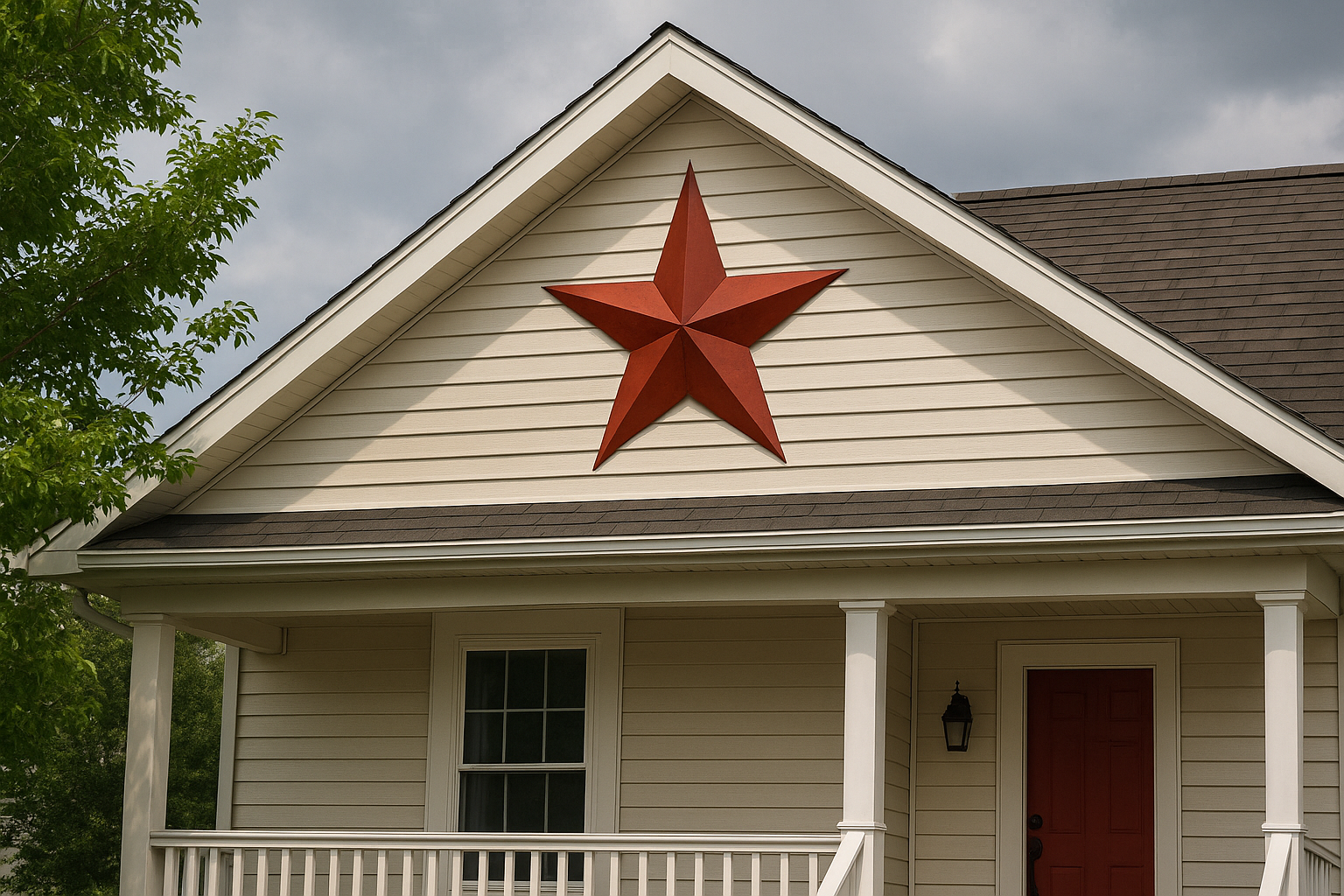
These Are “Barn Stars”—A Traditional American Home Decor Symbol
The metal stars you see on houses, barns, sheds, and fences are commonly called barn stars (sometimes “Amish barn stars”). They’ve been part of rural American architecture for generations, especially in regions influenced by the Pennsylvania Dutch.
Despite the name, the Pennsylvania Dutch aren’t Dutch in the modern sense. “Dutch” comes from Deutsch, reflecting the German heritage of many families who settled in Pennsylvania and nearby areas. Along with skilled craftsmanship and practical building traditions, these communities brought decorative symbols that became part of the local landscape.
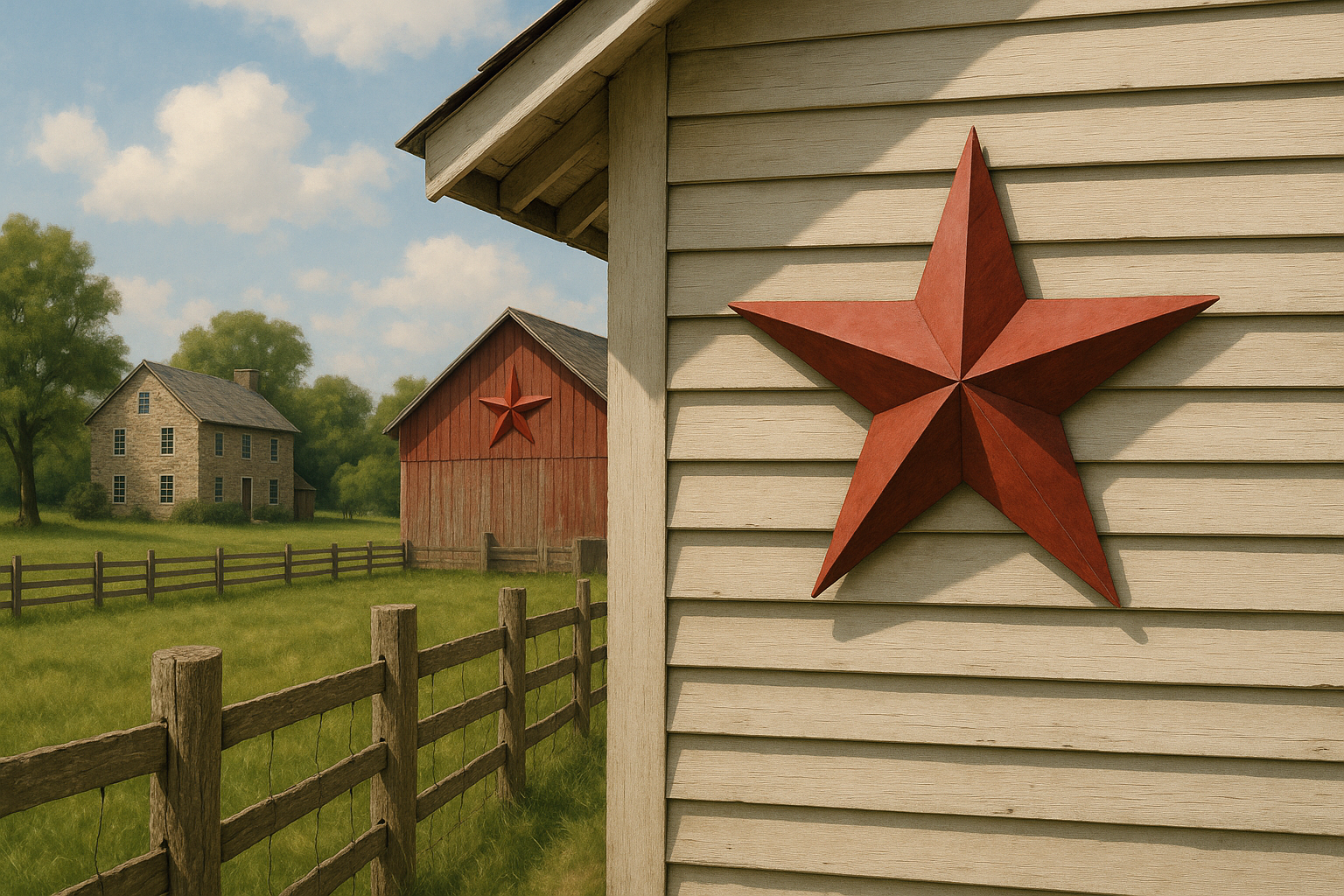
Barn stars were never meant to be hidden. They were designed to be seen—an exterior accent that added character to a home or outbuilding.
What Does a Barn Star Symbolize?
Ask ten people what a barn star “means,” and you may get a few variations—but they generally point in the same direction. Traditionally, barn stars have been associated with:
- Good luck and prosperity
- Protection over the home or farm
- Hope, stability, and blessing
- Pride in heritage and rural craftsmanship
In many cases, the meaning is simply personal: the homeowner likes the style, appreciates rustic design, or wants a classic piece of Americana on the exterior of the house.
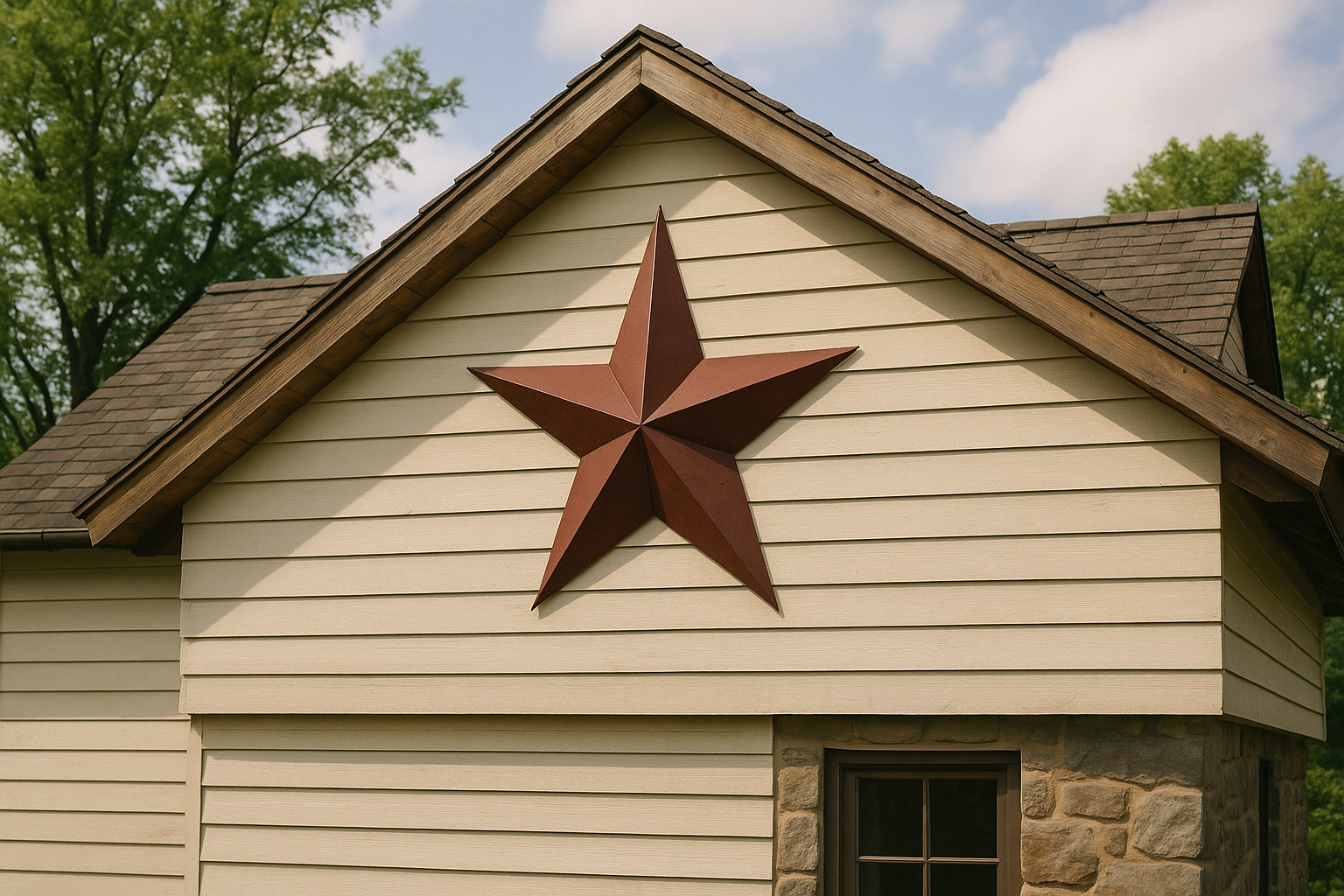
Do Barn Star Colors Have “Secret Codes”?
You’ll sometimes hear color folklore—like a black star meaning protection, green symbolizing growth, or brown representing strength and friendship. These interpretations can be part of local tradition, but they are not universal rules.
There’s no standardized system that turns barn stars into a coded message. Most people choose a color because it matches their home exterior design, complements shutters or trim, or fits their preferred farmhouse decor aesthetic.
Why the “Swinger Symbol” Rumor Doesn’t Hold Up
Beyond the lack of evidence, the rumor falls apart under basic logic:
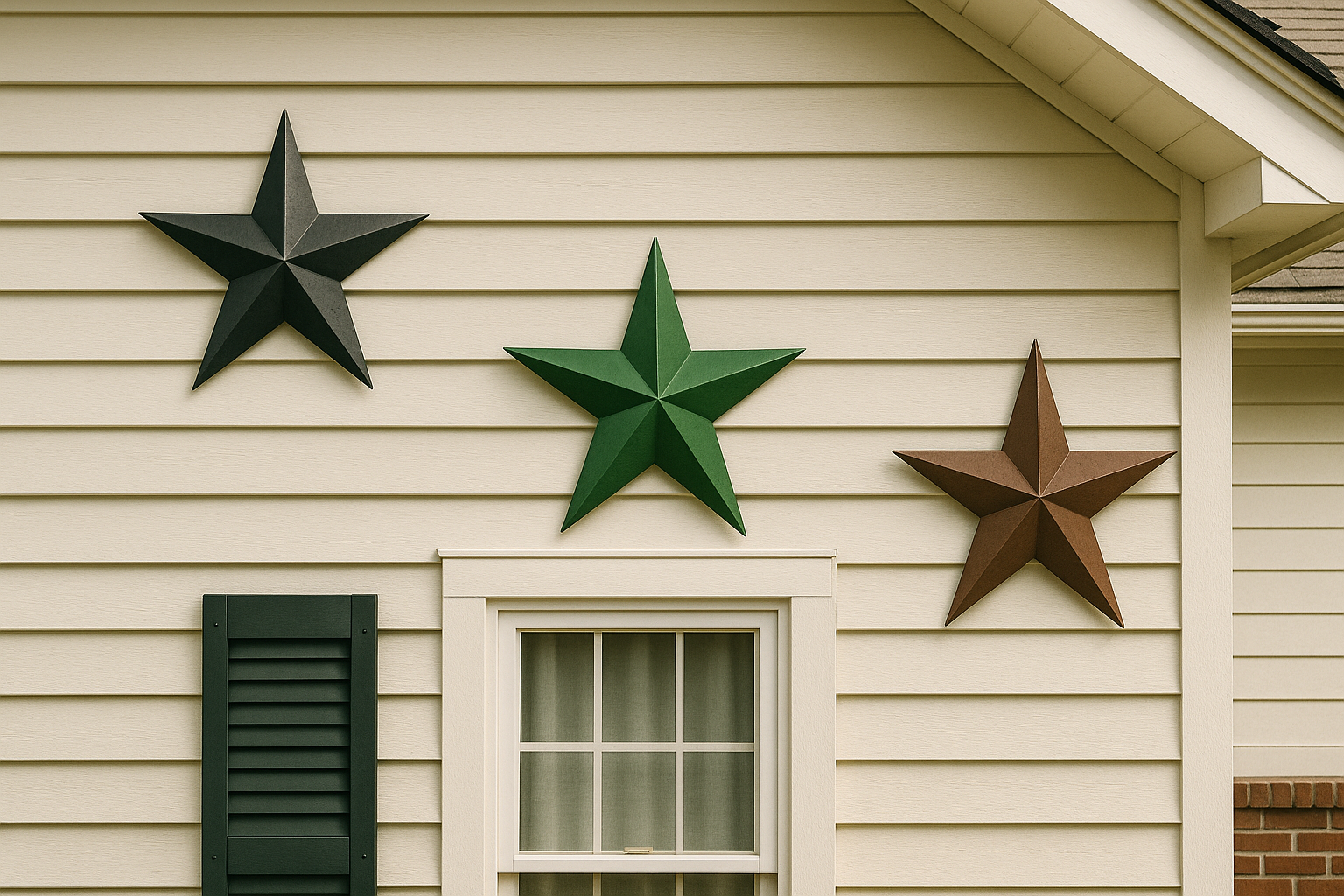
- Barn stars are mass-produced and sold openly in home goods stores, craft shops, and online marketplaces.
- If it were a private signal, it wouldn’t be one of the most common pieces of outdoor wall decor in America.
- Communities who value privacy don’t typically use permanent, highly visible markers on their homes that neighbors, kids, delivery drivers, and strangers can see.
In other words: a decorative metal star is not a secret invitation—it’s just a popular home accent with deep roots in American folk tradition.
How Misinformation Turns Ordinary Things Into “Hidden Meanings”
This episode is a perfect example of how social media can reward the most surprising version of a story instead of the most accurate one. When people don’t know the background of a symbol, it becomes easy for someone to attach a dramatic narrative to it.
But barn stars don’t need a scandal to be meaningful. Their real story—heritage, craftsmanship, and the desire to protect and bless the home—is more grounded and far more respectful to the communities that made them a tradition.
The Bottom Line: A Star on a House Usually Means Exactly What It Looks Like
Most of the time, a star on a house is simply classic rustic home decor: a nod to tradition, a symbol of good fortune, or a design choice that makes the exterior feel warm and welcoming. No secret agenda. No coded message.
Once you know the history, you can appreciate the barn star for what it really is—a lasting piece of American folk symbolism that has stood the test of time.
CTA: Have you seen barn stars where you live—or have one on your own home? Share what you’ve heard (or what it means to you) in the comments, and pass this along to someone who still believes the rumor.