
Why These “Personality Test” Images Feel So Addictive
The real trick isn’t the monkeys. It’s the way your brain processes visual information.
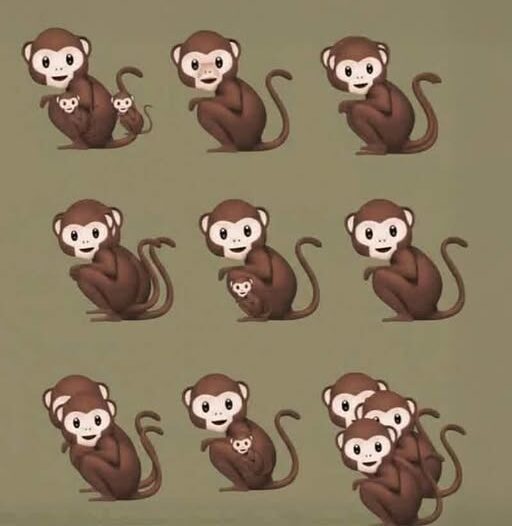
Some people scan the image, count the most obvious figures, and feel done in seconds. Others keep looking and suddenly notice extra shapes: monkeys hidden in outlines, overlapping patterns, or tiny details that blend into the background. What seemed straightforward turns into a mini puzzle.
That difference is normal—and it’s exactly why these images spread so fast. They tap into:
- Attention and focus (what your eyes lock onto first)
- Pattern recognition (your brain’s ability to spot familiar shapes)
- Perception (how you interpret what you’re seeing, not just what’s “there”)
- Mental shortcuts (quick assumptions your mind makes to save time)
In other words, you’re not just “seeing” an image—you’re interpreting it. Two people can look at the same picture and honestly walk away with different counts because they’re noticing different layers.
Does the Monkey Count Say Anything About Your Personality?
Not in the way the viral posts claim.
The idea that a specific number can label you as a narcissist (or any other personality type) is click-driven hype. It’s designed to trigger an emotional reaction, start arguments in the comments, and encourage sharing.
What the image can show is something much more practical: how quickly you spot details, whether you focus on the big picture first, and how willing you are to keep searching once you think you have the answer.
Those are everyday thinking habits—not personality diagnoses.
The Real Takeaway
If you saw only the obvious monkeys, that doesn’t mean you’re self-absorbed. If you spotted hidden ones, that doesn’t make you “better” or “smarter.” It simply highlights how differently people process the same visual information.
The headline is there for one reason: attention. The interesting part is how your mind responds once you’re hooked.
CTA: How many monkeys did you spot the first time—then after a second look? Share your number in the comments and tell us what you noticed that others might miss.