
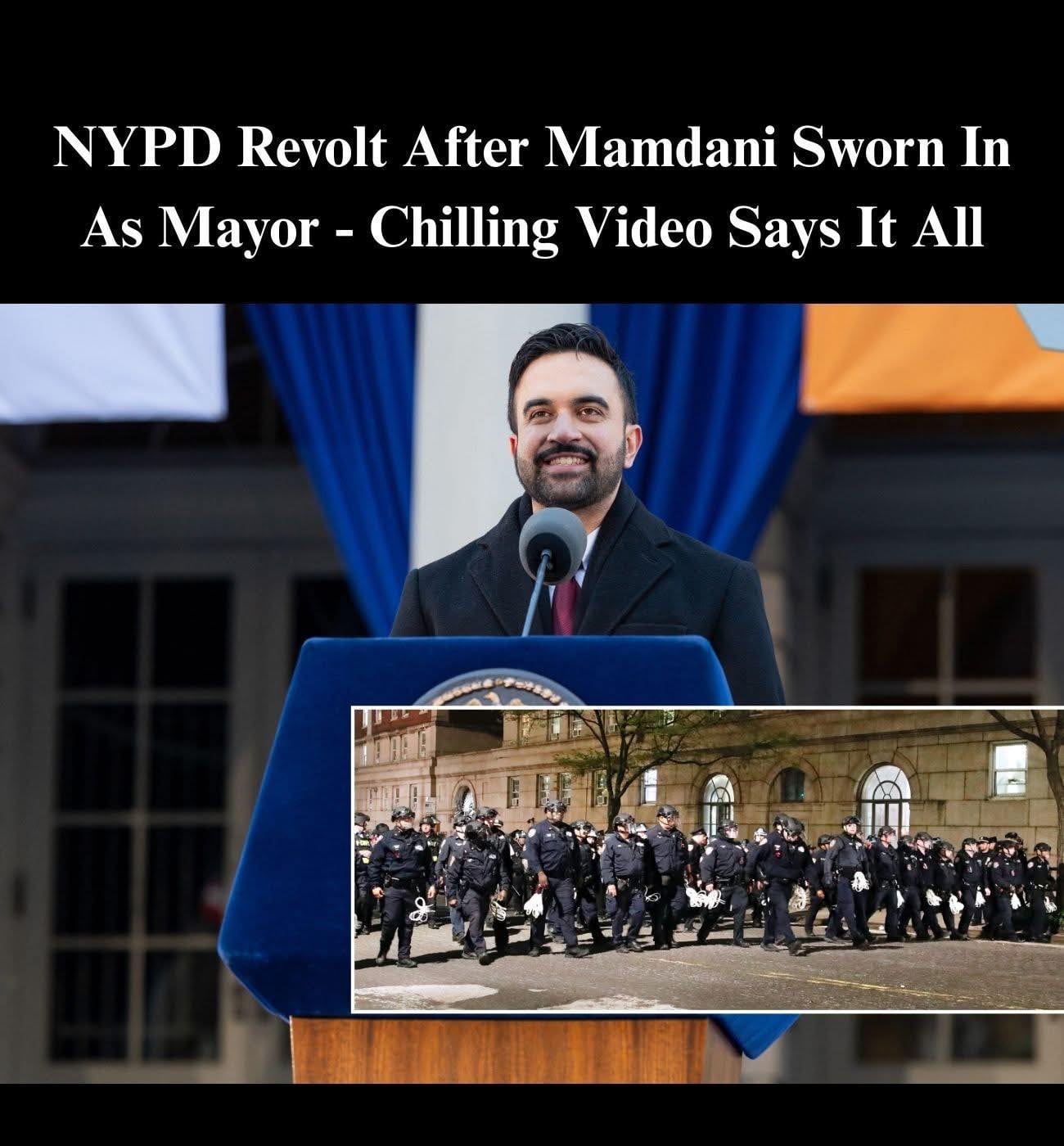
In today’s digital landscape, controversial images and incidents spread faster than the facts surrounding them. A single photograph, a brief video clip, or an isolated statement can ignite nationwide debate before anyone verifies what actually happened. This phenomenon isn’t just changing how we consume news—it’s fundamentally altering how we interpret reality itself.
The Speed Problem
Social media has compressed the timeline between incident and interpretation to almost nothing. What once took days or weeks for journalists to investigate and report now becomes a fully formed narrative within hours. The problem isn’t just speed—it’s that conclusions form before evidence can catch up.
Consider how modern controversies typically unfold. An image appears online. Within minutes, it’s being shared across platforms. Within an hour, political commentators are explaining what it means. By the end of the day, millions of people have formed opinions based on incomplete information. When the full story emerges days later, many never see the correction. The initial narrative has already cemented itself.
This acceleration changes the nature of truth itself. Facts become less important than interpretation. Context matters less than emotional reaction. The race to assign meaning overwhelms the patience required to establish what actually occurred.
Symbolic Warfare
We’ve entered an era where symbols carry more weight than substance. A gesture, an object, or a phrase torn from context can spark more outrage than carefully documented policy failures. Political factions have learned to weaponize this dynamic, knowing that symbolic controversies generate more engagement than complex issues.
The pattern repeats constantly. Something happens—often something ambiguous or unclear. Immediately, opposing sides claim it validates their existing worldview. Conservatives see evidence of societal breakdown and disrespect for authority. Progressives see manufactured outrage designed to criminalize dissent. Both sides use the same incident to confirm what they already believed.
This creates a strange situation where the actual event barely matters. The symbol becomes a projection screen where everyone sees their own fears reflected back. Nobody asks “What happened?” anymore. They ask “What does this prove about the other side?”
The Collapse of Shared Language
Perhaps the most troubling aspect of our current polarization is the erosion of shared meaning. Words and actions that once had relatively stable definitions now mean entirely different things depending on political allegiance.
“Protest” is either protected speech or dangerous provocation. “Law and order” represents either necessary stability or authoritarian control. “Safety” means protection from crime or protection from police. The same vocabulary produces opposite interpretations because we’ve lost agreement on basic definitions.
This isn’t just semantic disagreement—it’s the breakdown of communication itself. When the same words trigger completely different associations, productive dialogue becomes nearly impossible. People aren’t just disagreeing about solutions; they’re disagreeing about what the problems are, what words mean, and what reality looks like.
The Trust Deficit
Underlying all of this is a catastrophic collapse in institutional trust. Large portions of the population no longer believe what government officials, media outlets, or even academic institutions tell them. This creates a vacuum where conspiracy theories and partisan narratives flourish.
When trust disappears, interpretation becomes everything. People don’t evaluate claims based on evidence—they evaluate based on who’s making the claim and whether it aligns with their political identity. A statement from one source is treated as gospel truth while the identical statement from another source is dismissed as propaganda.
This selective trust means that even objective facts become political. COVID death statistics, election results, crime data, and economic indicators are all filtered through partisan lenses. People accept or reject information not based on accuracy but based on tribal affiliation.
The Algorithms That Divide Us
Social media platforms aren’t neutral conveyors of information—they’re engagement-maximizing machines that profit from controversy. Algorithms have learned that outrage drives clicks, shares, and comments more effectively than nuance or complexity.
This creates perverse incentives. Content that makes people angry travels farther and faster than content that makes them think. Headlines designed to provoke outperform headlines designed to inform. The most extreme voices get the most amplification because they generate the most engagement.
Platforms have essentially gamified polarization. Every controversial post becomes an opportunity for people to signal their tribal loyalty, attack the other side, and reinforce their own beliefs. The technology rewards the behavior that’s tearing society apart.
The Cost of Constant Conflict
Living in a state of perpetual political warfare takes a psychological toll. When every incident becomes a battle in an ongoing culture war, people experience constant stress and anxiety. The inability to escape political conflict—it’s in your social media feed, your family conversations, even your entertainment choices—creates exhaustion.
This fatigue has consequences. People become cynical, assuming bad faith in everyone who disagrees with them. They retreat into echo chambers where their views are never challenged. They disengage from civic participation entirely because the conflict feels too exhausting and pointless.
The irony is that this exhaustion serves the interests of those who benefit from polarization. Tired, cynical citizens are less likely to organize for change, demand accountability, or participate in democracy beyond performative social media posts.
Can We Find Our Way Back?
The path out of extreme polarization isn’t obvious, but certain principles might help:
Embrace uncertainty. The first reaction to any controversial incident should be “I need more information” rather than immediate certainty about what it means. Admitting you don’t know something isn’t weakness—it’s intellectual honesty.
Distinguish between symbols and substance. Ask whether a controversy involves actual policy, concrete harm, or measurable outcomes, or whether it’s primarily about symbolic offense. Both matter, but they matter differently and require different responses.
Seek out disconfirming information. Actively look for credible sources that challenge your initial interpretation. If you can’t articulate the strongest version of the opposing argument, you probably don’t understand the issue well enough to have a strong opinion.
Recognize manipulation. Both political sides employ professionals whose job is to amplify outrage and manufacture controversy. Learning to identify these tactics makes you less susceptible to them.
Prioritize relationships over being right. In personal interactions, maintaining relationships and understanding often matters more than winning arguments. The conversation with your uncle at Thanksgiving probably isn’t the place to fight ideological battles.
The Role of Media Literacy
Educational systems and individuals need to prioritize teaching critical consumption of information. This includes:
Understanding how algorithms work and what incentives drive social media platforms. Recognizing common manipulation techniques like selective editing, context removal, and emotional framing. Learning to verify sources before sharing content. Distinguishing between opinion, analysis, and reporting.
Media literacy isn’t about teaching people what to think—it’s about teaching them how to think critically about the information they encounter. An informed population is harder to manipulate and less likely to fall for symbolic controversies designed to distract from substantive issues.
The Responsibility of Leadership
Political and community leaders bear special responsibility in polarized times. They can either exploit division for short-term gain or work to rebuild trust and shared understanding. Unfortunately, the incentives often favor the former.
Leaders who resist the temptation to inflame tensions, who acknowledge complexity rather than offering simplistic narratives, and who extend good faith even to opponents model the behavior necessary for democratic society to function. These leaders rarely get the most attention, but they’re essential for maintaining social cohesion.
Moving Forward
The symbolic controversies that dominate our attention rarely resolve anything. They generate heat without light, conflict without resolution. They distract from substantive issues while convincing everyone that they’re engaged in important battles.
Breaking this cycle requires conscious effort from individuals, platforms, institutions, and leaders. It means resisting the temptation to immediately weaponize every incident for political advantage. It means prioritizing truth over tribal loyalty. It means rebuilding the capacity for nuanced thinking in a landscape designed to eliminate nuance.
Most importantly, it means recognizing that we have agency. We don’t have to participate in every manufactured controversy. We don’t have to let algorithms dictate what outrages us. We can choose to seek understanding over confirmation, complexity over simplicity, and truth over the comforting narratives that reinforce what we already believe.
The alternative—a society where symbols replace facts, where interpretation happens before investigation, and where every incident becomes ammunition in an endless culture war—leads nowhere good. We’ve seen where that path goes. The question is whether we have the wisdom and will to choose a different one.