
What the Numbers Mean
The AQI scale runs from 0 to 500:
0–50: Good
51–100: Moderate
101–150: Unhealthy for sensitive groups
151–200: Unhealthy for all
Prolonged exposure to elevated PM2.5 can worsen asthma, trigger coughing or shortness of breath, stress the heart, and cause long-term lung damage.
What’s Causing the Poor Air?
In Georgia and South Carolina, high pollution levels are driven by vehicle traffic, industrial emissions, and occasional controlled burns. Winter weather patterns — including temperature inversions and high-pressure systems — trap pollutants close to the ground, keeping haze thick over cities.
Valdosta faces similar challenges, where emissions combine with local geography to slow airflow. While seasonal pollen contributes to air quality concerns, PM2.5 remains the primary danger.
In Oregon, a lingering Air Stagnation Advisory covers central regions and the Willamette Valley. Light winds and high pressure are trapping smoke from residential wood burning, vehicle exhaust, and other emissions. The Oregon Department of Environmental Quality has issued an Air Quality Advisory through early Friday.
Additional Hazards in Oregon
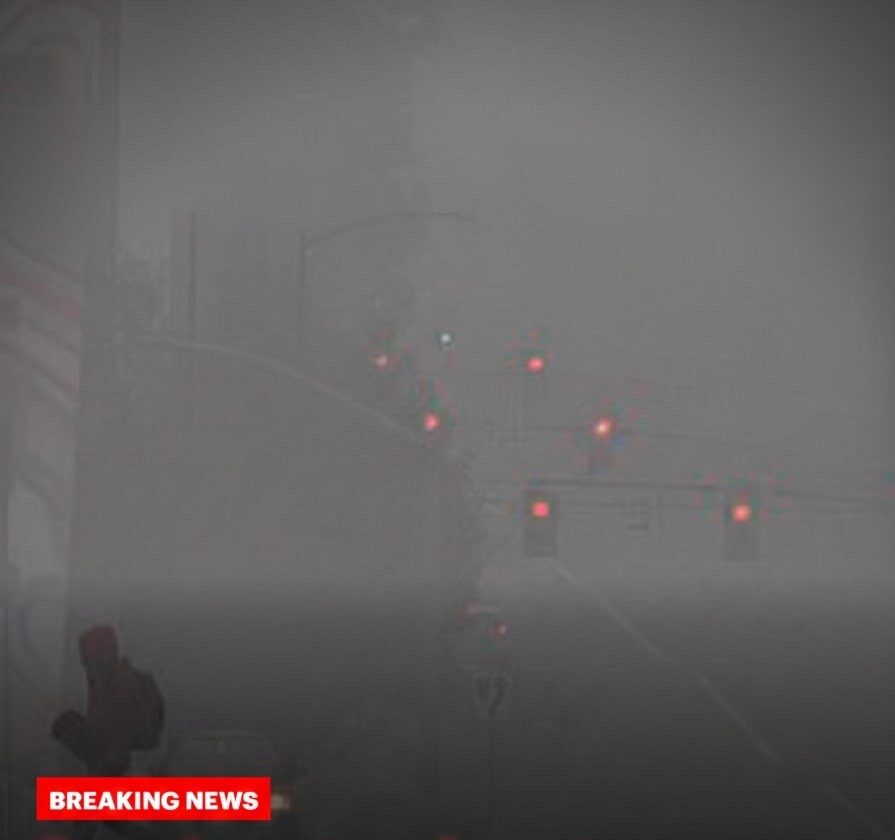
The National Weather Service has also issued freezing fog warnings in several counties, including Eugene, Corvallis, Albany, and Springfield. Visibility could drop to a quarter mile, and rime ice may create slick road conditions during morning commutes.
Other central, eastern, and northern Oregon areas, as well as parts of southeast Washington, are also under air alerts. Cities affected include Bend, Medford, Grants Pass, Klamath Falls, The Dalles, and Yakima.
Safety Tips
Officials strongly advise residents to:
Stay indoors whenever possible
Avoid strenuous outdoor activities
Limit wood burning and other residential emissions
Monitor local air quality updates
Drive cautiously in foggy or icy conditions
Sensitive groups — including children, older adults, and those with respiratory conditions — should take extra precautions.
Are you experiencing poor air quality in your area? Share how you’re staying safe and protecting your health in the comments below.