
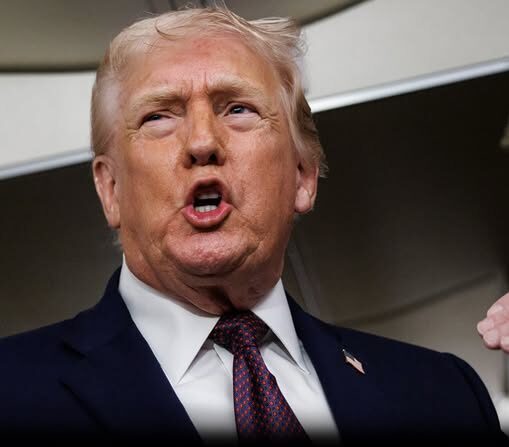
Those comments reflect long-standing political tensions. Bad Bunny has repeatedly used his platform to criticize U.S. immigration policy and speak out on social issues, positions that conflict directly with Trump’s agenda. Green Day, meanwhile, has spent decades blending music with political commentary, often targeting conservative leadership and Trump himself in lyrics and live performances. Their inclusion has placed the NFL squarely in the middle of an ongoing culture clash.
The league, however, has shown no signs of backing down. NFL leadership has defended the lineup as representative of the Super Bowl’s global reach and diverse audience. With Bad Bunny’s massive international following and Green Day’s iconic status, the league argues that the performers appeal to millions of fans, regardless of politics.
Public reaction has been sharply divided. Supporters of the artists have praised the NFL for embracing cultural expression, while critics argue the Super Bowl should remain a neutral, unifying event rather than a stage for performers with clear political identities. For many observers, the controversy reflects a larger reality: in today’s America, even sports entertainment rarely exists outside political context.
Trump’s relationship with the Super Bowl is short but significant. His appearance at last year’s game was widely seen as symbolic, particularly given the enthusiastic reception he received. Skipping this year’s event suggests a shift—whether personal, political, or strategic—signaling that the president is unwilling to participate in an atmosphere he views as openly hostile.
As Super Bowl Sunday approaches, attention will naturally turn to the field, where the New England Patriots and Seattle Seahawks will battle for the Vince Lombardi Trophy before a massive global audience. Still, the absence of a sitting president will linger as part of the story, underscoring how deeply cultural and political divisions now intersect with even the country’s most iconic sporting event.
In the end, Trump’s decision ensures that, even without attending, he remains part of the conversation—highlighting once again how the Super Bowl has become more than a game, and increasingly, a reflection of the nation itself.
Do you think the Super Bowl should stay politically neutral, or is cultural debate unavoidable at this scale? Share your thoughts in the comments.