
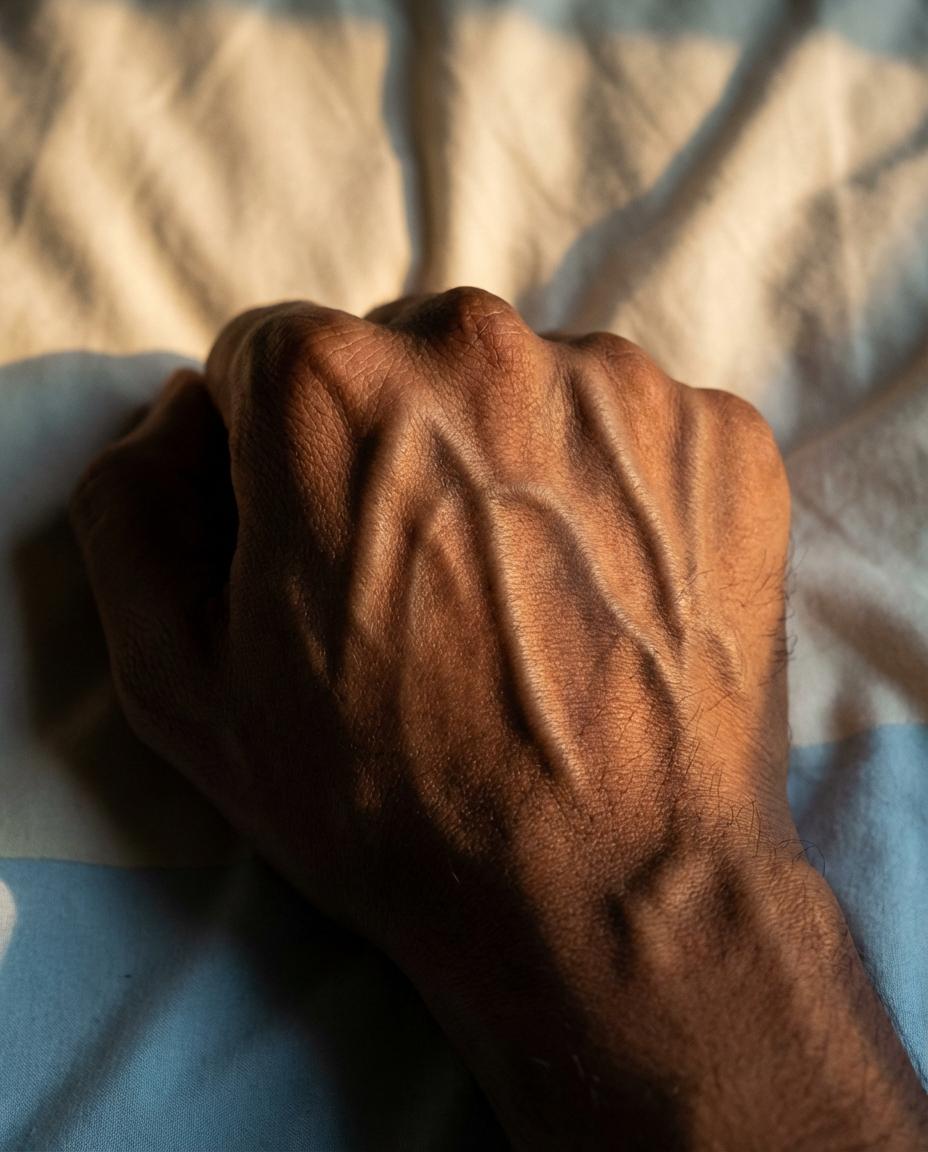
Aging & genetics: Thinner skin or lower body fat can make veins easier to see.
Other factors: Sun exposure and tight clothing can also affect visibility.
When veins may need attention:
Veins that appear swollen, twisted, or uncomfortable—especially in the legs—may indicate varicose veins. This happens when vein valves don’t push blood efficiently, causing pooling. Symptoms can include aching, heaviness, mild swelling, or tired legs. While often not dangerous, persistent or worsening discomfort should be checked by a healthcare professional.
Tips to support vein health:
Stay active and take breaks from sitting or standing for long periods.
Elevate legs when resting.
Maintain a healthy weight and stay hydrated.
Consider compression socks if recommended by a doctor.
Seek medical advice if you notice sudden pain, swelling, warmth, color changes, or irritation near a vein. Most visible veins are a normal part of life—but paying attention keeps you comfortable and confident.