
Attraction is often described as something permanent — a fixed part of who we are that, once understood, never changes. But for many people, attraction is far more dynamic. Feelings can shift, fade, return, or transform entirely over time. This experience, while more common than many realize, has a name: abrosexuality.
Though the term is still unfamiliar to some, it has become an essential source of clarity and validation for those whose sexual attraction changes over time. For people living this reality, discovering the right language can be life-changing.
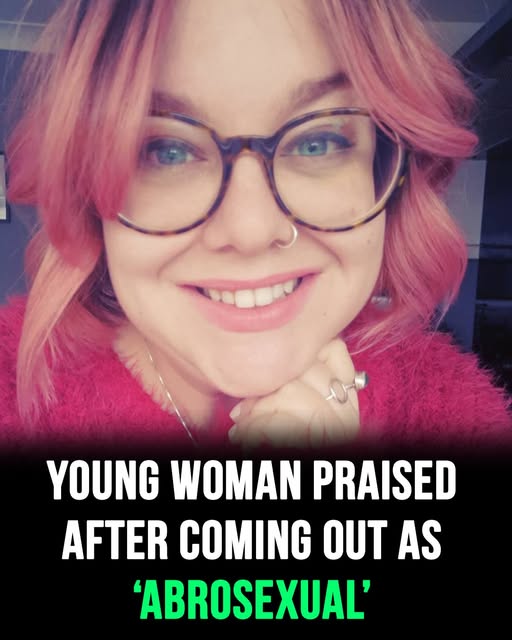
One such story comes from writer Emma Flint, who publicly shared her deeply personal experience after more than three decades of self-reflection. Her journey toward understanding her sexual identity took nearly 30 years and was shaped by confusion, self-doubt, and constant pressure to define herself within rigid social categories.
A Long Search for Identity
For much of her life, Flint felt as though she was expected to choose a single, fixed sexual orientation — something that never quite aligned with her lived experience. By her early thirties, she reflected on years spent adopting different identity labels, each one feeling accurate for a time before eventually no longer fitting.
For a significant period, she identified as a lesbian. During those years, her attraction toward women felt clear and consistent. But over time, that certainty shifted. She experienced phases where she felt drawn to men, followed by periods where she felt little to no sexual attraction at all. Weeks or months later, those feelings would change again.
This ongoing fluctuation led Flint to question herself rather than her framework. She worried she was being inconsistent or misleading others, when in reality, her internal experience was simply evolving.
“I felt adrift,” she explained, describing the emotional impact of never being able to fully settle into one identity. It wasn’t indecision — it was fluidity.
Discovering the Term “Abrosexual”
Everything changed when Flint encountered the word abrosexual in an online discussion. For the first time, her experiences made sense. The label didn’t force her into a box — it described the movement itself.
Abrosexuality refers to sexual orientation fluidity, meaning a person’s attraction can change over time. Unlike bisexuality or pansexuality, which describe attraction to multiple genders, abrosexuality focuses on the shifting nature of attraction. An abrosexual person may experience periods of attraction to different genders or none at all, with these phases changing over weeks, months, or years.
For Flint, the term offered relief. She wasn’t confused or broken — she finally had a framework that matched her reality.
What Abrosexuality Can Look Like
There is no single way to be abrosexual. For some people, changes in attraction happen frequently, even daily. For others, each phase can last months or years before transitioning into another. Some experience stretches of asexuality or low sexual desire before attraction returns in a different form.
This diversity is part of what makes abrosexuality difficult for some to understand. Without a predictable pattern, outsiders may struggle to accept it as a valid sexual identity. However, experts in mental health and LGBTQ+ advocacy emphasize that fluidity is a natural part of human sexuality for many individuals.
Social Pressure and Misunderstanding
One of the biggest challenges Flint faced wasn’t internal confusion — it was external expectation. Even after explaining her experience, she encountered people who wanted a simple, permanent answer. Being asked to “choose one label” made her feel unseen.
This discomfort with ambiguity often leads people to dismiss fluid identities as temporary, trendy, or indecisive. Flint strongly disagrees. She believes that personal growth includes learning new things about oneself, and changing does not invalidate past truths.
Sexual identity, she argues, doesn’t have to be static to be real.
Why Language and Visibility Matter
For decades, Flint believed something was wrong with her because she didn’t fit neatly into predefined categories. Finding the word “abrosexual” allowed her to replace shame with understanding and isolation with community.
This kind of visibility plays a crucial role in mental health and self-acceptance. Many people may struggle for years simply because they lack the vocabulary to describe their inner experiences. When language evolves, it opens doors to validation, connection, and healing.
Redefining Identity on One’s Own Terms
Flint’s story reflects a larger cultural shift toward recognizing the full spectrum of human attraction. As society becomes more open to nuanced identities, more individuals feel empowered to share their stories without fear of dismissal.
Rather than focusing on labels alone, Flint emphasizes meaningful connections and emotional authenticity. Her attraction may change, but her ability to form deep relationships remains constant.
By sharing her experience, she hopes to help others feel less alone — and to move abrosexuality out of the realm of misunderstanding and into one of respect and recognition.
A Journey Toward Self-Acceptance
At its core, self-acceptance often begins with having the right words. For those whose attraction doesn’t stay fixed, abrosexuality offers clarity, comfort, and belonging.
Attraction doesn’t follow a single path for everyone. For some, it shifts like the tide — and that journey is no less valid. As awareness grows, the goal is simple: for every person to feel seen, understood, and at peace with who they are, exactly as they are in that moment.