
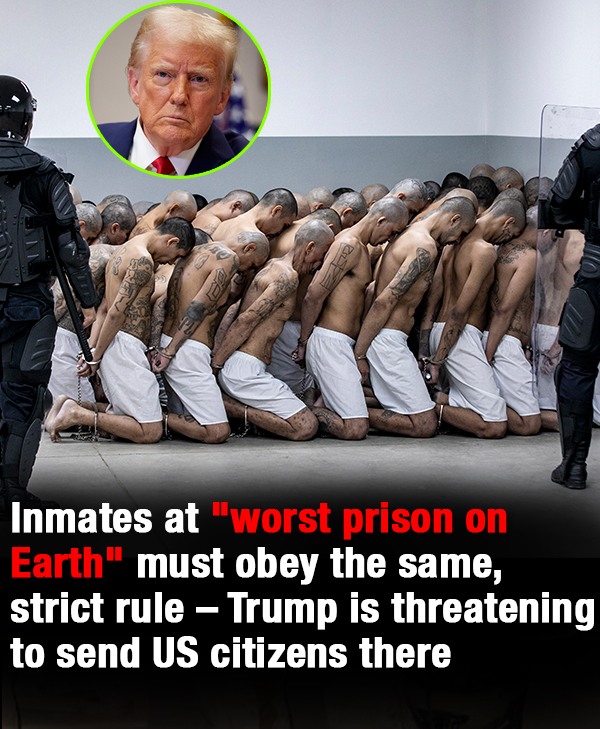
Trump Floats Sending Americans to El Salvador’s CECOT Prison—Inside the World’s Toughest Lockup and Its One Non‑Negotiable Rule
El Salvador’s Centro de Confinamiento del Terrorismo (CECOT) has become one of the most talked-about facilities in the world—part prison, part political symbol, and part warning sign in the ongoing argument over public safety, criminal justice reform, and human rights. Built during the country’s sweeping crackdown on violent gangs, CECOT is a massive high-security complex designed to hold thousands of inmates accused of gang involvement.
From the outside, it looks like a modern fortress: concrete, steel, guard towers, and advanced surveillance that leaves little room for error. Supporters call it a necessary response to organized crime. Critics call it a troubling model of what happens when governments prioritize security over due process.
What Life Inside CECOT Is Really Like
CECOT’s reputation isn’t based on size alone—it’s based on the extreme level of control imposed on inmates. Reports and official footage have helped shape a picture of a facility where daily life is stripped down to the bare minimum.
- Restricted movement with limited time outside the cell
- Constant monitoring and rigid schedules
- Minimal personal freedom and heavily regulated routines
- Limited access to services and outside communication
To supporters of the policy, the harsh conditions are the point: the prison is meant to neutralize gang command structures and stop criminal networks from operating behind bars. To critics, the same conditions raise red flags about humane treatment and legal protections.