
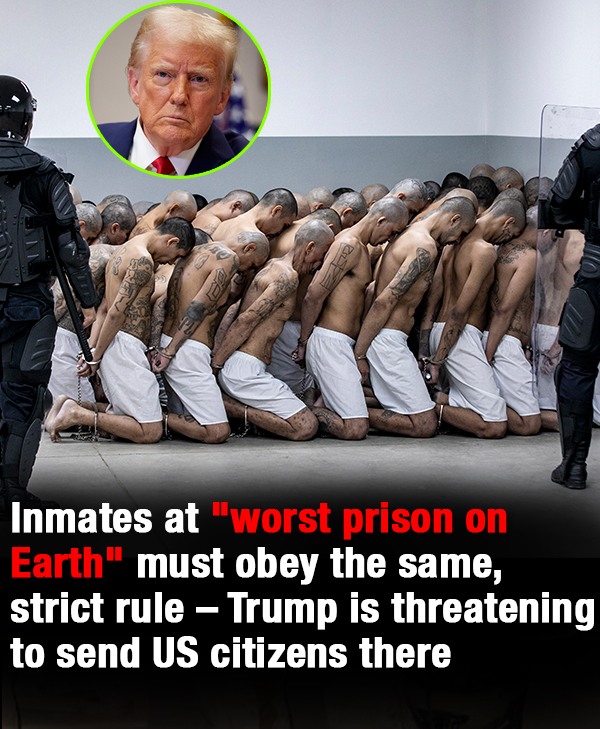
The One Rule Inmates Must Follow: Total Submission
CECOT operates on one core expectation that defines everything inside: absolute compliance with guard authority. In practical terms, that means inmates are expected to follow instructions immediately—how they move, when they stand, when they sit, and how they respond during transfers or inspections.
The intention behind this approach is clear: officials want to break the influence gangs once held in neighborhoods and prisons by replacing it with strict state control. Whether you see that as effective deterrence or excessive force depends on where you stand in the larger debate.
Why El Salvador Built CECOT in the First Place
CECOT didn’t appear in a vacuum. It was built during a nationwide security push that expanded police powers and enabled mass arrests of suspected gang affiliates. The government credits this strategy with a steep drop in violent crime, including a dramatic reduction in homicide rates.
For many residents, the change has felt immediate: fewer threats, fewer extortion demands, and a stronger sense of safety in areas once controlled by gangs. Businesses have reported operating with less intimidation, and families in some communities say daily life feels more normal than it has in years.
The Controversy: Due Process, Wrongful Detention, and Civil Liberties
At the same time, international observers and human rights groups have raised serious concerns. The biggest issue is due process—whether everyone detained has received a fair legal pathway to challenge accusations.
Critics argue that large-scale detention policies can sweep up the wrong people, especially when evidence standards are unclear or when legal systems are overwhelmed. That creates a painful risk: innocent individuals losing years of their lives in a system designed for maximum containment, not rehabilitation.
This is where CECOT becomes more than a prison. It becomes a test case for a global question: How much freedom should a society trade for security?
Trump’s Comments Bring the Debate to the United States
The discussion intensified when former U.S. President Donald Trump referenced CECOT in political messaging, suggesting that certain Americans could be sent to the facility. Regardless of how realistic such a scenario is under U.S. law, the rhetoric alone sparked backlash and anxiety.
Legal scholars and civil liberties advocates warn that normalizing the idea of exporting citizens to ultra-harsh detention systems—especially ones criticized for limited legal safeguards—collides with core constitutional principles. For many Americans, it also raises a broader fear: that extreme “tough-on-crime” models could be used to justify weakening protections at home.
The Bigger Picture: Safety vs. Rights
CECOT now sits at the center of a worldwide argument about crime prevention, national security policy, and human dignity. Supporters see it as proof that decisive enforcement can restore order when violence spirals out of control. Opponents see it as a cautionary tale—because once a government expands power in the name of safety, it can be difficult to draw the line later.
In the end, the question isn’t only about one prison in El Salvador. It’s about what kind of justice systems modern societies want to build: ones focused purely on control, or ones that balance enforcement with transparent courts, fair trials, and civil liberties.
What do you think—does CECOT represent effective crime control, or a dangerous precedent? Share your take in the comments, and if you want more updates on global justice policy and high-profile political debates, bookmark this page and check back soon.