
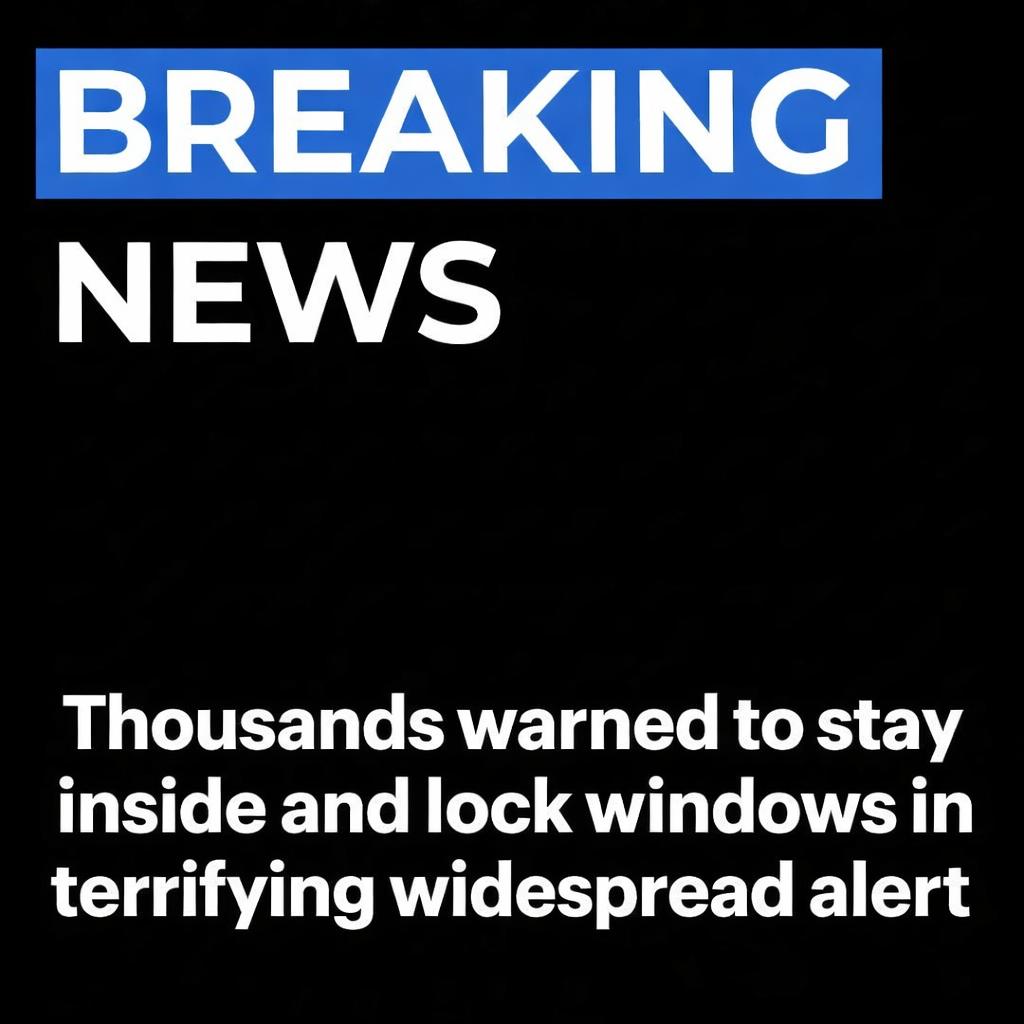
- Short-term symptoms like coughing, throat irritation, headaches, and shortness of breath
- Worsened asthma and increased respiratory flare-ups
- Higher cardiovascular strain, especially for people with heart conditions
- Greater risk for vulnerable groups, including children and older adults
Even when the air “doesn’t look that bad,” PM2.5 can still be high—making it an invisible threat that many people don’t recognize until symptoms start.
Why Air Quality Dropped So Quickly in the Desert Southwest
The Southwest is familiar with dust, but recent events show how a combination of factors can push pollution into a public health emergency. In many cases, the spike is driven by a mix of:
- Dust storms and strong winds that lift fine particles into the air
- Dry conditions and drought that leave soil loose and easier to carry
- Regional emissions from traffic, industrial activity, and other sources that can add to the pollution load
- Weather patterns that trap dirty air close to the ground (including temperature inversions in basin-like areas)
When these elements line up, air pollution doesn’t disperse—it lingers. That’s when air quality index (AQI) readings can jump from moderate to hazardous in a short time.
Who’s Most at Risk During an AQI Spike
During severe air quality events, everyone can be affected—but some people face higher risk of complications and emergency care needs:
- Children, because their lungs are still developing and they breathe more air relative to body size
- Older adults, especially those with underlying heart or lung issues
- People with asthma, COPD, or cardiovascular disease
- Outdoor workers who can’t easily avoid exposure
Hospitals and clinics often prepare for an increase in respiratory visits during these spikes, including asthma attacks, breathing distress, and related complications.
How Communities Responded: From Air Filters to Real-Time Alerts
When air turns hazardous, daily life changes immediately. Schools keep kids indoors. Outdoor sports and events get canceled. Families shut windows, run HVAC systems carefully, and look for ways to make indoor air cleaner.
In many places, hardware stores see a rush on HEPA air purifiers and replacement filters. Community groups share updates on local AQI readings, mask availability, and safer indoor spaces—proof that fast information and neighbor-to-neighbor communication can reduce risk when conditions shift without warning.
A Wake-Up Call for Air Quality Awareness and Preparedness
This crisis highlighted a tough reality: air quality can become dangerous even when the day starts out looking perfectly fine. While no one can control wind patterns or sudden dust events, communities can improve preparedness through better monitoring, clearer public alerts, and practical household planning.
Checking AQI before outdoor activities, understanding what PM2.5 means, and having a plan for high-smoke or high-dust days can make a real difference—especially for families with children, seniors, or anyone with breathing conditions.
Quick Reminder (General Safety Tips)
- Check local AQI forecasts and limit outdoor time when levels are unhealthy
- Consider a well-fitted high-filtration mask if you must be outside
- Keep indoor air cleaner with HEPA filtration when possible
- Follow guidance from local health agencies and officials
This article is for informational purposes only and does not replace medical advice. If you have severe symptoms, contact a healthcare professional.
Closing Thoughts
The air we breathe may be invisible, but its impact is not. As the Southwest faces more extreme weather swings and pollution challenges, staying informed isn’t optional—it’s protection.
Have you experienced poor air quality where you live? Share what you noticed and what helped your household stay safe—and if you want more updates like this, follow along and check back for the latest regional air quality stories.