
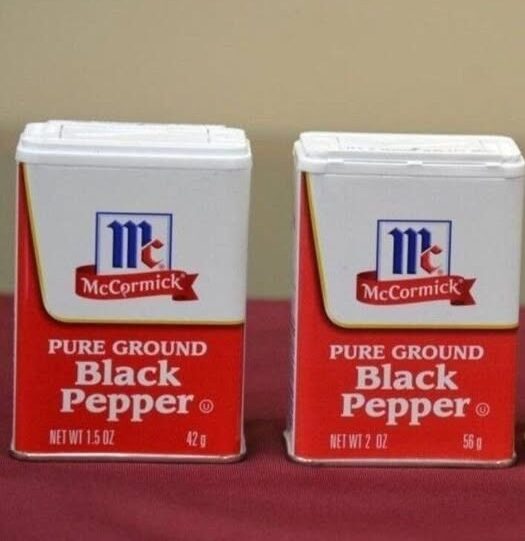
For consumers, the concern goes beyond price. Many people instinctively associate larger-looking packages with better value, particularly for routine items like spices. In a quick shopping trip, visual cues often overpower fine-print details, shaping choices without conscious deliberation.
McCormick has responded by stating that its labeling meets all regulatory requirements and that net weight is clearly disclosed. Critics counter that companies understand how real people shop—quickly, visually, and with limited attention—and that packaging decisions are rarely accidental. Similar arguments have surfaced in class-action lawsuits across the grocery industry, challenging where efficiency ends and deception begins.
Beyond the courtroom, the dispute highlights a deeper issue: trust. Brands thrive not just on legal compliance, but on long-term credibility. Even technically lawful changes can damage that relationship if customers feel misled rather than informed.
In the end, the McCormick–Watkins case isn’t really about pepper. It’s about perception, transparency, and the unspoken signals that guide consumer behavior. It raises an important question for modern retail: is honesty defined only by what’s printed on a label, or also by what packaging implies at first glance?
Have you ever noticed a product shrink without looking smaller? Share your thoughts in the comments and join the conversation.