
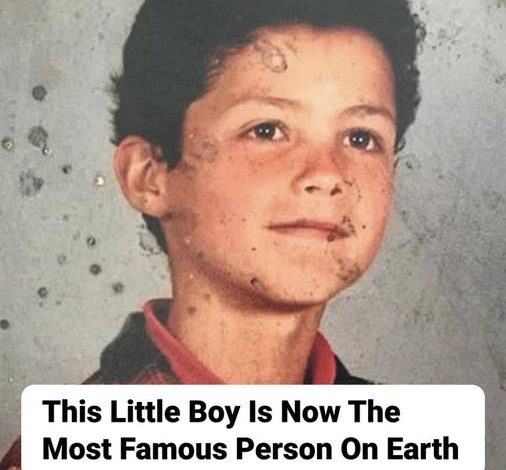
Cristiano Ronaldo: From a Tough Childhood in Madeira to a Global Football Icon
The dramatic cliffs of Madeira—remote, rugged, and far from the bright lights of Europe’s biggest stadiums—don’t look like the starting point for a man who would become one of the most recognized athletes in history. Yet that’s exactly where Cristiano Ronaldo’s story began. Long before luxury sponsorships, record-breaking contracts, and worldwide fame, there was a small home, a modest neighborhood in Funchal, and a boy who learned early that nothing would be handed to him.
Today, when old childhood photos resurface online, they feel almost unreal beside the image fans know now: the elite goal scorer, the disciplined professional, the face of a global sports brand. But those early years—marked by financial pressure, sacrifice, and relentless drive—help explain how Ronaldo became a symbol of performance, ambition, and longevity at the highest level.
Growing Up With Pressure, Not Privilege
Cristiano Ronaldo dos Santos Aveiro was born on February 5, 1985, the youngest of four children. His family didn’t have the kind of security many young athletes rely on. Money was tight, opportunities were limited, and the household carried heavy emotional weight. Ronaldo has spoken openly over the years about the difficulties surrounding his father, José Dinis Aveiro, including struggles that affected family life. His father passed away before he could fully witness the scale of Ronaldo’s rise—something that has remained a deeply personal part of the footballer’s motivation.
In many ways, Ronaldo’s early environment built the mindset the world later admired: focus, intensity, and a refusal to accept limits.