
Why Ports May Refuse a Ship During a Disease Outbreak
When a vessel requests entry during a potential outbreak, ports typically weigh multiple risks: local hospital capacity, quarantine facilities, legal liability, and public safety. Even when there’s compassion for passengers, authorities may hesitate without clear testing results, medical documentation, or a coordinated plan for controlled disembarkation.
That hesitation can create a dangerous stalemate—especially when the ship’s onboard clinic is not designed to function like a full hospital. The longer a ship remains offshore, the more urgent the situation becomes, from both a public health and humanitarian standpoint.
The Mental Toll of Being Stranded at Sea
Beyond the medical fear, many passengers are battling something harder to measure: the psychological stress of confinement. A cruise that once felt like freedom can quickly feel like isolation. People wait for updates that may not come, and when they do, they’re often limited by what officials can confirm.
Travelers onboard include elderly guests, couples celebrating milestones, and crew members who are far from their families and working under intense pressure. For many, the hardest part is the lack of certainty—no clear timeline, no clear port, and no clear answer on what happens next.
A Passenger’s Perspective Brings the Crisis Into Focus
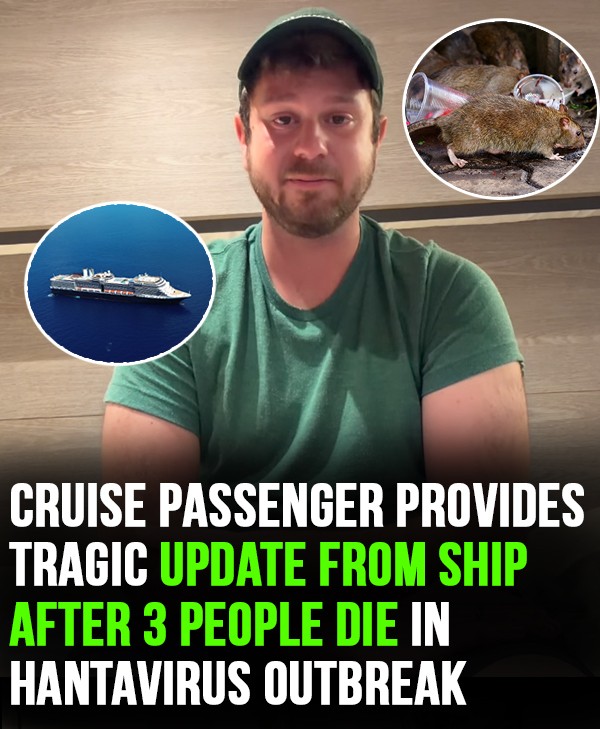
One passenger, Jake Rosmarin, has shared updates describing a tense atmosphere where routine sounds feel ominous and normal cruise life has been replaced by constant vigilance. Accounts like his put a human face on the story: this isn’t just a headline, it’s people worrying about their health, their families, and whether help will arrive in time.
Behind every number is a real life on pause—jobs waiting back home, children and spouses expecting a call, and loved ones watching for any scrap of reliable information.
Families on Shore Are Desperate for Updates
While passengers face uncertainty onboard, families at home face a different kind of distress: waiting. Many are frustrated by delayed details, unclear statements, and the slow pace of international coordination. In emergencies like this, communication can become fragmented between a cruise company, local governments, and health agencies—leaving relatives feeling helpless.
Even when officials are working behind the scenes, the silence can feel unbearable. For families, every hour without confirmation feels like a day.
Limited Medical Resources Raise the Stakes
Cruise ships typically have medical teams and clinics, but they are not fully equipped for large-scale outbreaks or intensive treatment needs. If more passengers develop symptoms, the ship may face rising pressure related to staffing, supplies, and the ability to provide advanced care.
As time passes, basic necessities also become a concern—everything from medication refills to protective equipment and sanitation supplies. In these scenarios, a coordinated evacuation plan or controlled docking procedure can be the difference between containment and escalation.
A Wake-Up Call for Global Travel and Health Security
This incident underscores a larger reality: global tourism depends on global cooperation. When a health emergency unfolds in international waters, the solution requires fast coordination between port authorities, health experts, and governments—along with transparent communication to the public.
For the people onboard, the goal is simple: safe medical evaluation, humane treatment, and a clear path home.
Closing CTA
If you were on that ship, what would you want authorities and the cruise line to do first—immediate docking, offshore medical support, or evacuation? Share your thoughts in the comments, and follow for updates on major travel and public health developments.