
Who Is Onboard the MV Hondius?
The ship departed Ushuaia on April 1 for an itinerary designed for remote exploration. The planned route included stops such as:
- Antarctica
- South Georgia
- Tristan da Cunha
- Saint Helena
- Ascension Island
That same isolation—usually the selling point of an expedition cruise—can become a major complication during a medical emergency. Reports indicate there are 147 people onboard, including 88 passengers and 59 crew members, representing 23 nationalities. Everyone is now subject to containment measures while authorities coordinate next steps.
What Is Hantavirus, and Why Is It Concerning?
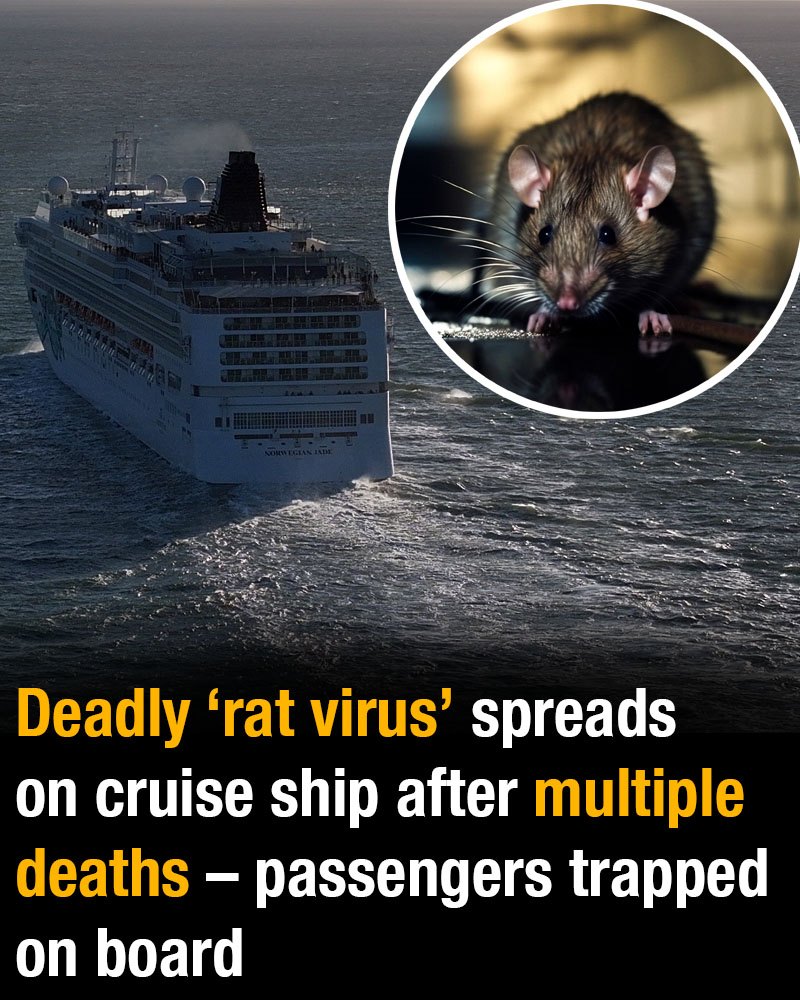
Hantavirus is a potentially life-threatening illness typically associated with exposure to infected rodents—most commonly through contact with contaminated urine, droppings, or saliva. In some cases, the virus can lead to severe respiratory complications.
Health authorities are paying close attention because hantavirus is generally considered rarely transmitted between people. That has led to intensified scrutiny of how exposures may have occurred onboard, including whether the illness stems from an environmental source or an unusual transmission pattern in a confined setting.
Reported Fatalities and a Medical Evacuation
The earliest reported deaths involved a Dutch couple, whose names have not been publicly released. A third reported fatality involved a passenger described as a German national.
In addition, a British passenger reportedly required urgent evacuation and was airlifted to a medical facility in South Africa, where they remain in critical condition.
Why the Ship Isn’t Docking
Authorities in Cape Verde have reportedly not allowed passengers or crew to disembark, a decision consistent with standard quarantine and border health controls used to reduce the risk of introducing a serious infectious disease onshore.
Meanwhile, coordination is underway between local officials, medical teams, and international partners to manage:
- Testing and case monitoring
- Isolation procedures onboard
- Medical supply planning
- Possible future evacuations
On a cruise ship, even strong protocols can be challenging. Shared ventilation areas, narrow corridors, and communal spaces make infection control more complex—especially when fear and uncertainty are running high.
Investigators Focus on Possible Exposure Sources
A key part of the ongoing response is identifying how the virus may have been introduced. Investigators are reportedly exploring multiple possibilities, including:
- A rodent exposure linked to stored supplies or cargo before departure
- Contact during shore landings in remote environments
- Unrecognized contamination in a confined onboard area
Determining the source matters not only for the people onboard, but also for future travel safety measures across the expedition cruise industry.
A Growing Mental and Logistical Strain
Beyond the medical urgency, prolonged quarantine at sea can take a serious psychological toll. Cabin confinement, disrupted communication, and the constant worry of symptoms can quickly turn an adventure trip into a stressful waiting game.
For now, the MV Hondius remains offshore as the situation develops and authorities work toward a solution that protects both passengers and the wider public.
Stay informed: If you want updates on cruise travel safety, outbreak protocols, and how expedition operators handle medical emergencies, bookmark this page and share your thoughts in the comments—would you still take a remote expedition cruise after hearing stories like this?